Afghanistan's Flag Kept Being Rewritten. Andorra's Settled a Negotiation.
Every national flag is a compressed argument about history and identity, and the arguments differ enormously depending on who was making them and when...
The history and design of the world’s flags, written up at length.
Page 8 of 11
Showing 169–192 of 246

Every national flag is a compressed argument about history and identity, and the arguments differ enormously depending on who was making them and when...

Why animals ended up on flags at all Animals on national symbols are rarely chosen for looks. They come out of heraldry, the older business of coats o...

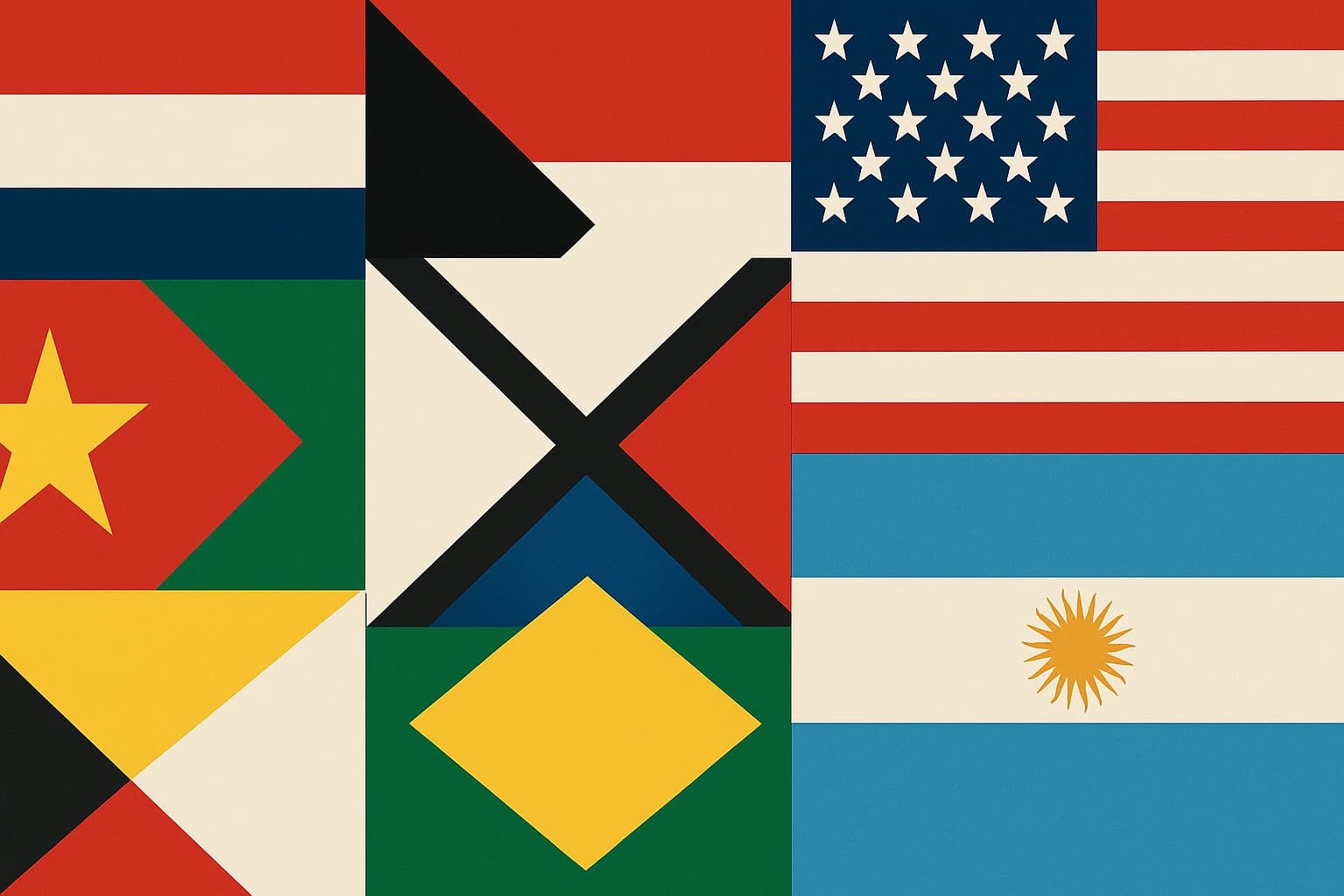
The flags of the Americas share a great deal of history and almost no design vocabulary. Argentina's blue and white sits at one end of the range, the ...

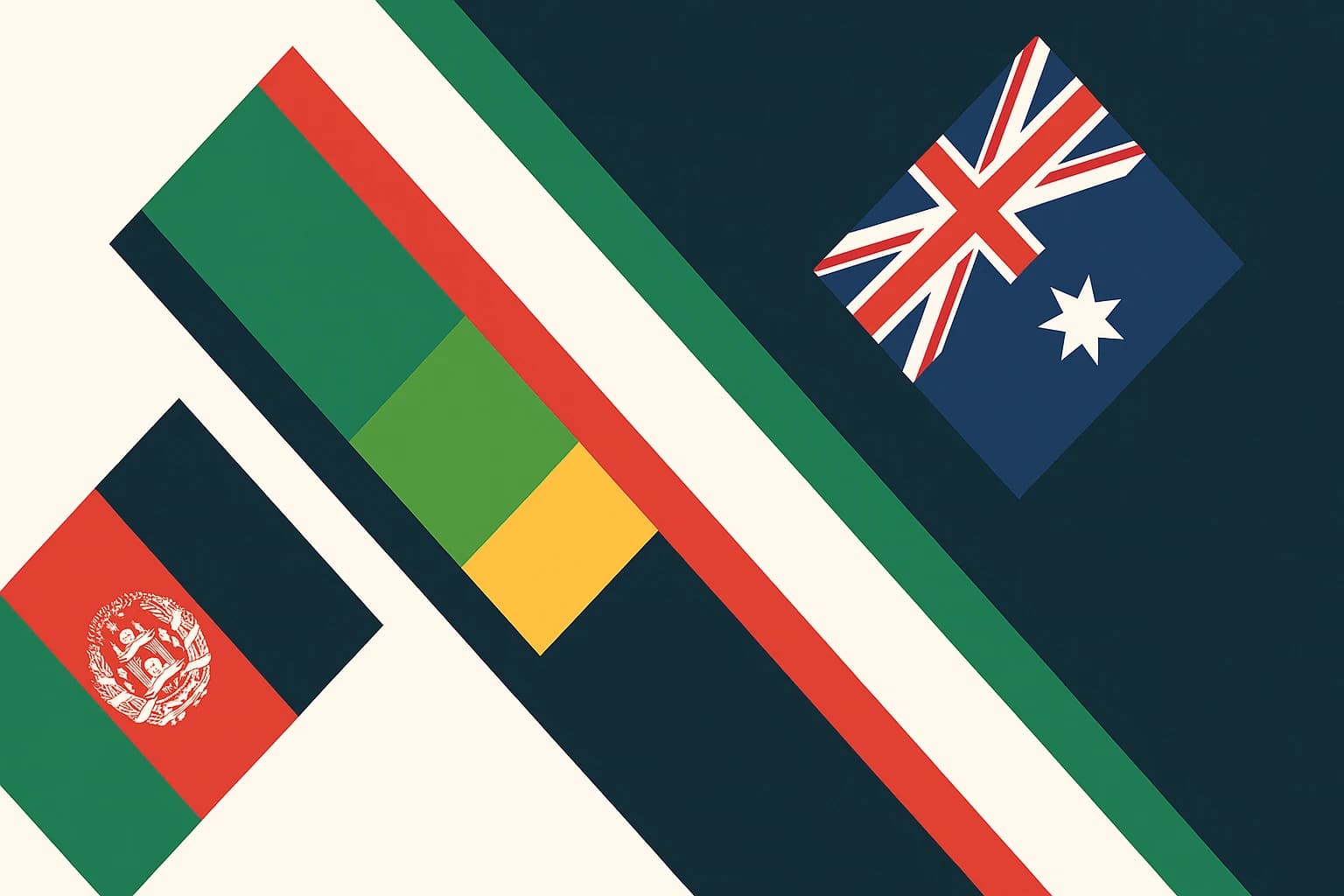
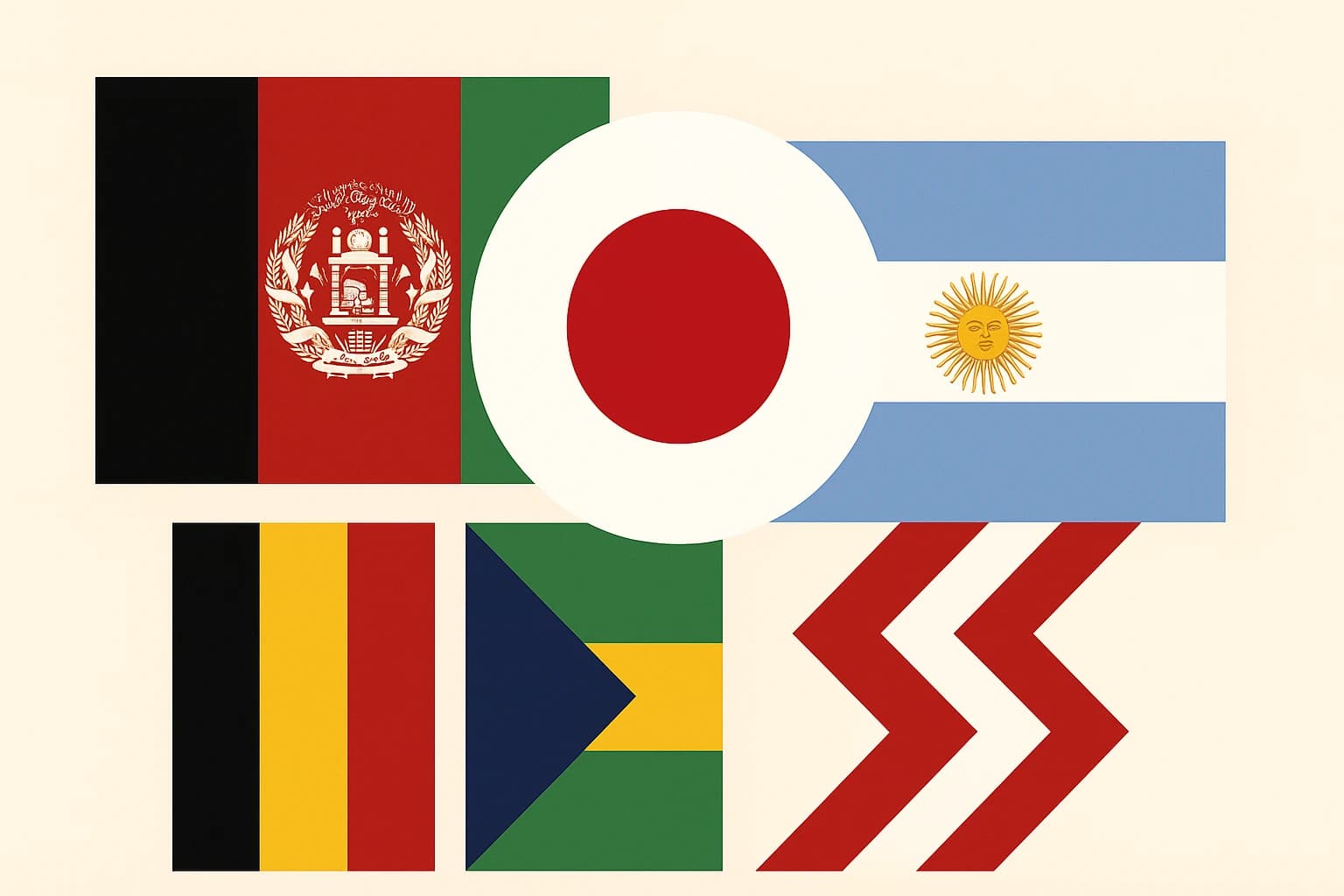
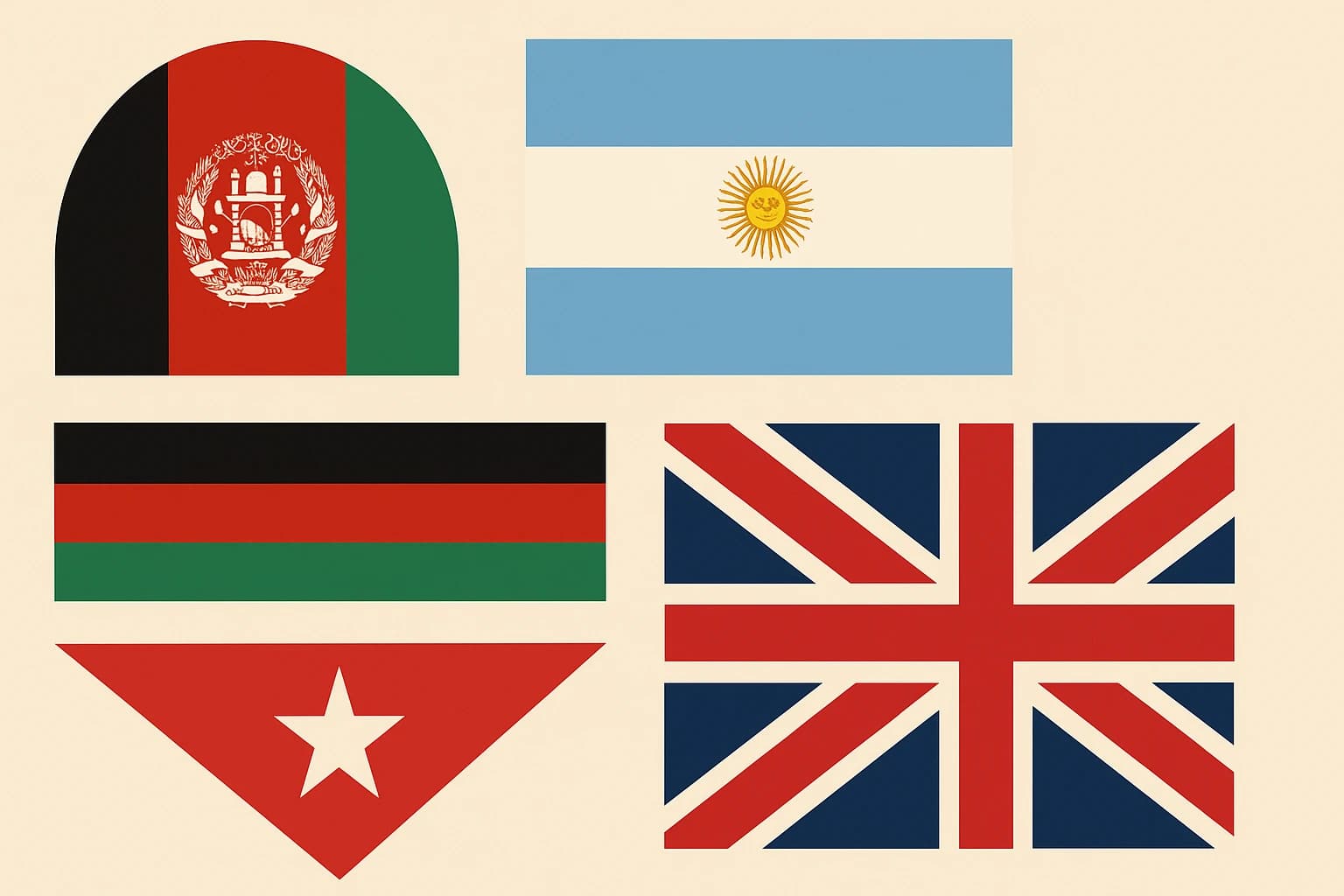
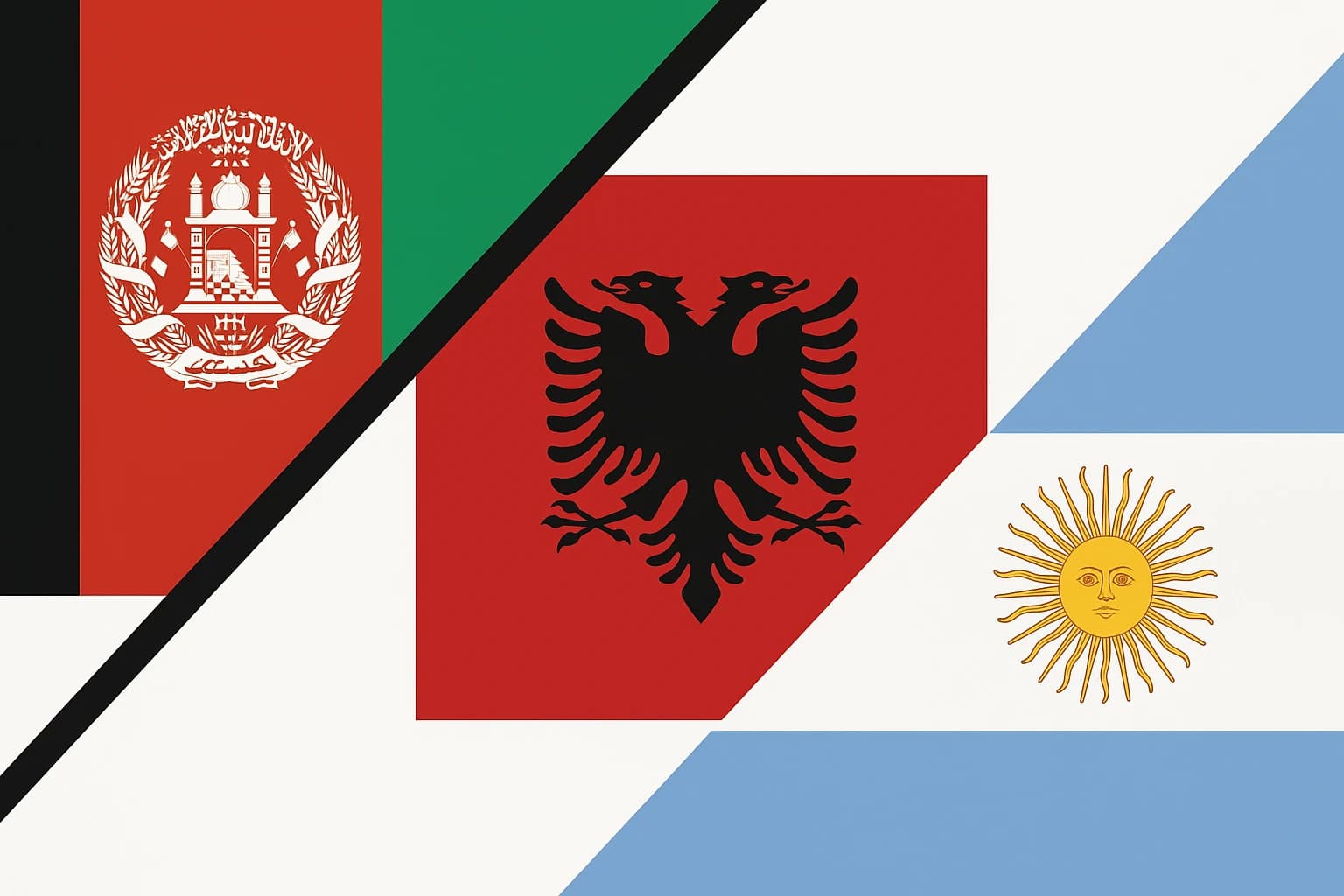
Afghanistan, Albania and Argentina make a useful trio because their flags have aged in completely different ways. One has been rewritten with almost e...

Independence movements tend to have a flag before they have a state. A movement needs something that can go on a leaflet, be carried at a march, and b...

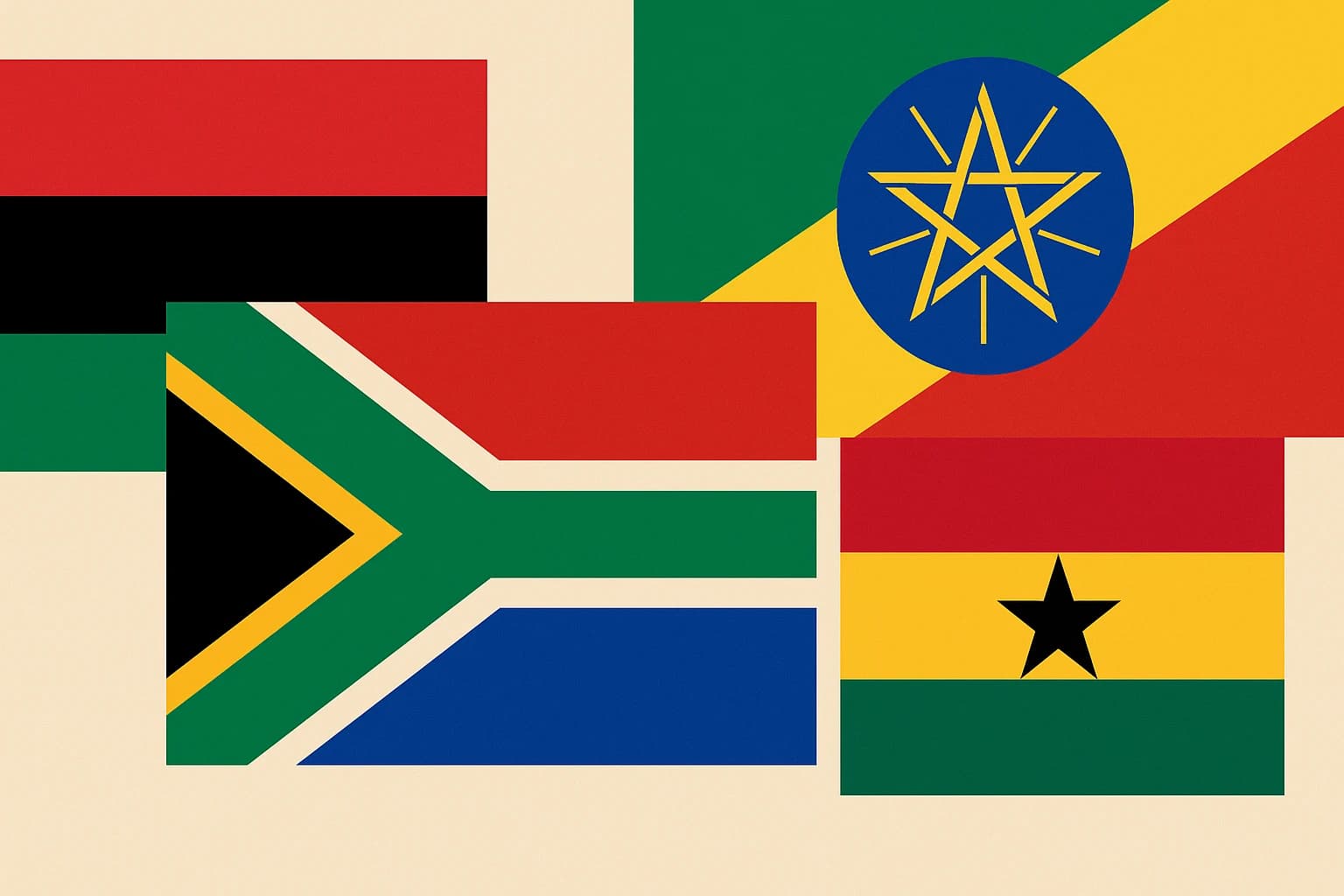
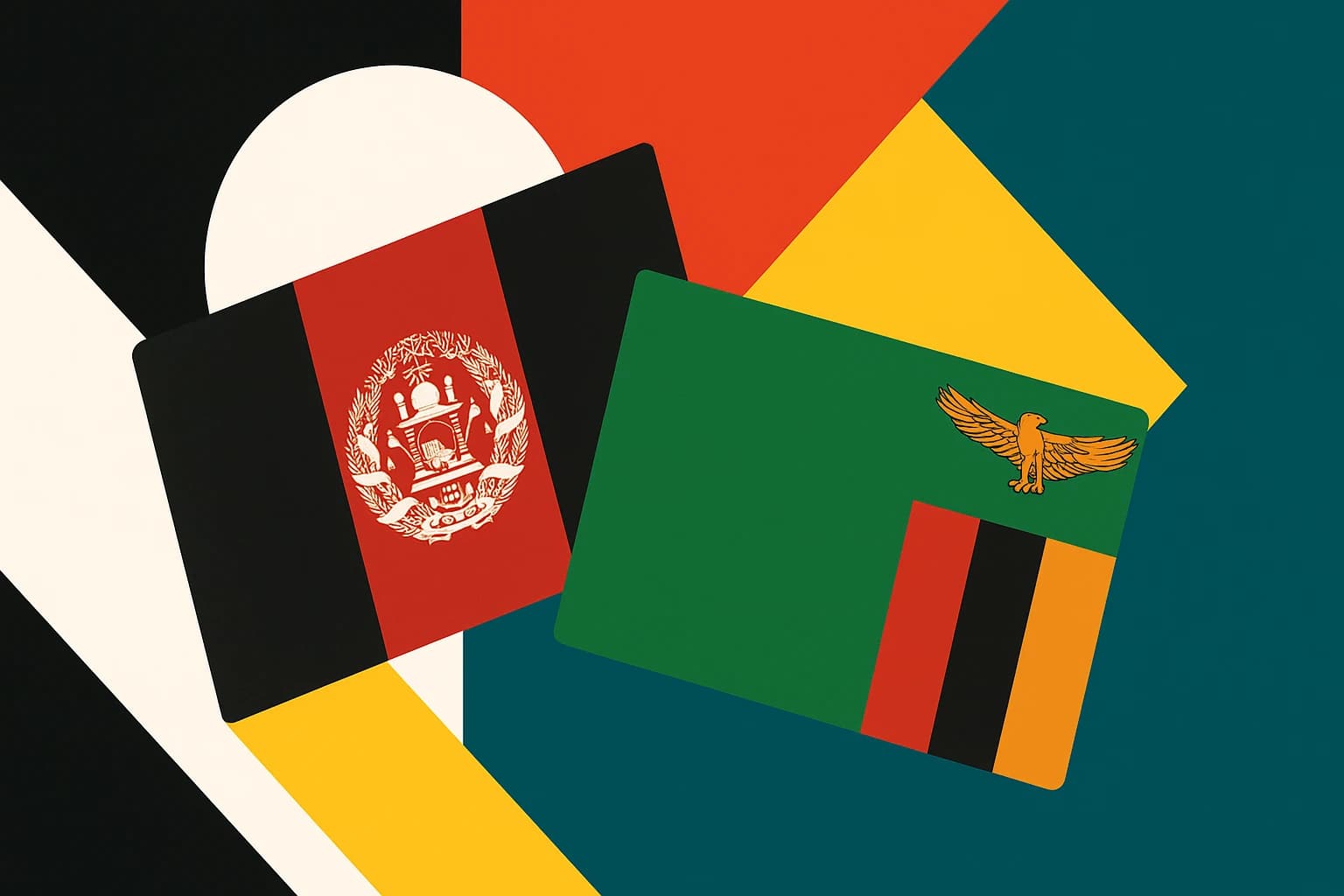
Afghanistan and Zambia have almost nothing in common historically, and their flags were adopted under completely different circumstances. Put them sid...

A flag is one of the oldest ways of saying that a group of people belong together. Vexillology, the study of flags, spends much of its time on how tha...

Afghanistan's national flag has been redrawn again and again. Canada's has been the same since 1965. Putting the two next to each other is a useful ex...

A composite flag combines elements from more than one culture or history into a single design. It is what a country reaches for when no single symbol ...

A stripe is the cheapest thing a flag can do and one of the most durable. It reads at a distance, it survives being sewn badly, and it can be loaded w...

A flag's palette is almost never accidental. Colors get chosen during a revolution, at a founding, or in a redesign after a war, and the reasoning usu...

Why a flag carries so much A flag has to do several jobs at once. It claims freedom and sovereignty, it carries cultural values and history, and it ha...

Vexillology is the study of flags, and a fair amount of it consists of noticing what a design is actually made of once you stop treating it as decorat...

Vexillology is the study of flags, and it exists because flags are dense with information that almost nobody stops to read. A flag is visual shorthand...

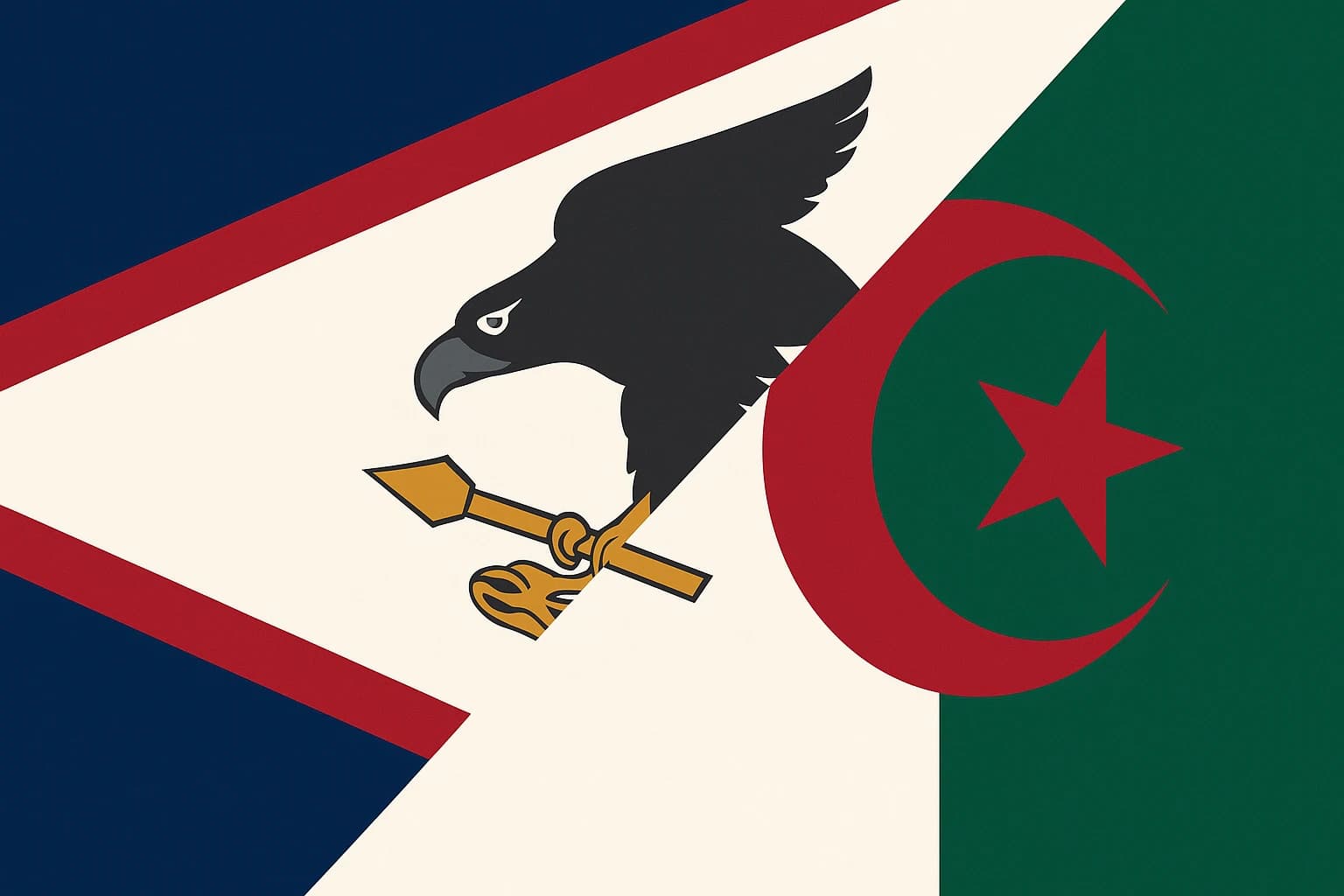
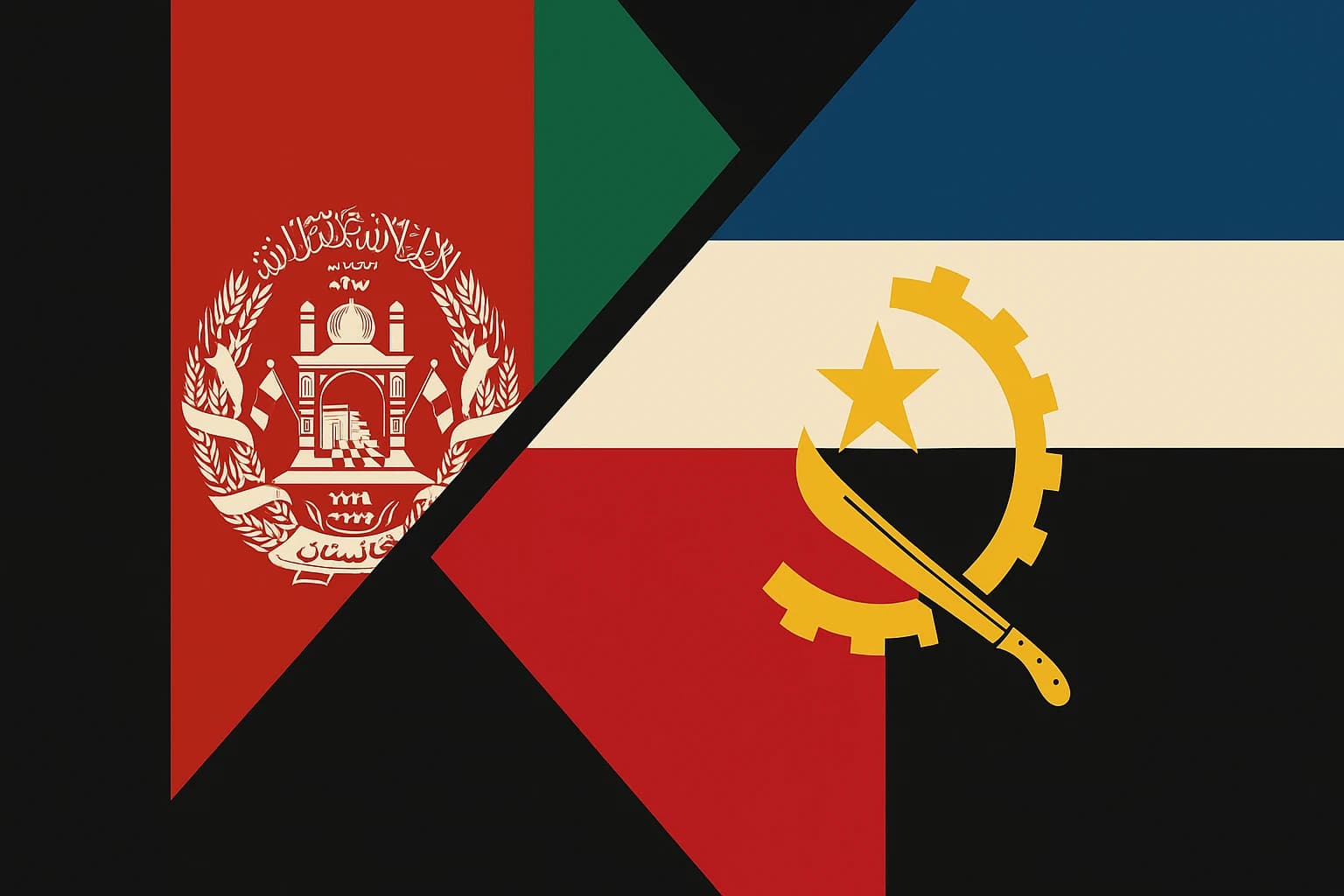
Two flags, two ways of carrying the past Afghanistan and Algeria both put ancient material on modern flags, and they do it for opposite reasons. Afgha...

What a flag is doing besides being fabric A flag is a compressed argument about who a country thinks it is. Some make the argument with a single shape...

This is a walk through the first fifty flags in our database, taken in the order they come. It is an arbitrary way to travel, which is exactly why it ...

Kazakhstan, Uzbekistan, Turkmenistan, Kyrgyzstan, Tajikistan, and Afghanistan sit on what was once the heartland of the Silk Road, and their flags car...

Afghanistan and Argentina have almost nothing in common except this: both countries have spent long stretches in political turmoil, and both have a fl...

Run your eye down the flags of the Americas and a few habits show up again and again: skies, seas, stars, and coats of arms carried over from the mome...

Flags from smaller countries and territories rarely make it into the general conversation, which is a shame, because a few of them are doing more inte...

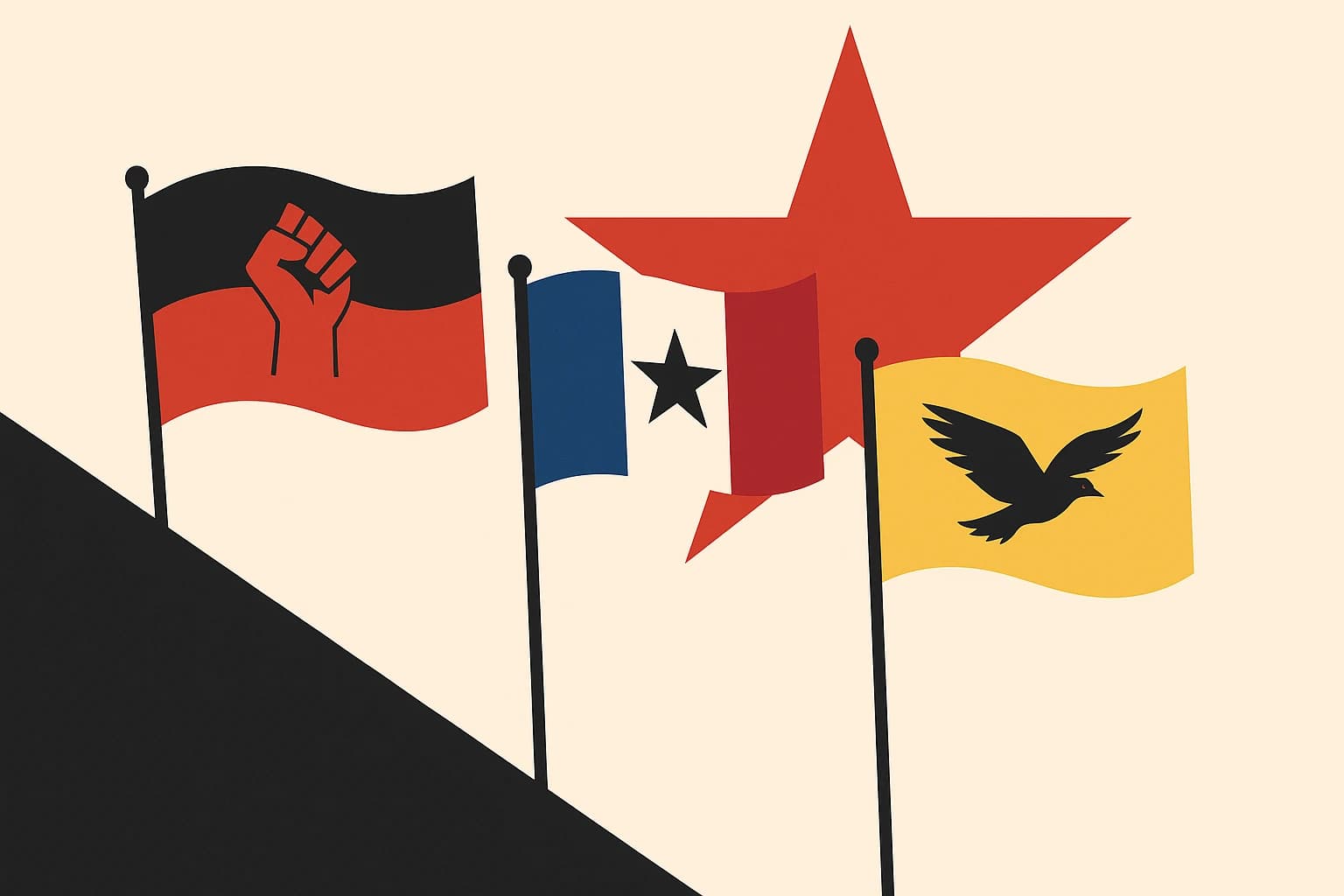
Flags have never been only markers of nations, but in this century they have taken on a second job as banners for socio-political movements. Changing ...

Argentina and Bolivia sit at opposite ends of the Andes, and their flags took different routes to saying who they are. One looks up at the sky. The ot...

Afghanistan and Algeria sit thousands of miles apart and share no obvious history, but their flags were assembled from similar raw material: a colonia...