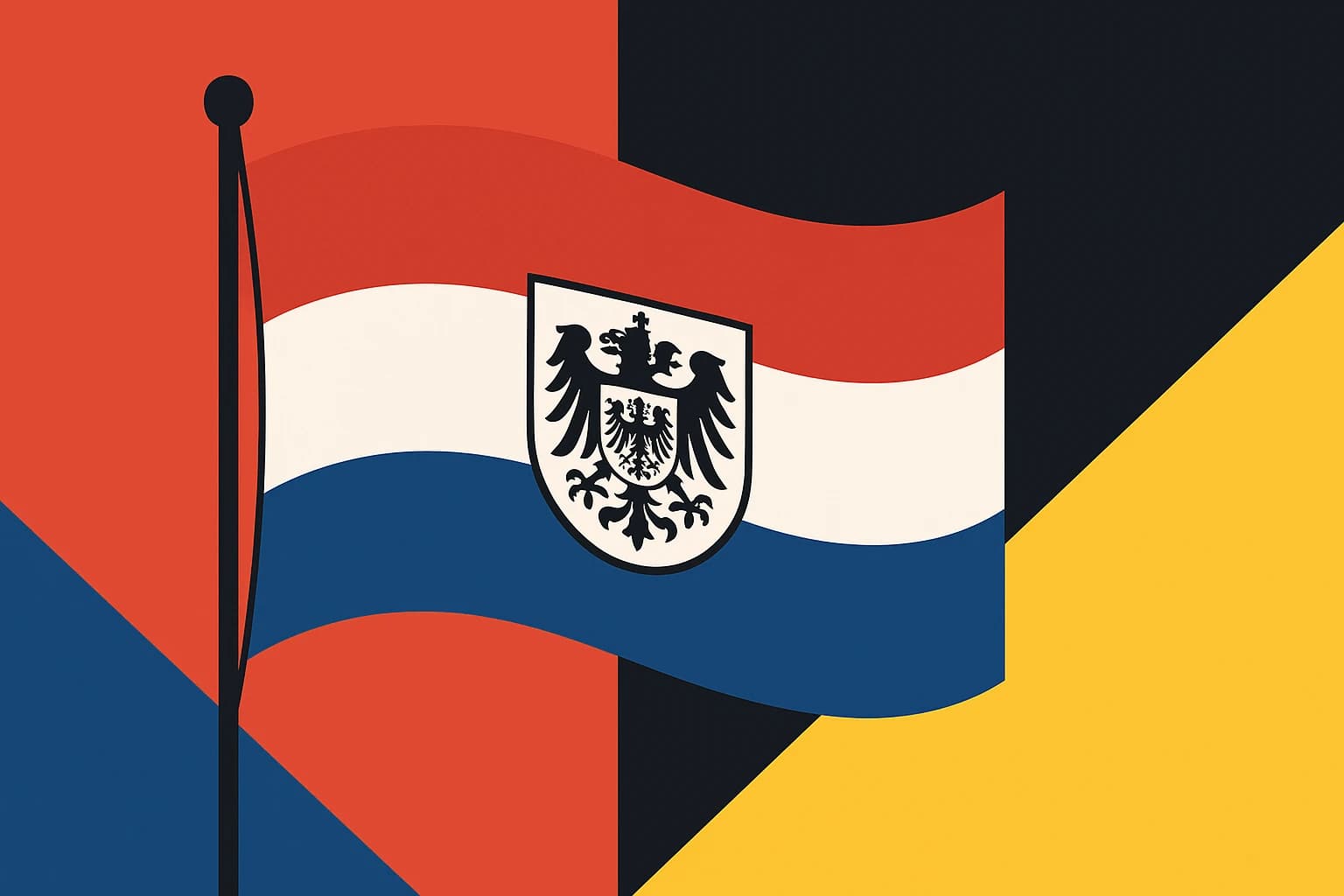
The Symbolism of Red in Flags
Red is a color that screams significance. But why does it hold such weight in the world of flags? Historically, red has been associated with are power and rebellion. It can signify blood, valor, and sacrifice, themes that resonate deeply across cultures and history. National flags use red to convey strength and courage, often representing the lives lost for freedom or the determination of a nation to uphold its values.
This emotional resonance is perhaps why red holds its sway. Psychologically, red is known to energize and stimulate. It draws attention, evokes emotions, and can even influence our actions. So, when countries choose red in their banners, they're not just adding a color; they're weaving a thread of meaning and emotion right into the fabric.
Case Studies: Flags Featuring Red
Let's take a vibrant tour around the world and look at some flags that proudly bear red. We'll begin with Afghanistan.
The Flag of Afghanistan
View Flag →The flag of Afghanistan features red in a radiant band; it signifies the sacrifice of martyrs and captures the essence of battle and bravery.
Next, we drift over to Argentina. While its flag's sky blue seems to dominate, its history contains tales bathed in red.
The Flag of Argentina
View Flag →Argentina's narrative speaks of revolution and struggle, with red being a recurrent theme in its past ensigns.
What's a flag discussion without mentioning China?
The Flag of China
View Flag →Here, red dominates, symbolizing revolution and unity. It's not just a color, but a statement of identity.
Switzerland, known for neutrality, also features red prominently.
The Flag of Switzerland
View Flag →And don't forget Canada, where the maple leaf is set against a bold red backdrop, representing hope and prosperity.
The Flag of Canada
View Flag →Cultural Variations and Interpretations
Isn't it fascinating how a single color can carry such varied meanings? In Western cultures, red may scream "stop," while in China, it brings prosperity and good fortune. These differences show how cultural contexts shape our perceptions.
Consider how the color red waves in different parts of the world. In some countries, it symbolizes communism, in others, national pride. This diversity gives each flag its unique story and purpose.
Historical Evolution of Red Flags
The evolution of red in flags is a journey shaped by revolutions, wars, and the defining moments of societies. Historically, red flags were hoisted during revolutions, as signs of defiance. But today, they continue to serve as symbols of modern political movements.
As society progresses, so do the interpretations of red on flags. It continually adapts, yet always retains a link to its storied past.
Red Flags and National Identity
Flags are powerful symbols of unity. Red, in particular, helps forge a strong national identity. Think of it as the glue that binds the ideals of a nation. From Canada’s glowing red maple to Turkey's crescent, these flags embody shared values.
In public protests, red flags often appear. They mark the spirit of change, uniting people under a common cause.
The Enduring Significance of Red in National Flags
Red's journey on flags is far from over. Its meanings evolve but its impact, both cultural and emotional, remains strong. Whether representing valor or unity, red continues to help nations showcase their identity. Red invites us to a deeper exploration and appreciation of the colors beneath which we unite. And isn't that worth exploring further?