Symbolism in Stripes: Decoding Horizontal and Vertical Dynamics in Flags

Symbolism in Stripes: Decoding Horizontal and Vertical Dynamics in Flags

Adam Kusama
|
|
4 min read

Introduction

In the captivating world of vexillology, flags serve as powerful symbols of identity, culture, and history. Among their many elements, stripes—whether horizontal or vertical—play a crucial role in conveying meanings that often extend beyond their visual appeal. This blog post explores the significance of stripe arrangements in national flags, focusing on how these patterns reflect the values and stories of different nations. From the bold horizontals of Argentina to the striking verticals of Italy, we will decode the symbolism buried within the stripes and uncover the narratives they represent.

The Historical Context of Stripes in Flags

Flags have been around for centuries, acting as emblems of nations and their values. Historically, the design of a flag conveyed much about a nation's identity and aspirations. Stripes, in particular, became a staple feature in flags due to their simplicity and clarity.

Medieval flags often employed stripes to denote allegiance or territorial claims. In some cases, the number of stripes indicated the rank or hierarchy within a kingdom. As nations grew, stripes evolved to incorporate symbolism influenced by pivotal historical events.

Consider the flag of early American colonies, which used stripes as a call for unity and independence. These patterns were more than a design choice; they were assertions of identity.

Cultural Values Reflected in Horizontal Stripes

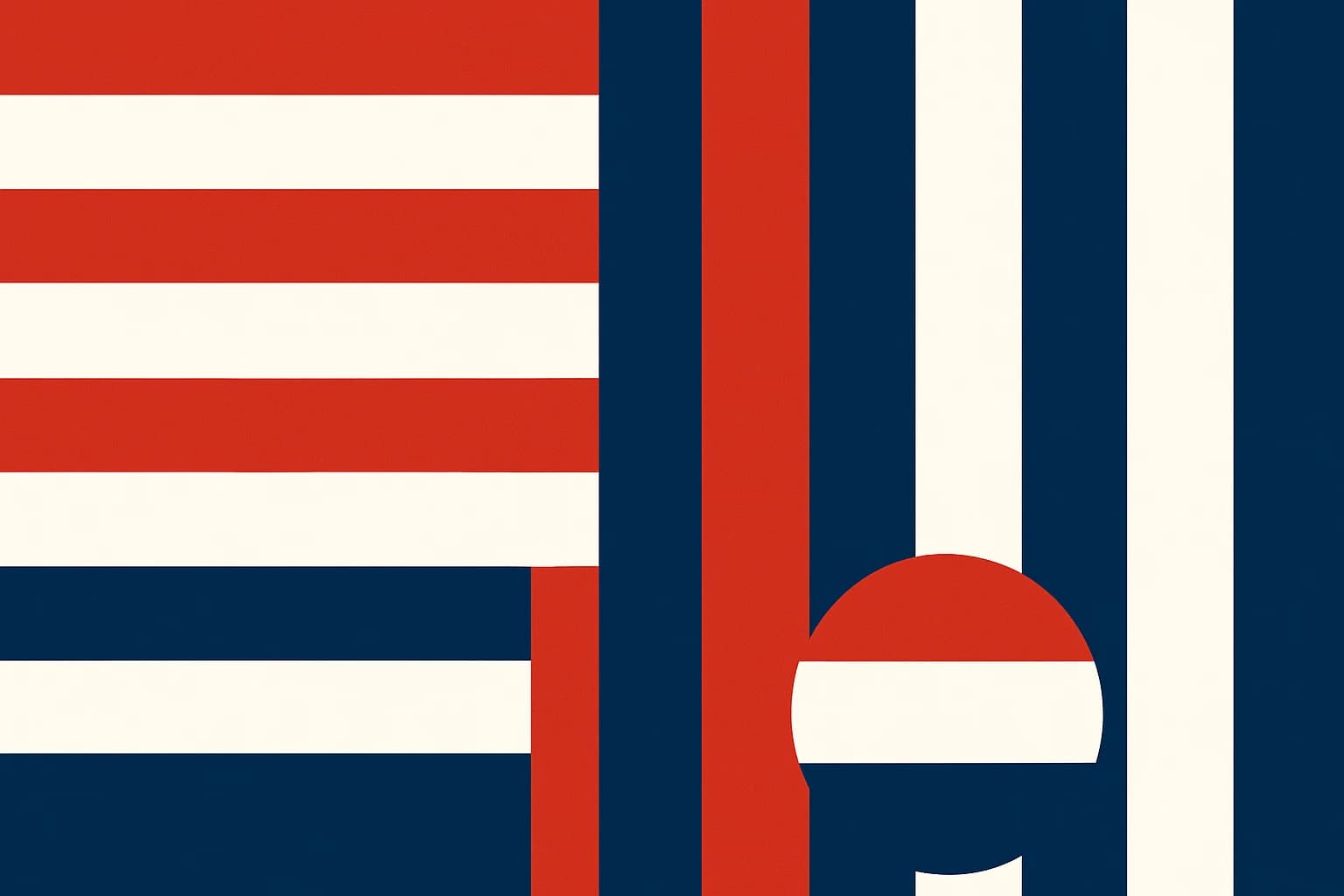
Horizontal stripes often symbolize stability and unity. When you look at flags with such designs, they might evoke feelings of balance and harmony. Take the flag of Argentina, for example.

The Flag of Argentina
View Flag

The horizontal stripes in Argentina's flag represent the sky and the people's aspiration for peace. Similarly, the Indian flag employs horizontal stripes to reflect its diverse cultural heritage.

The Flag of India
The Flag of India
View Flag

Historically, these horizontal designs were influenced by the desire to represent the vastness of a nation’s land and unity among its people.

Vertical Stripes: Representing Movement and Progress

Vertical stripes, on the other hand, can be seen as symbols of movement and progress. They impart a sense of dynamism and forward thinking. Let's turn to the Italian flag.

The Flag of Italy
The Flag of Italy
View Flag

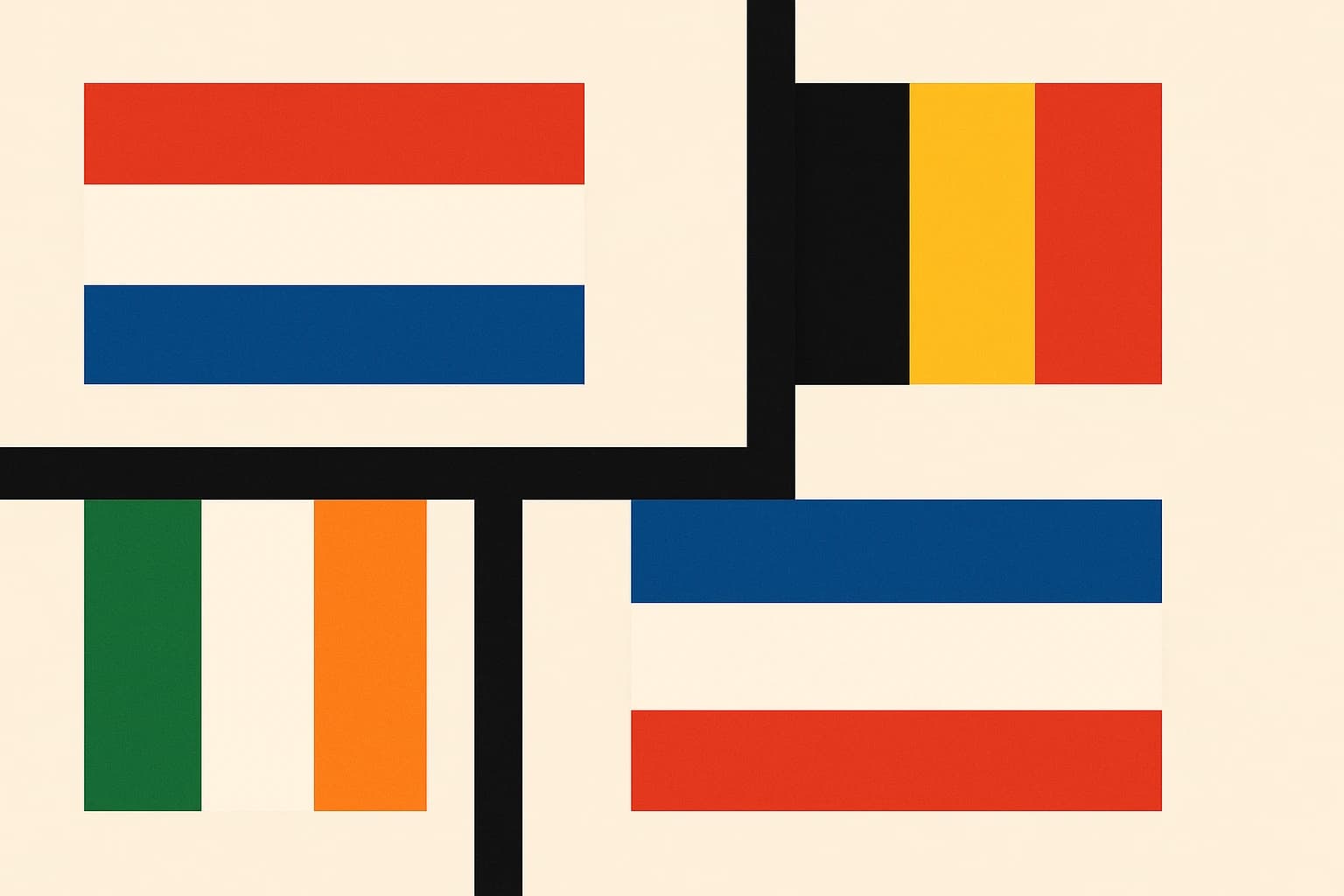
Italy's flag features vertical stripes, which are said to symbolize the country’s unity and strength, with deep-rooted historical resonance. The same vibrant intentions are mirrored in Belgium's flag, where each stripe is a standalone pillar of its national identity.

The Flag of Belgium
The Flag of Belgium
View Flag

Such flags often narrate stories of a nation’s journey toward sovereignty and cultural evolution.

Contrasting Meanings: Horizontal vs. Vertical

You might wonder, "Why choose one over the other?" The orientations of stripes in flags express distinct meanings. Horizontal stripes lend an aura of calmness, while vertical stripes embody motion.

Geographical factors, too, influence these design choices. Regions with expansive landscapes tend to opt for horizontal stripes, whereas areas emphasizing rapid development or rebirth might prefer vertical ones. The visual appeal also changes, with horizontal designs appearing more serene and vertical ones more assertive.

Stripes in Modern Symbolism: Flags of the 21st Century

In recent years, new flags with innovative stripe designs have emerged. These flags often address contemporary issues, reflecting modern challenges and aspirations. Look at revamped flags from regions seeking autonomy; they creatively incorporate stripes to represent resilience and new beginnings.

Vexillology and the Future of Flag Design

The digital age ushers in fresh trends and tools in flag design. We might see more community-driven creations, with input from diverse groups. New flags could reflect digital symbols, too, marking a blend of traditional and modern elements. Furthermore, as global issues become local concerns, expect flag symbolism to adapt, mirroring the shared ambitions of people across the globe.

Conclusion

Stripes in flags are more than mere patterns; they encapsulate extensive narratives about a nation’s history, culture, and aspirations. Understanding the symbolism behind horizontal and vertical stripes allows us to appreciate the depth of meaning in these vibrant banners. As the world continues to evolve, so too will the narratives that flags weave, reminding us that even the simplest designs can hold immense significance.

A

About the Author

Adam Kusama is a contributor to FlagDB, sharing knowledge and insights about flags from around the world.

Continue Reading

View All Articles