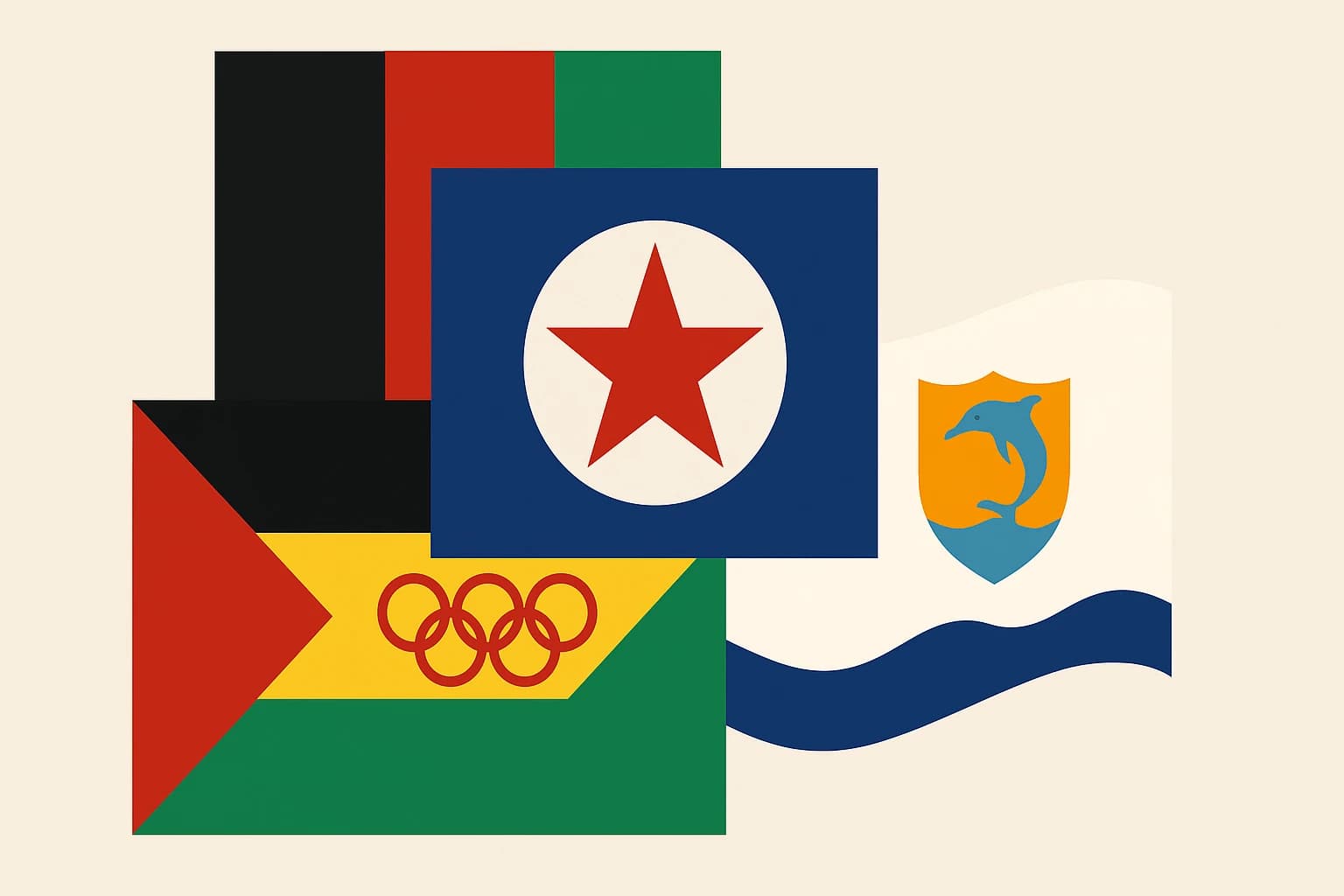
Fierce Colors: The Psychological Impact of Flag Colors Across Cultures
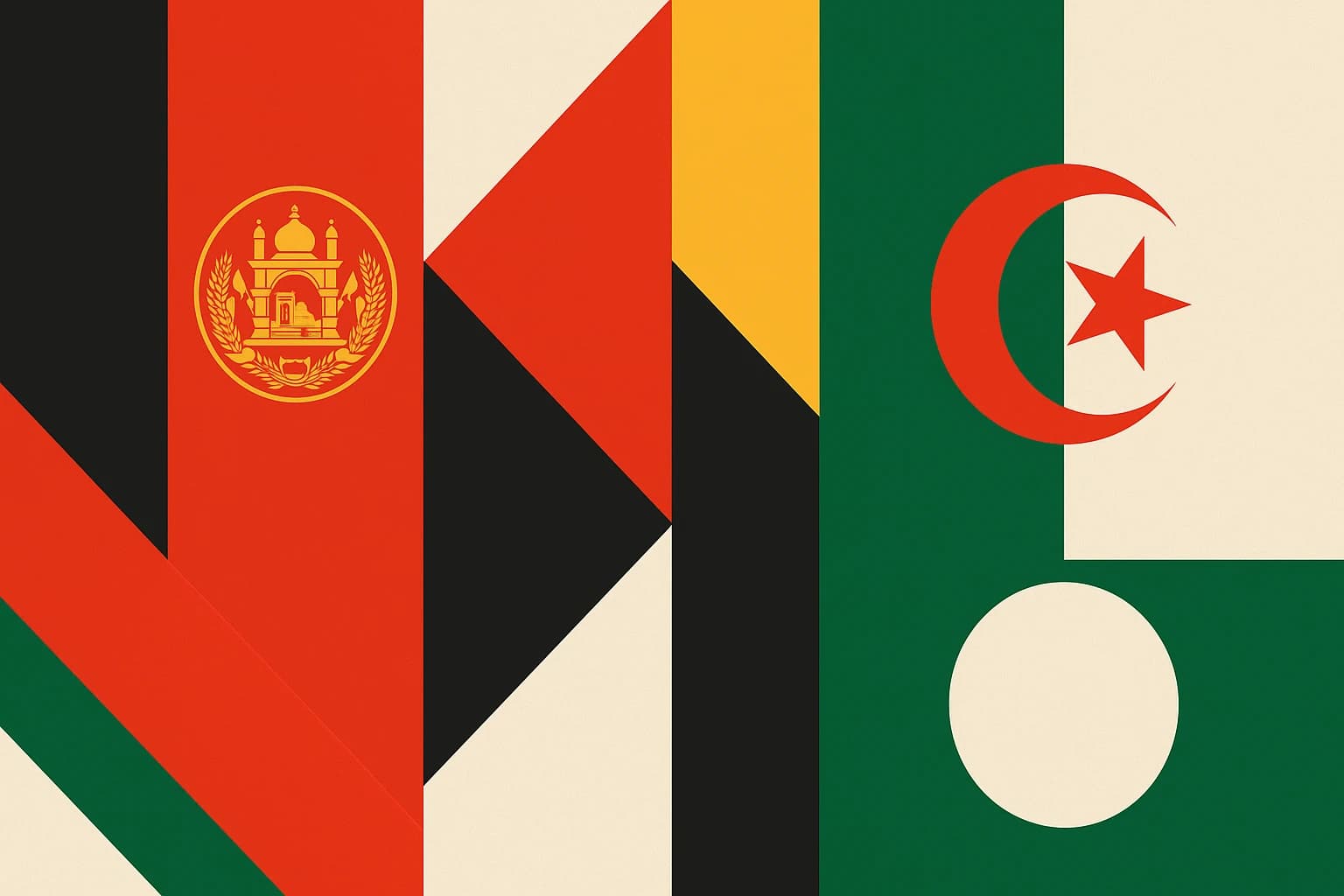
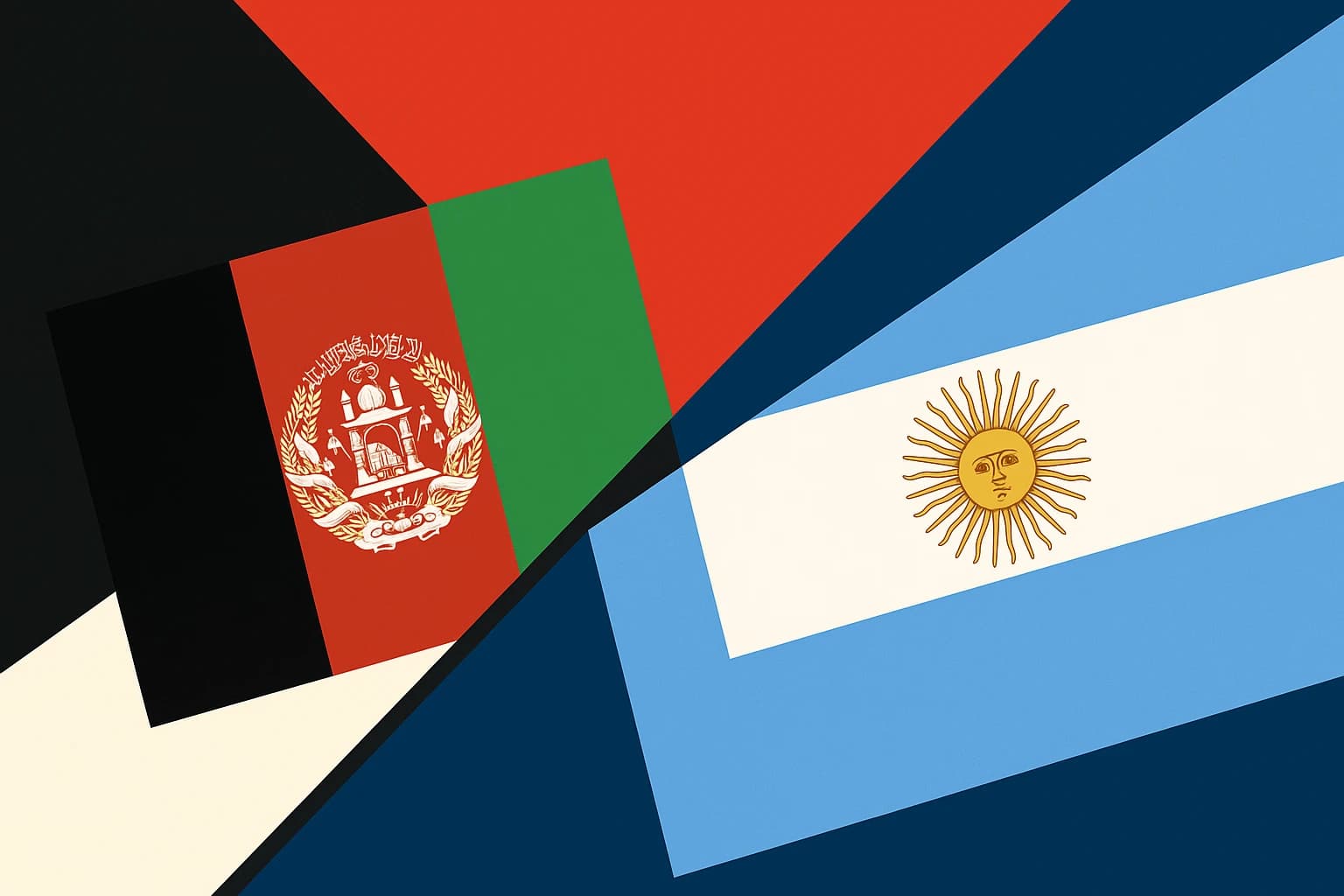
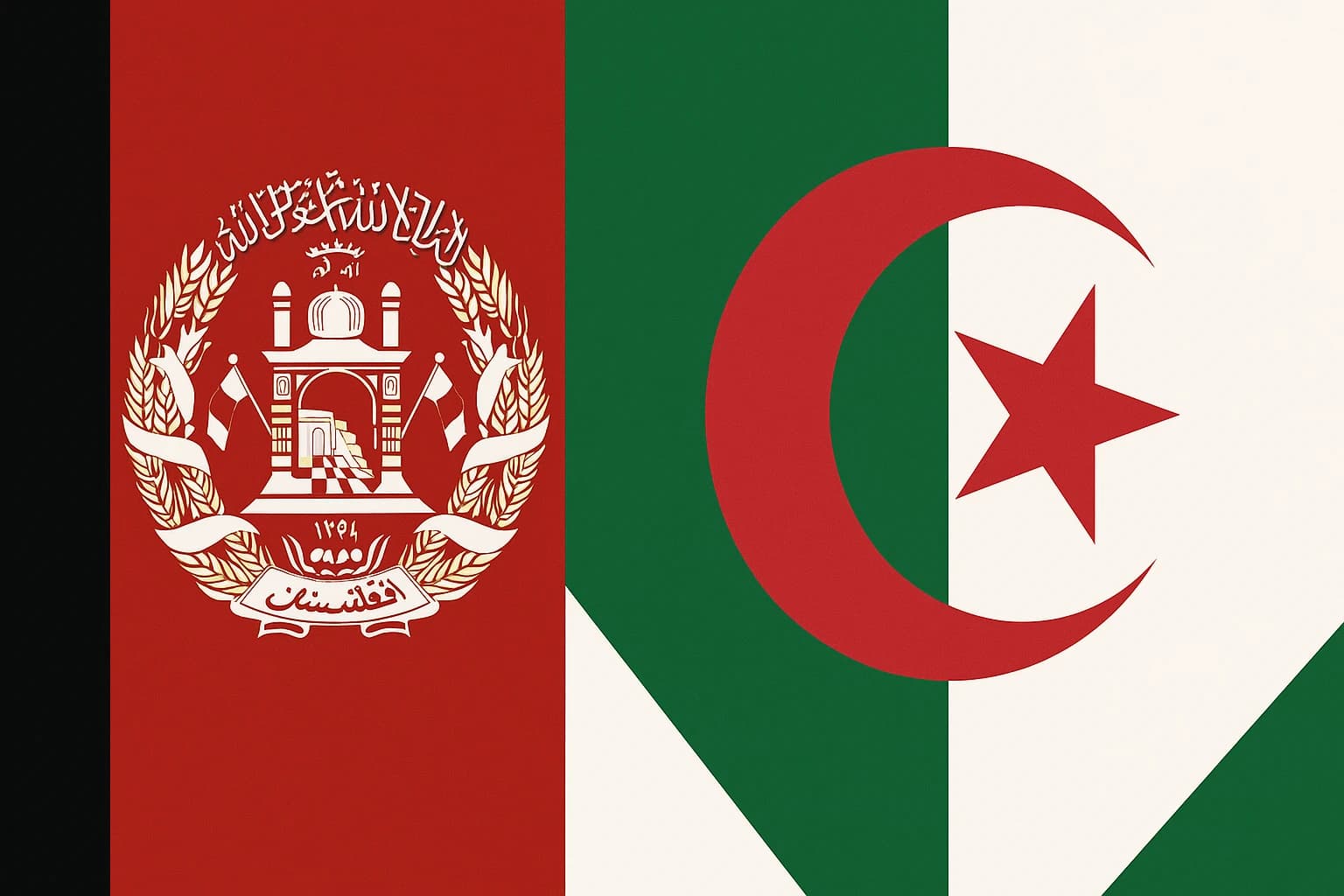
Nobody picks a flag's colors at random. Red dominates in Algeria and Afghanistan; the Bahamas and Belize lean on blue. Those choices carry emotional w...
The history and design of the world’s flags, written up at length.
Page 9 of 11
Showing 193–216 of 246

Nobody picks a flag's colors at random. Red dominates in Algeria and Afghanistan; the Bahamas and Belize lean on blue. Those choices carry emotional w...

When a government falls, the flag usually goes with it. That is the simplest rule in vexillology and it holds across wildly different circumstances: r...

Reading flags in the south Vexillology is the study of flags, and the interesting part is not the color scheme but what the color scheme is doing. The...

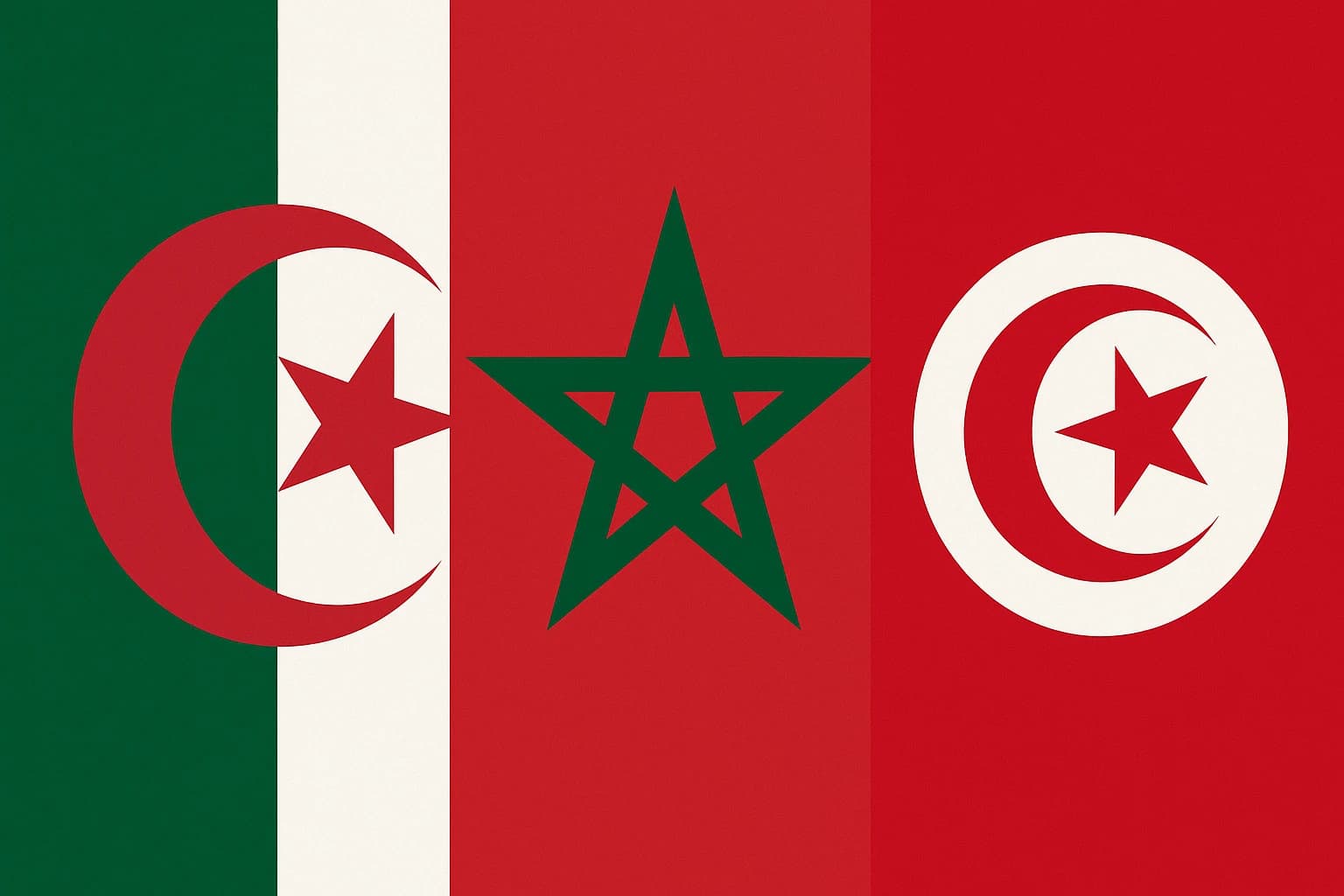
Algeria, Morocco and Tunisia sit next to each other on the map and share a good deal of history, but their flags argue for three different things: a w...

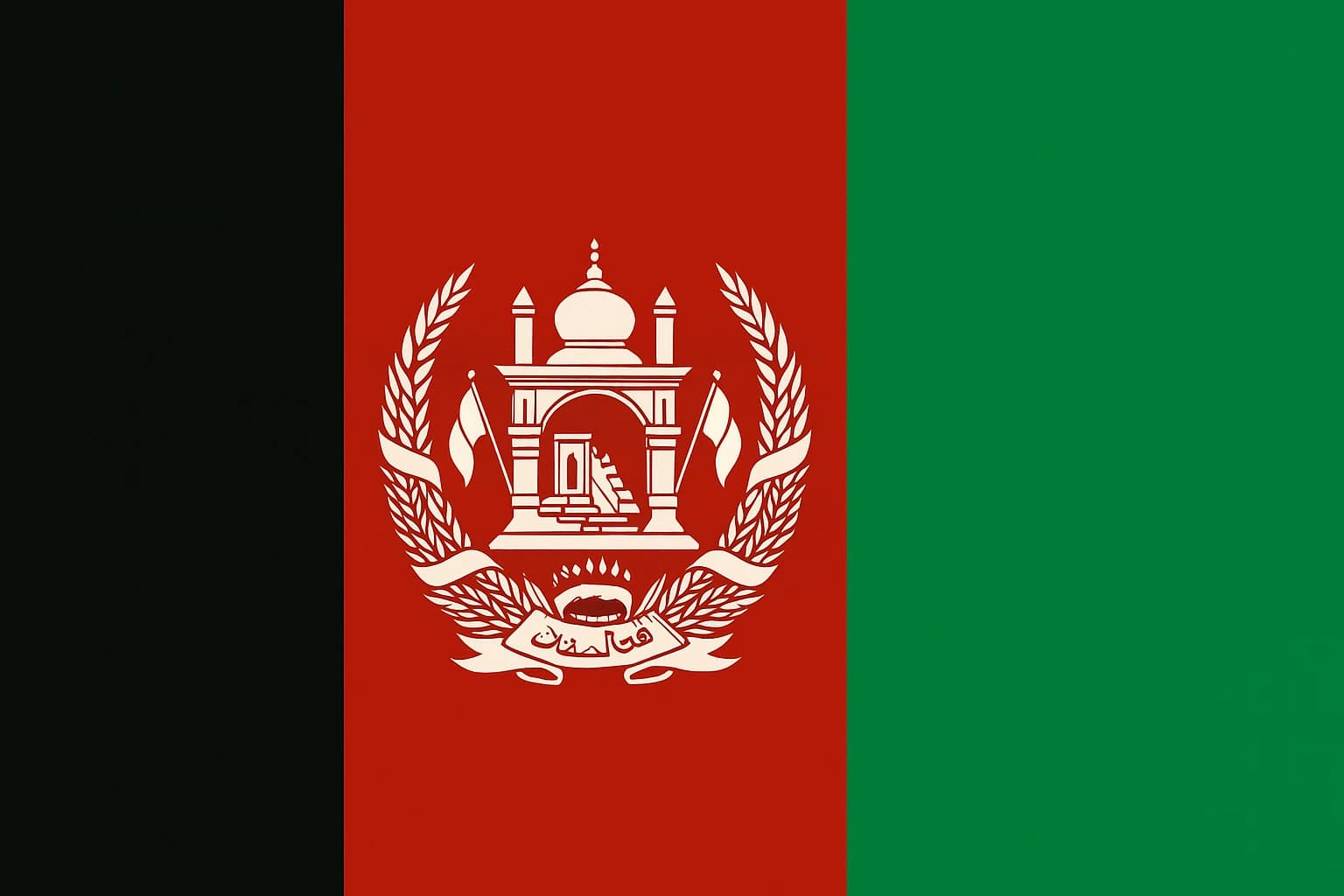
Where the Afghan flag comes from The flag's story starts in the 19th century, and it has been redrawn repeatedly since, usually in step with a change ...

A flag is a very small canvas. A country gets a few colors and a shape or two to say something about who it is, which means the color choices tend to ...

Flags get designed under specific circumstances, and a surprising number of them were designed during or immediately after a war. Afghanistan and Alge...

A surprising number of national flags carry a creature that never existed. Dragons, double-headed eagles, gods borrowed from older religions: these ar...

Countries change their flags less often than you might expect, and when they do it is rarely about aesthetics. A redesign is usually the visible end o...

Most surveys of national flags stop at the countries that currently exist. That leaves out a good number of banners once flown over real territory by ...

What a flag is actually saying Vexillology, the study of flags, is really the study of how a country wants to be seen. A flag has to hold a collective...

A state that most of the world declines to recognize still needs a flag, and arguably needs one more than a recognized state does. Where there is no s...

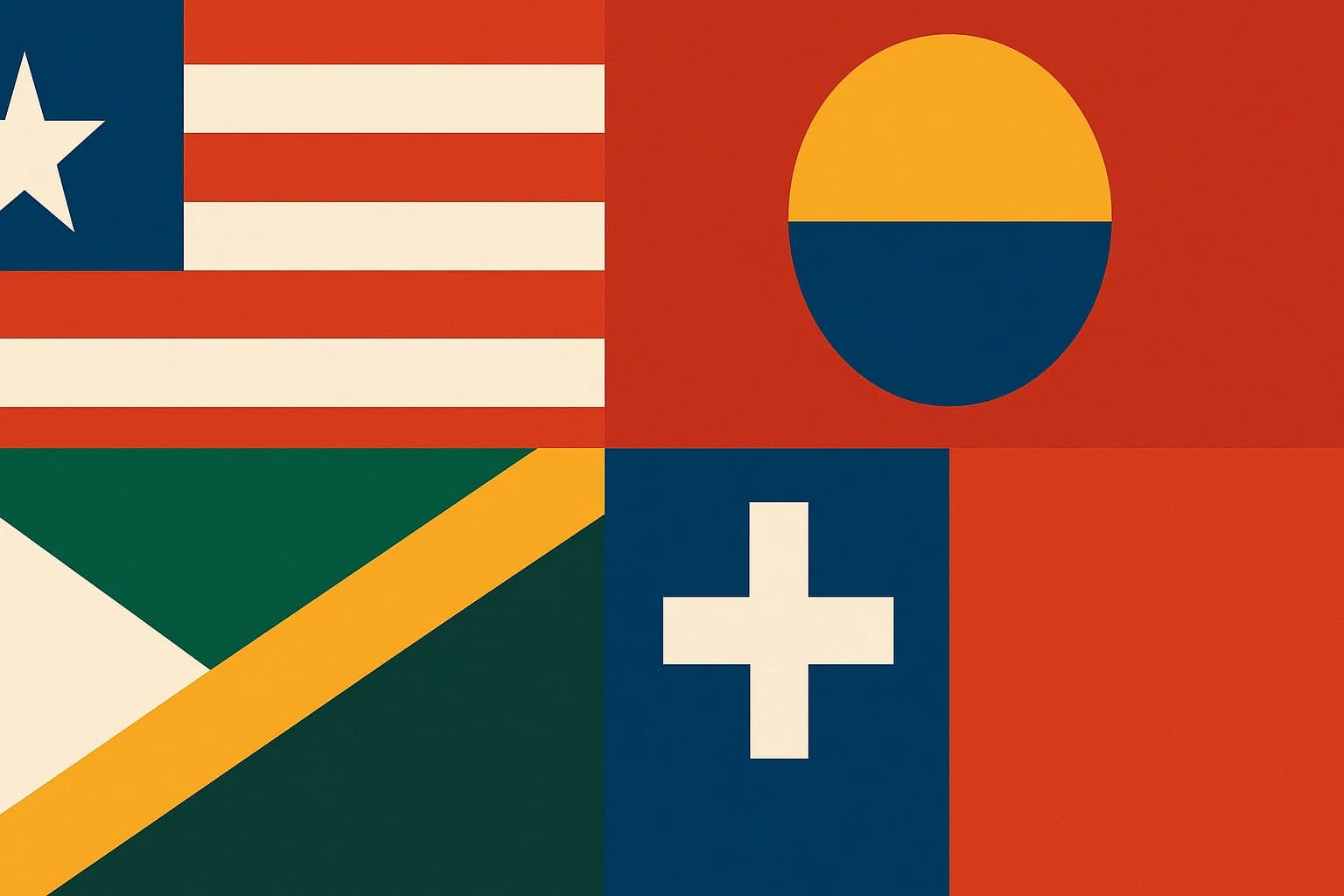
Post-colonial flags had a difficult brief. They had to represent a country that in most cases had only just become one, using a visual language that w...

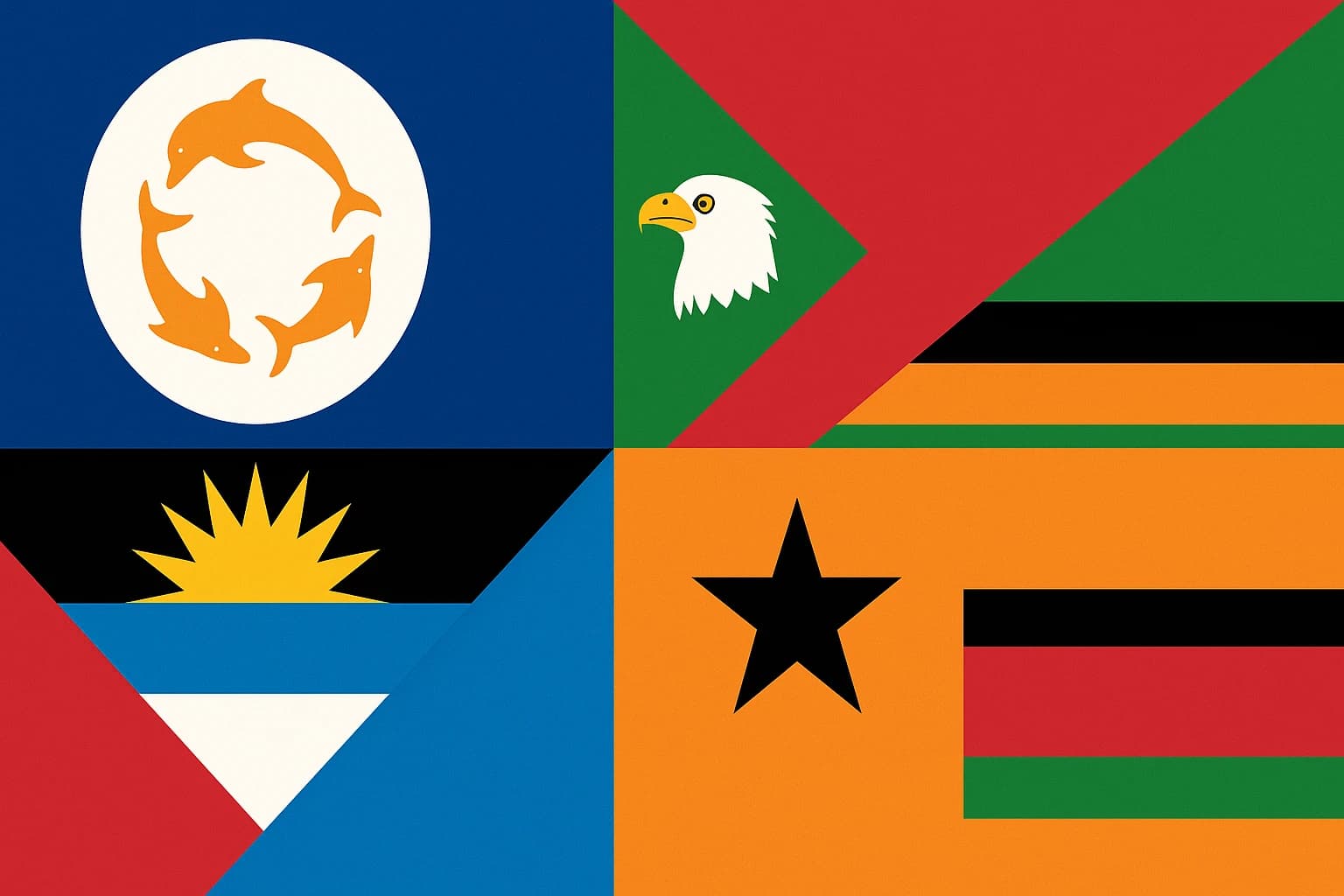
Most Caribbean flags began as adaptations of imperial insignia. As independence arrived through the region, countries replaced them with designs of th...

A flag designed at independence has a harder job than most. It has to identify a country that did not exist in its current form the year before, and i...

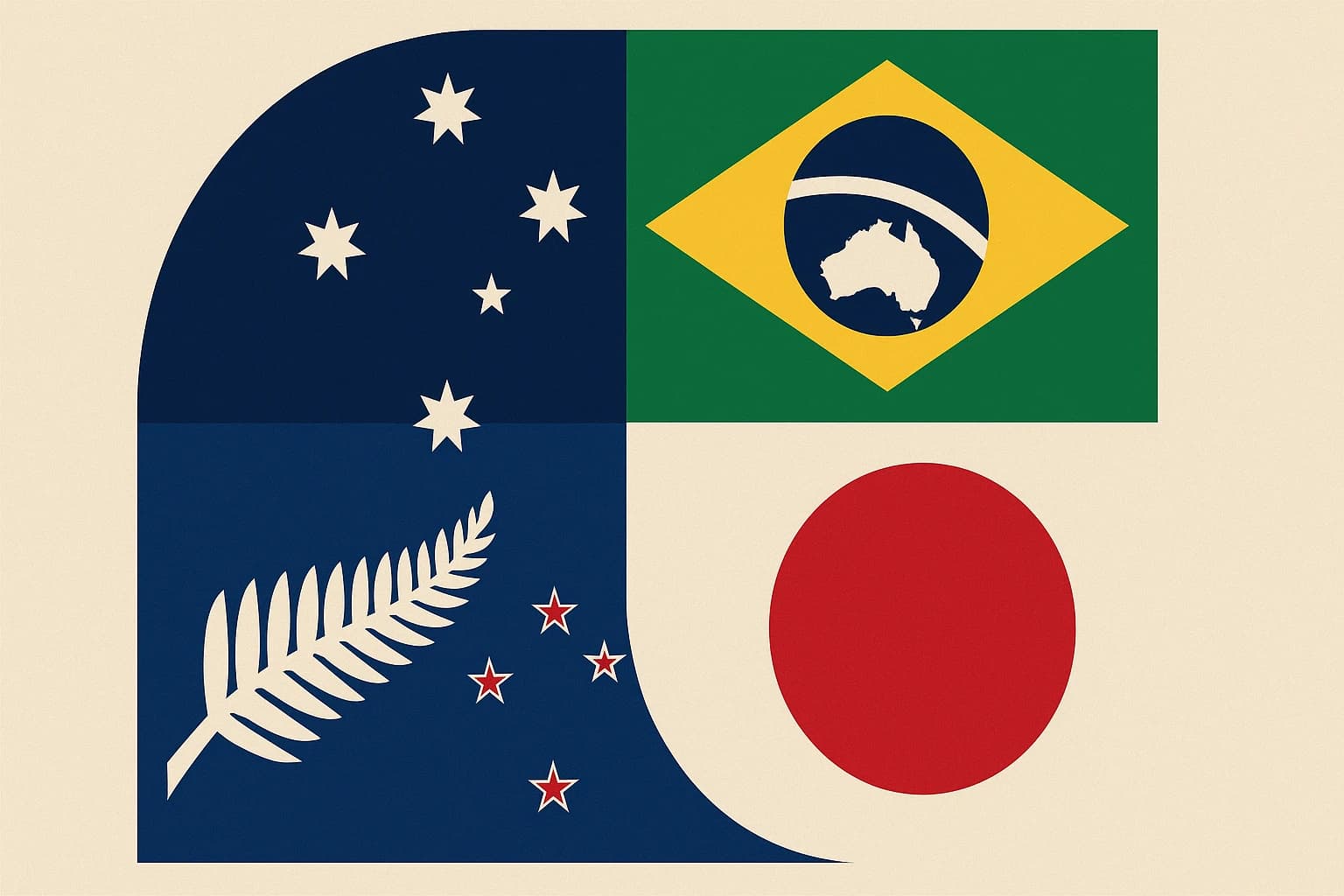
Argentina and Brazil share a border and almost nothing else in how they chose to represent themselves. One flag was born out of a revolution, the othe...

Why the color choices matter Flag colors are deliberate. They carry psychological associations and cultural conventions that feed straight into nation...

Afghanistan and Ethiopia have both spent long stretches at war, and both have flags that were built to carry that. Reading the symbols is a reasonable...

What a flag is for Vexillology is the study of flags, and most of it comes down to one question: how does a rectangle of cloth end up standing in for ...

Two flags, two very different lifespans Vexillology is the study of flags, and one of the things it turns up is how differently two national flags can...

Some flags are designed to look pleasant. Others are designed to record what a country went through, and they tend to be blunter about it. Afghanistan...

Vexillology, briefly Ever looked at a national flag and wondered about its backstory? That question is the whole of vexillology, the study of flags. I...

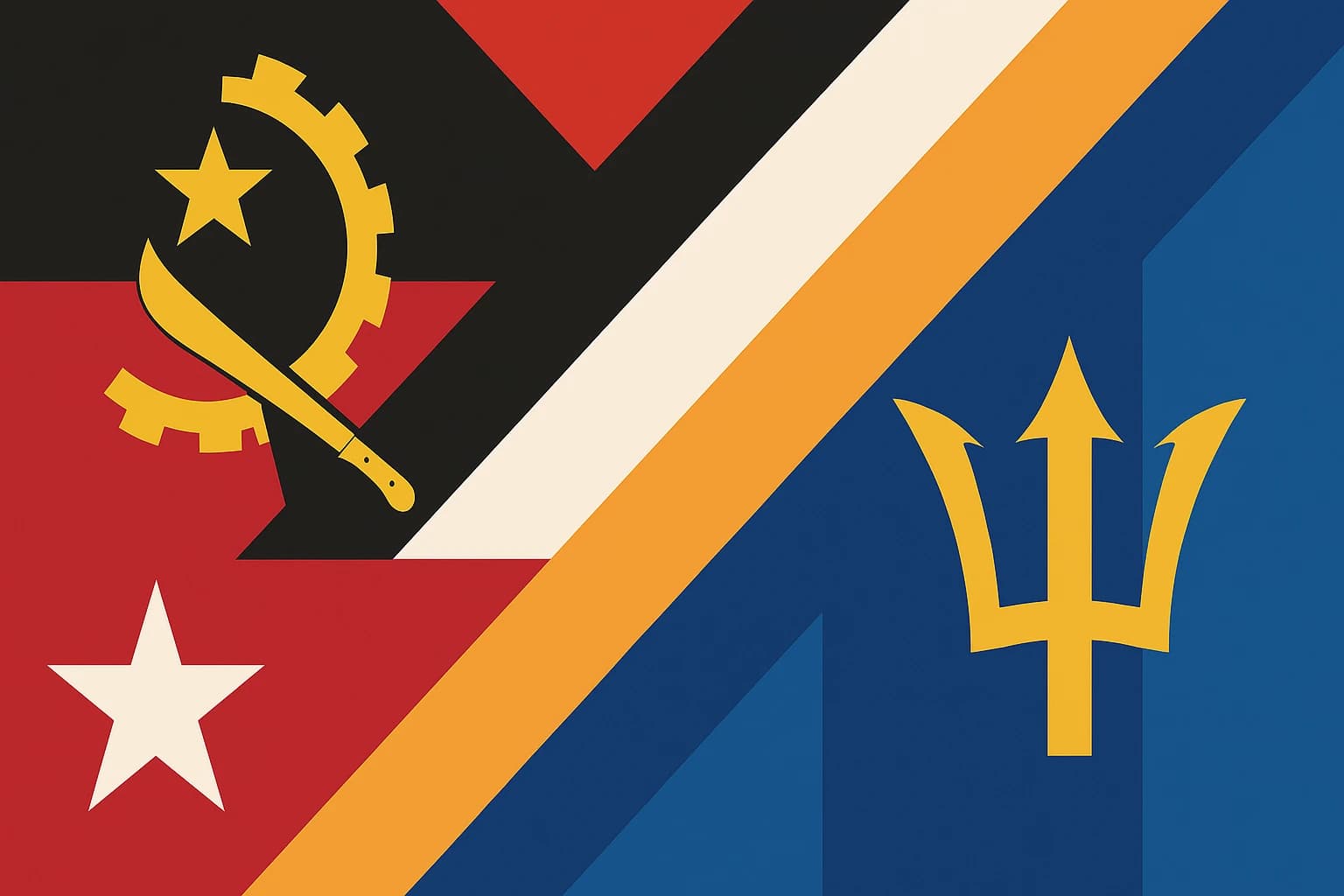
African national flags carry a lot of specific history in a small space. The flags of Algeria, Angola, and Botswana are three good examples, and they ...

Some flags hide their arguments in plain sight. The emblem in the middle turns out to be a labor manifesto, or a party-political scoreboard, or a foun...