The Colors of Unity: Symbolism in the Flags of the Americas

The Colors of Unity: Symbolism in the Flags of the Americas

Adam Kusama
|
|
4 min read

Introduction

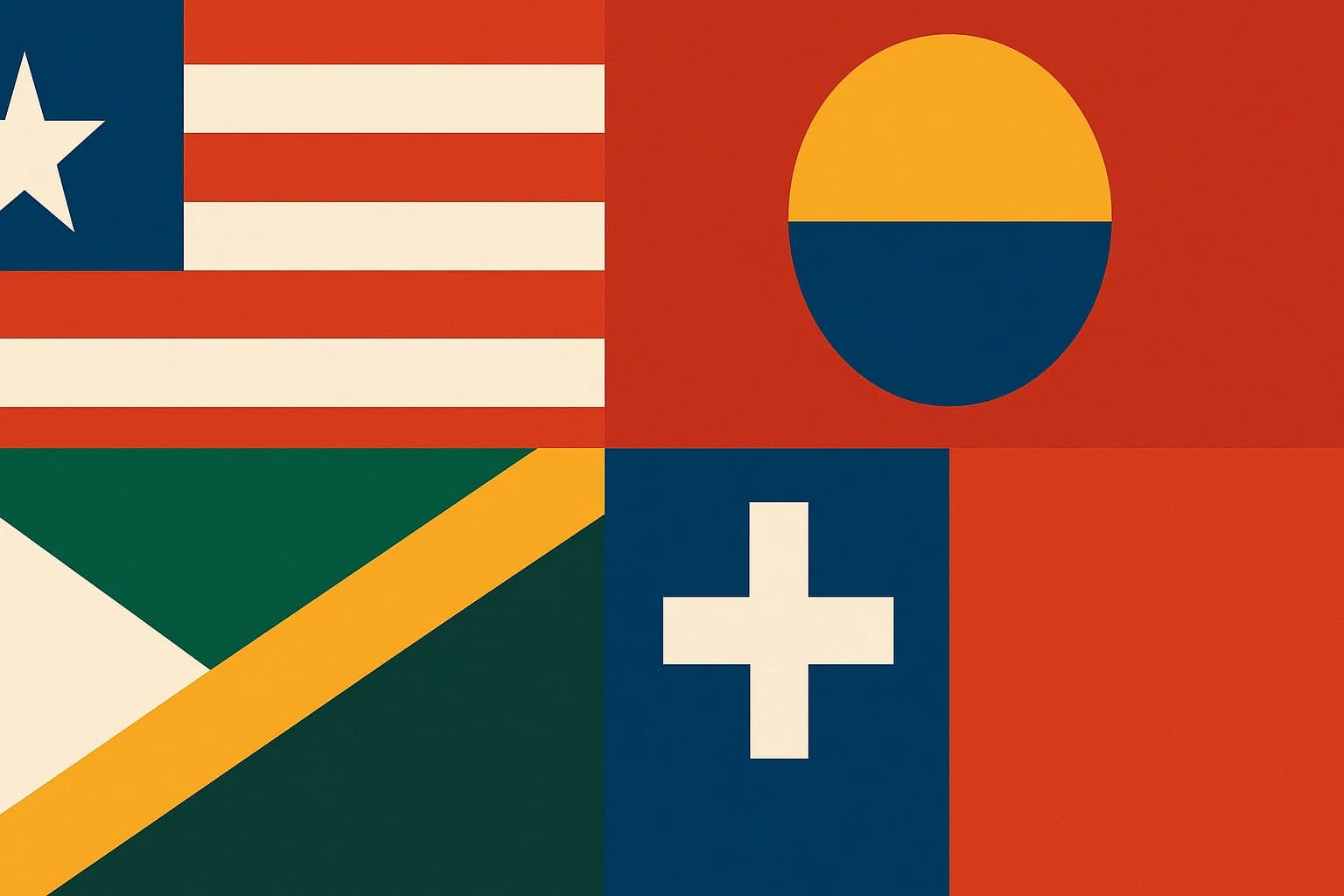
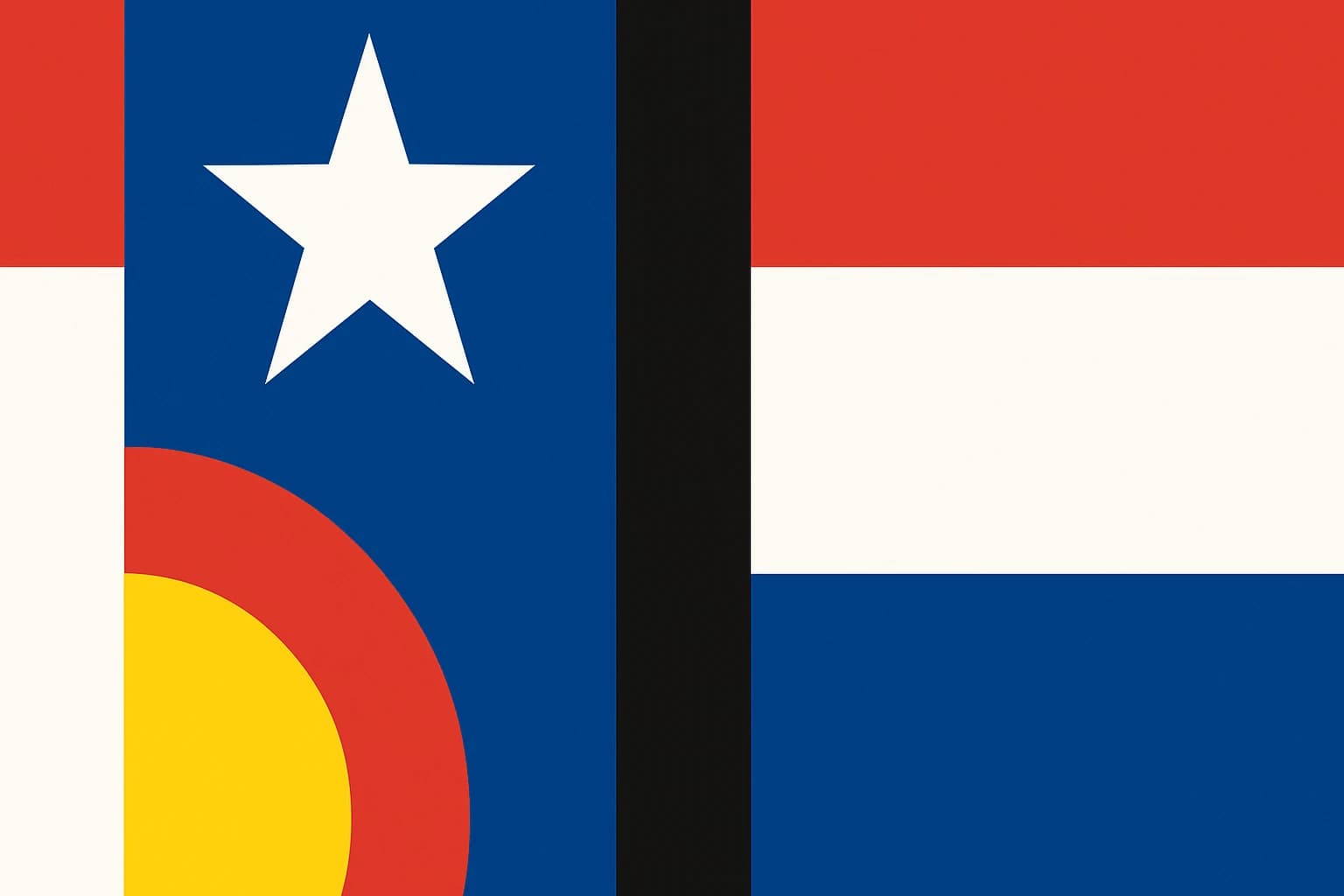
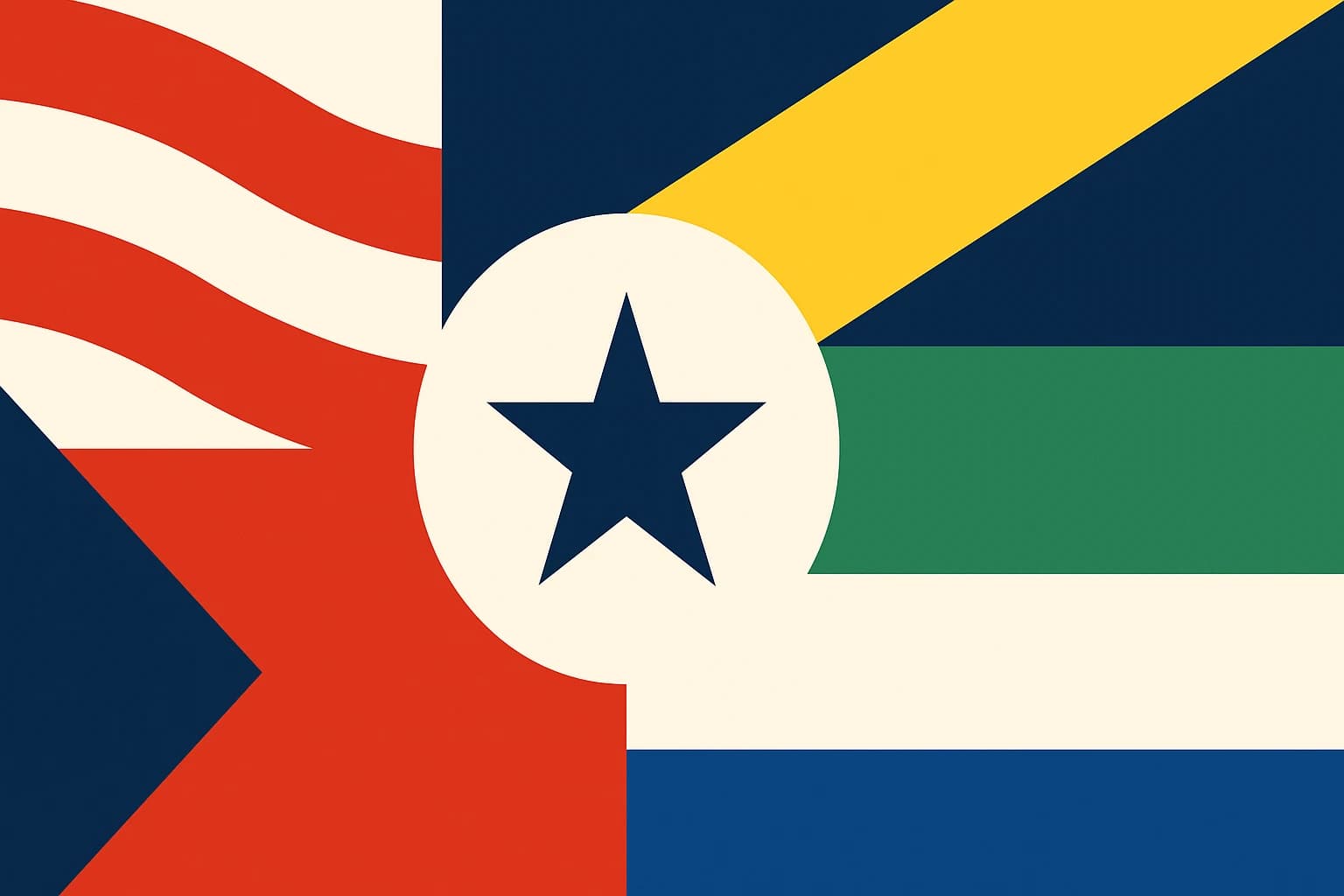
Flags are more than colorful pieces of fabric fluttering in the breeze. They embody the vibrant stories and unique identities of the nations they represent. In the Americas, these emblems are a testament to shared cultural heritage as well as distinct national pride. From the serene blue and white of Argentina to the multihued banner of Antigua and Barbuda, each flag tells a story of triumph, struggle, and unity. Let's unravel the meaning behind these symbols, discovering both the individual narratives and the collective tapestry of life in the Americas.

The Historical Context of Flags in the Americas

To understand the flags of the Americas, we first need to peek into the region's historical evolution. Initially, the flags bore symbols introduced by colonial powers, reflecting a complicated history of conquest and control. Over time, these symbols transitioned from representing colonial influences to embodying national identity. Consider how countries in the Americas embraced symbols that resonated with their rich cultures, moving away from imposed European emblems to flags that reflect local ethos.

Color Symbolism in the Flags of North America

Color symbolism is rich and varied across North American flags. Let's start with the United States, where red symbolizes valor, white stands for purity, and blue for justice.

The Flag of The United States
View Flag

Canada's iconic Maple Leaf stands as a symbol of peace and unity. The flag’s red borders draw from the British and French heritages that are part of the country’s foundation.

The Flag of Canada
The Flag of Canada
View Flag

Mexico's flag beams with green, white, and red. Each color here narrates a different chapter – green for hope and victory, white for purity and faith, and red representing the blood shed for independence.

The Flag of Mexico
The Flag of Mexico
View Flag

The Vibrant Palettes of Central America

Central American flags are imbued with rich cultural symbolism. Take Guatemala’s flag, which uses blue to represent the Pacific Ocean and Caribbean Sea, flanking a white stripe symbolizing peace and purity.

The Flag of Guatemala
View Flag

Costa Rica’s flag intertwines blue, white, and red to signify the sky, peace, and the blood spilt for freedom, respectively.

The Flag of Costa Rica
View Flag

Indigenous influences are prevalent in many Central American flags, reinforcing the significance of ancestral heritage in the region’s identity.

South American Flags and Their Stories

In the southern continent, Argentina's flag is a beautiful depiction of sky, clouds, and sun. The baby blue and white stripes symbolize the clear sky and snow-capped Andes, framed by the sun with a face, inspired by the Inca deity, Inti.

The Flag of Argentina
View Flag

Bolivia's flag is a burst of red, yellow, and green – representing its courageous army, the nation’s rich mineral deposits, and fertility of the land.

The Flag of Bolivia
The Flag of Bolivia
View Flag

Meanwhile, Chile and Colombia’s flags reflect unity and struggle, deeply tied to their historical fights for independence and identity.

The Flag of Chile
The Flag of Chile
View Flag
The Flag of Colombia
View Flag

The Caribbean: A Melting Pot of Colors and Symbols

Antigua and Barbuda’s flag is nothing short of a masterpiece, blending black, blue, white, yellow, and red. It illustrates the sun, sea, and the energy of its people.

The Flag of Antigua and Barbuda
View Flag

Jamaica’s flag, devoid of red or blue, proudly showcases green, black, and gold, symbolizing vegetation, creativity, and sunshine.

The Flag of Jamaica
The Flag of Jamaica
View Flag

In the Bahamas, the flag’s aquamarine symbolizes the crystal-clear waters, while yellow reflects the golden sands.

The Flag of the Bahamas
View Flag

The Role of National Identity and Unity in Flag Design

Flags often serve as powerful symbols of unity. Amidst diverse cultures, they manage to bring together people under a common identity. While flags reflect cultural nuances, they also stand as universal symbols in political discourse, reinforcing the layered identities and shared values of a nation.

Flags as Tools for Education and Awareness

Teaching flag symbolism can play a vital role in educational settings. Vexillology, the study of flags, is a growing area of intrigue that fosters cultural appreciation and understanding. By delving into the meaning behind these symbols, students can gain insights into the history and diversity that shape their communities.

Conclusion

In the end, flags of the Americas reveal rich histories, cultural narratives, and profound connections between nations. As we unravel the symbolism woven into each piece, we embrace the vibrant tapestry that represents unity in diversity across the continent. Appreciating these emblems means recognizing the unique identities and shared heritage that bond the Americas together.

A

About the Author

Adam Kusama is a contributor to FlagDB, sharing knowledge and insights about flags from around the world.

Continue Reading

View All Articles