Three rules that most good flags follow
Vexillology covers the design as well as the history, and the design side comes down to a short list. Keep it simple enough to recognize and redraw. Make the symbolism refer to something real in the country's culture, history or geography. Hold the palette to three or four colors, chosen for contrast as much as for meaning.
Almost every flag that works follows all three. The ones that break a rule usually break it on purpose, and pay for it in legibility.
Afghanistan
Three stripes: black for the troubled past, red for the struggle for independence, green for hope and prosperity. The national emblem at the center includes a mosque, which ties the flag to Islamic tradition and gives it a common reference point.
Argentina
Pale blue and white stripes, read as sky and cloud, with the Sun of May in the middle. The sun stands for the fight for independence and for the start of what followed. Two colors and one emblem, and it does not need more.
The United States
Thirteen stripes for the original colonies, fifty stars for the current states. The stripe count is fixed to the past and the star count moves with the present, which is a neat piece of design: the flag was built to be amended.
African flags
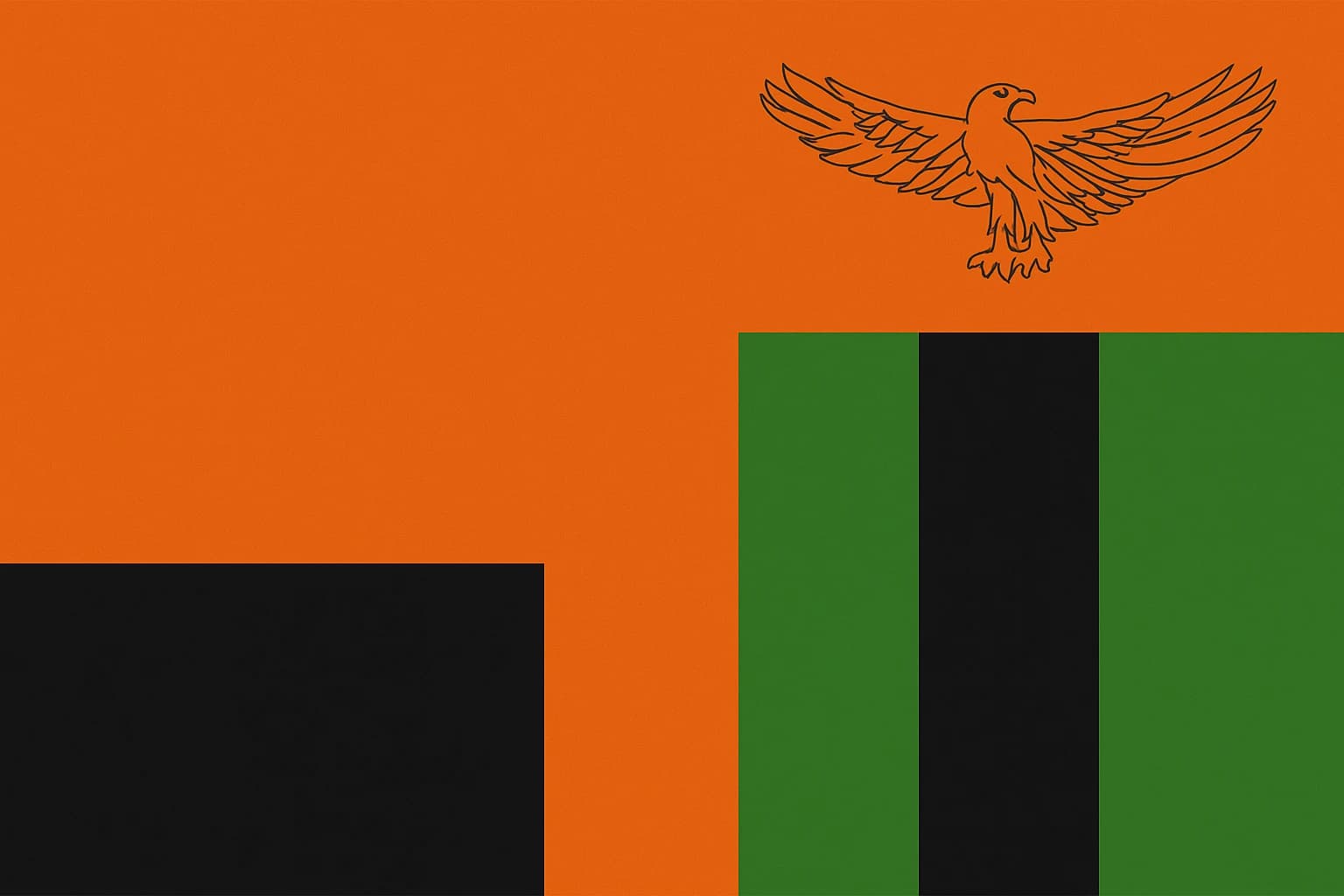
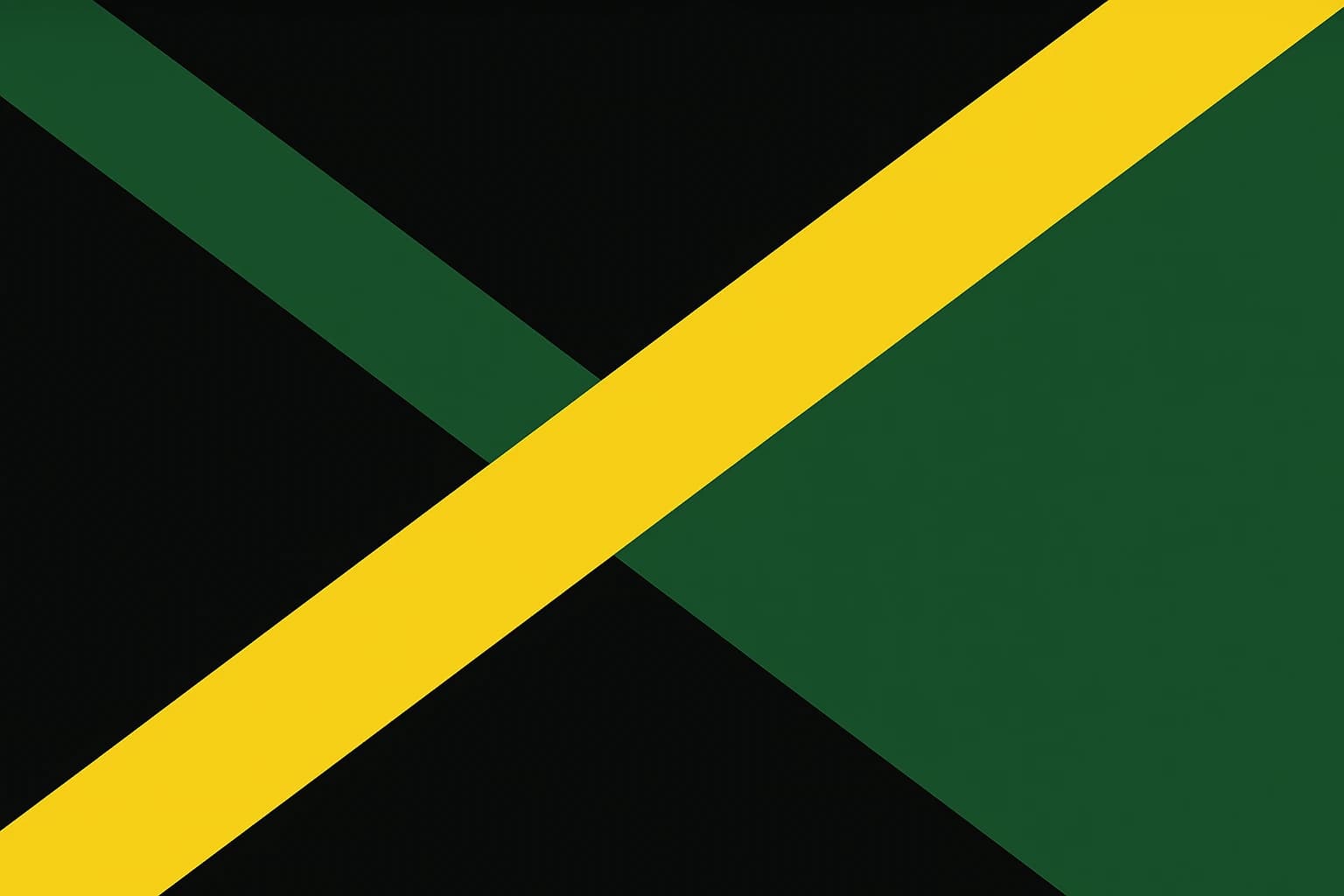
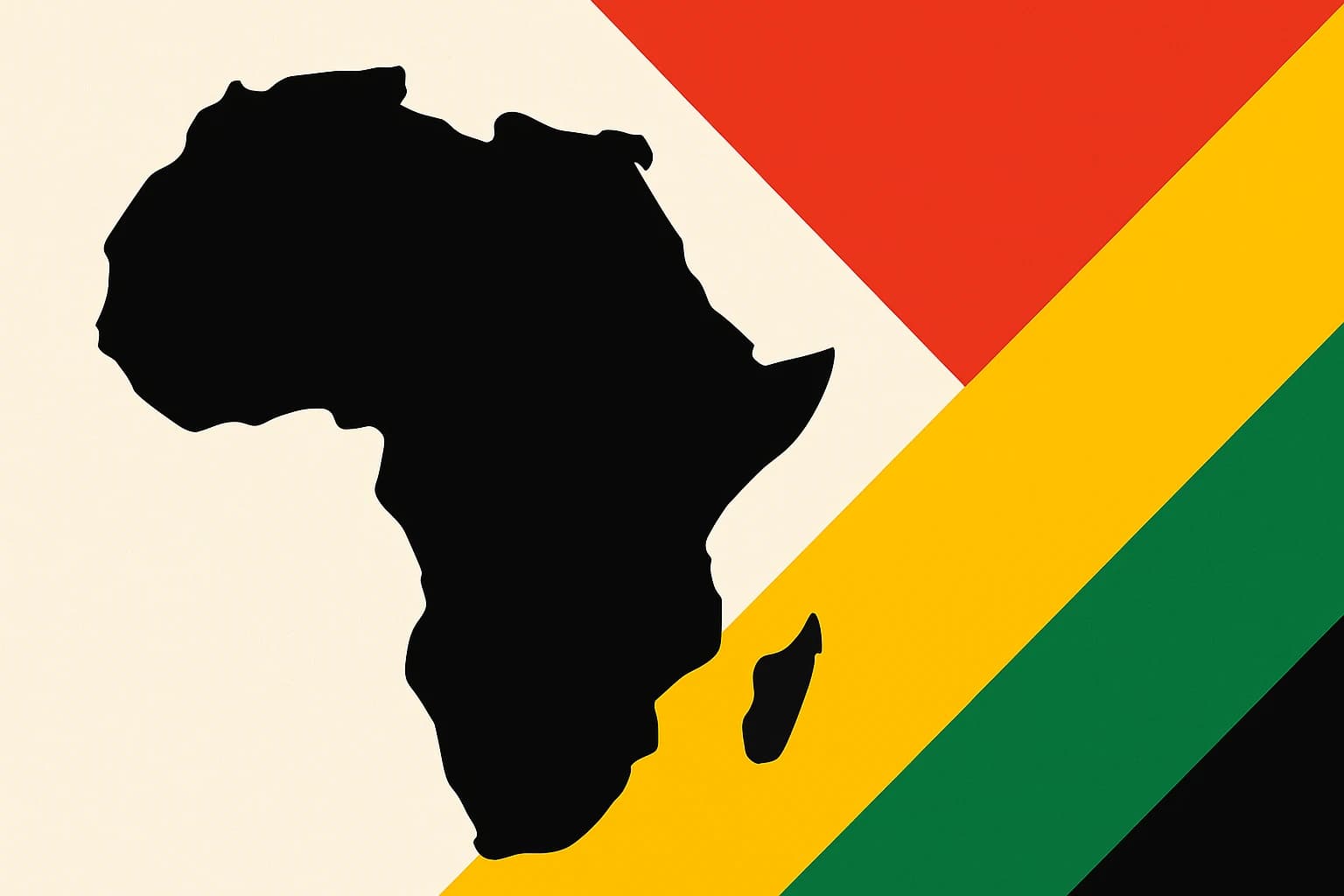
Red, green and yellow recur across the continent, usually read as the struggle for independence, hope and prosperity. The shared palette makes the family resemblance obvious, and the emblems on each flag are where the individual histories show up.
How flags got here
Flags began as battlefield markers, a way of telling at a glance where your side was. The function shifted as states did, from identifying an armed group to identifying a sovereign country, and the design conventions came along with it. That is why so many flags still look like something meant to be read across a field.
What flags do now
Flags stir emotion, which makes them useful to anyone with something to say. They appear at national celebrations and at protests against the same nation, often in the same week, and both uses are legitimate readings of the same cloth. That double function is the reason flags remain worth arguing about.