Flags of Resistance: Symbols of Rebellion From Algeria to Argentina
Why rebellions need a flag Vexillology is the study of flags, and one of the first things it makes obvious is how often a flag arrives before the coun...
The history and design of the world’s flags, written up at length.
Page 7 of 11
Showing 145–168 of 246

Why rebellions need a flag Vexillology is the study of flags, and one of the first things it makes obvious is how often a flag arrives before the coun...

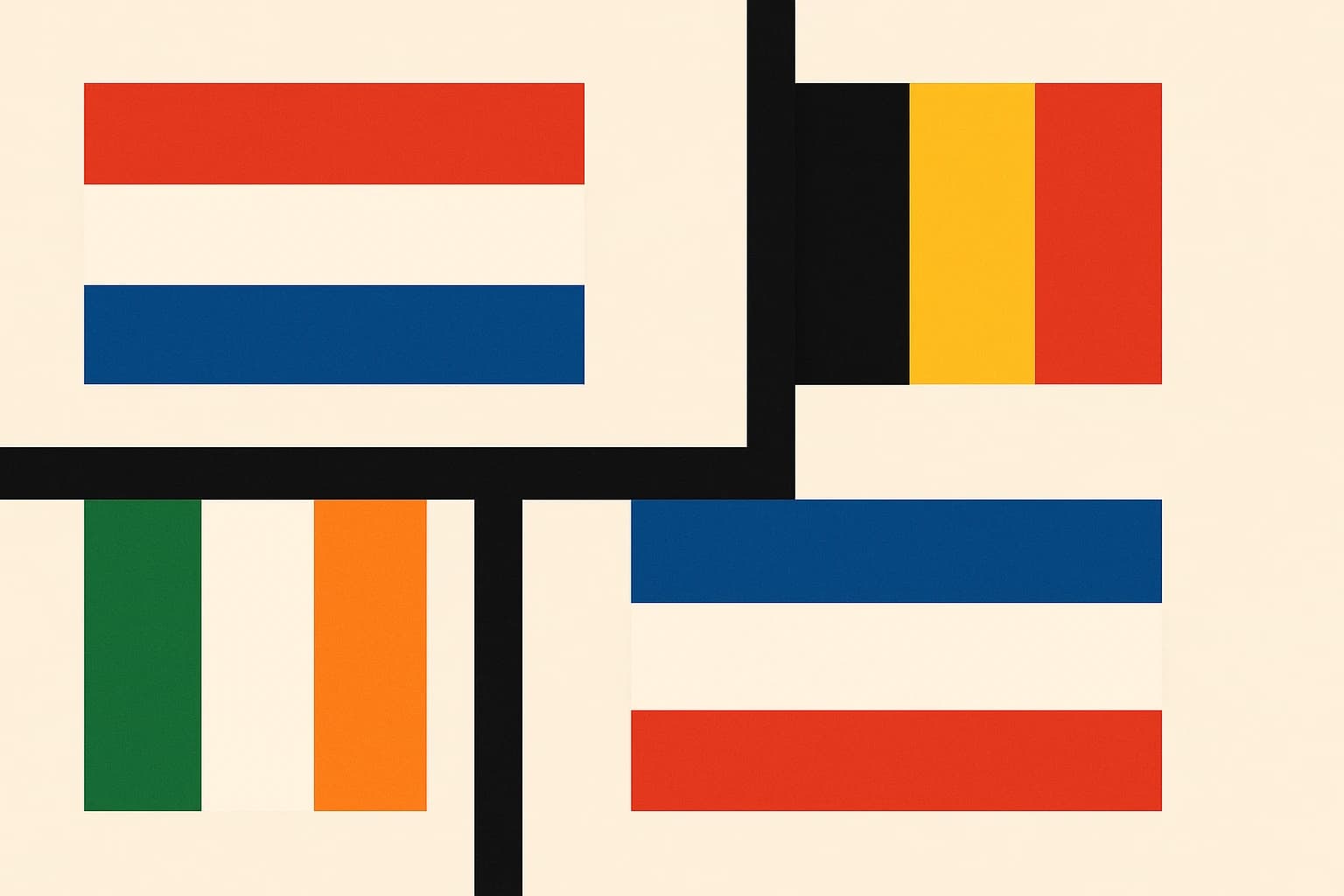
Most national flags come down to stripes, and once a designer has settled on stripes there is one decision left that everyone notices: which way they ...

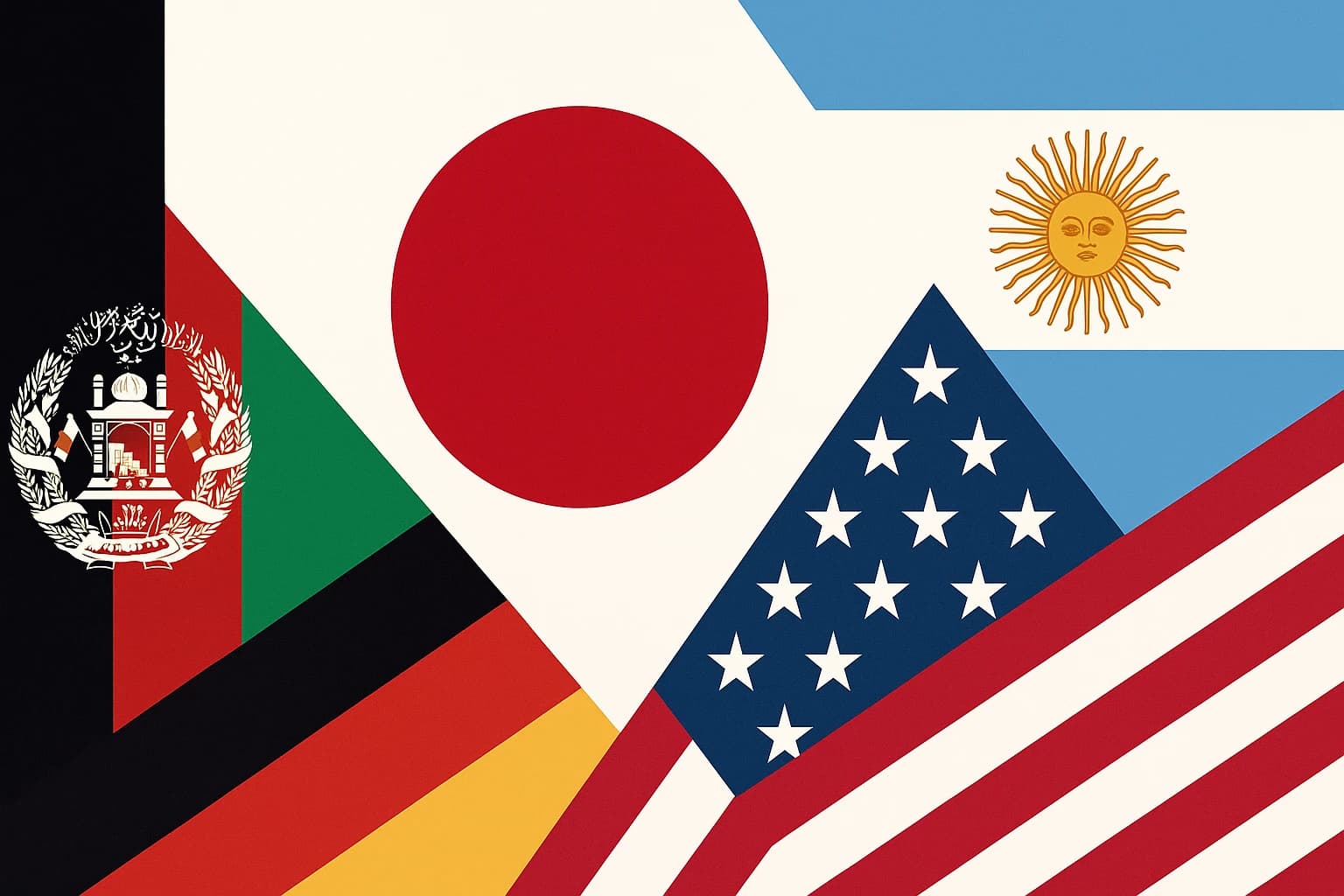
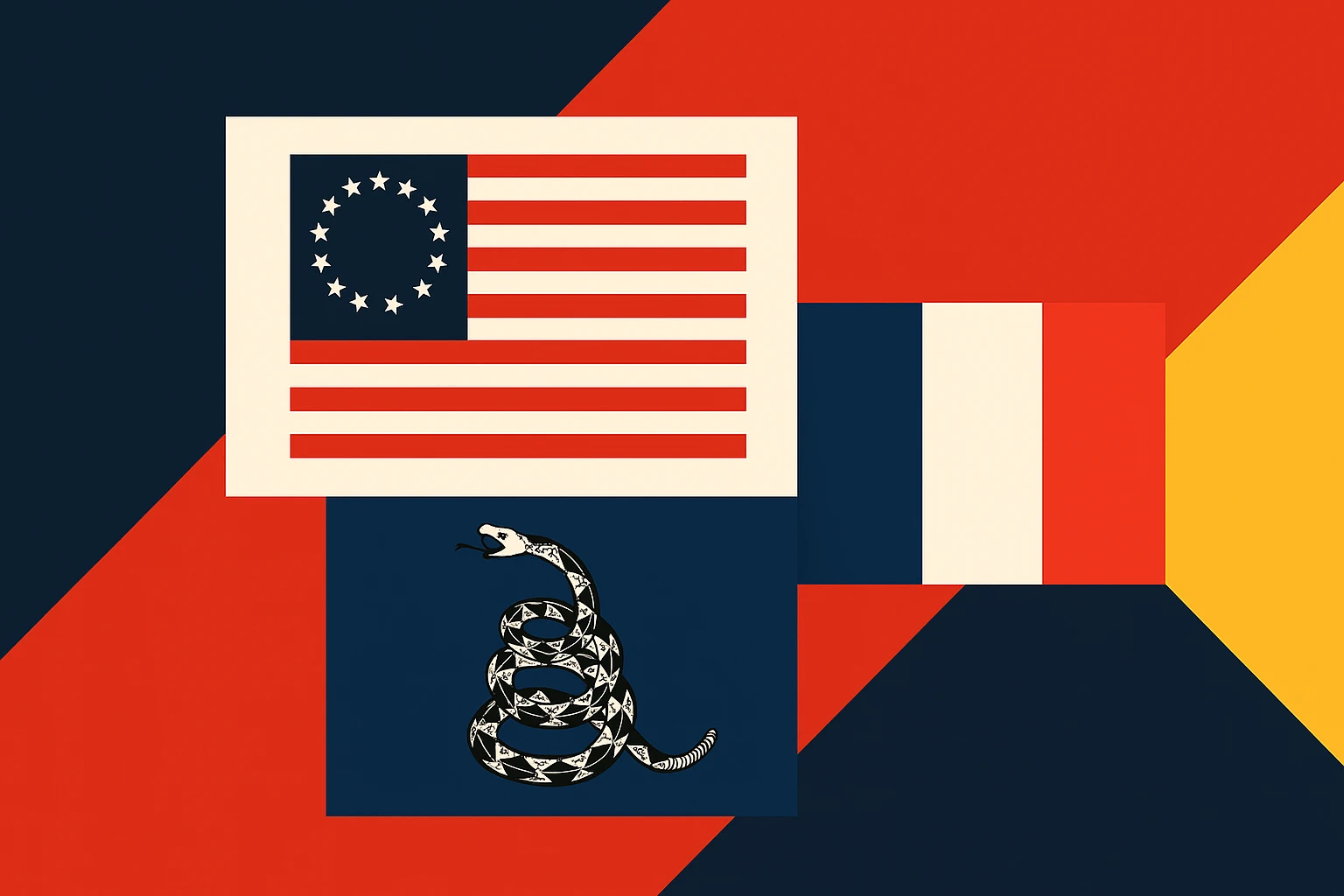
Political upheaval leaves marks on more than the history books. When a regime falls, one of the first things to change is the flag. Afghanistan and Al...

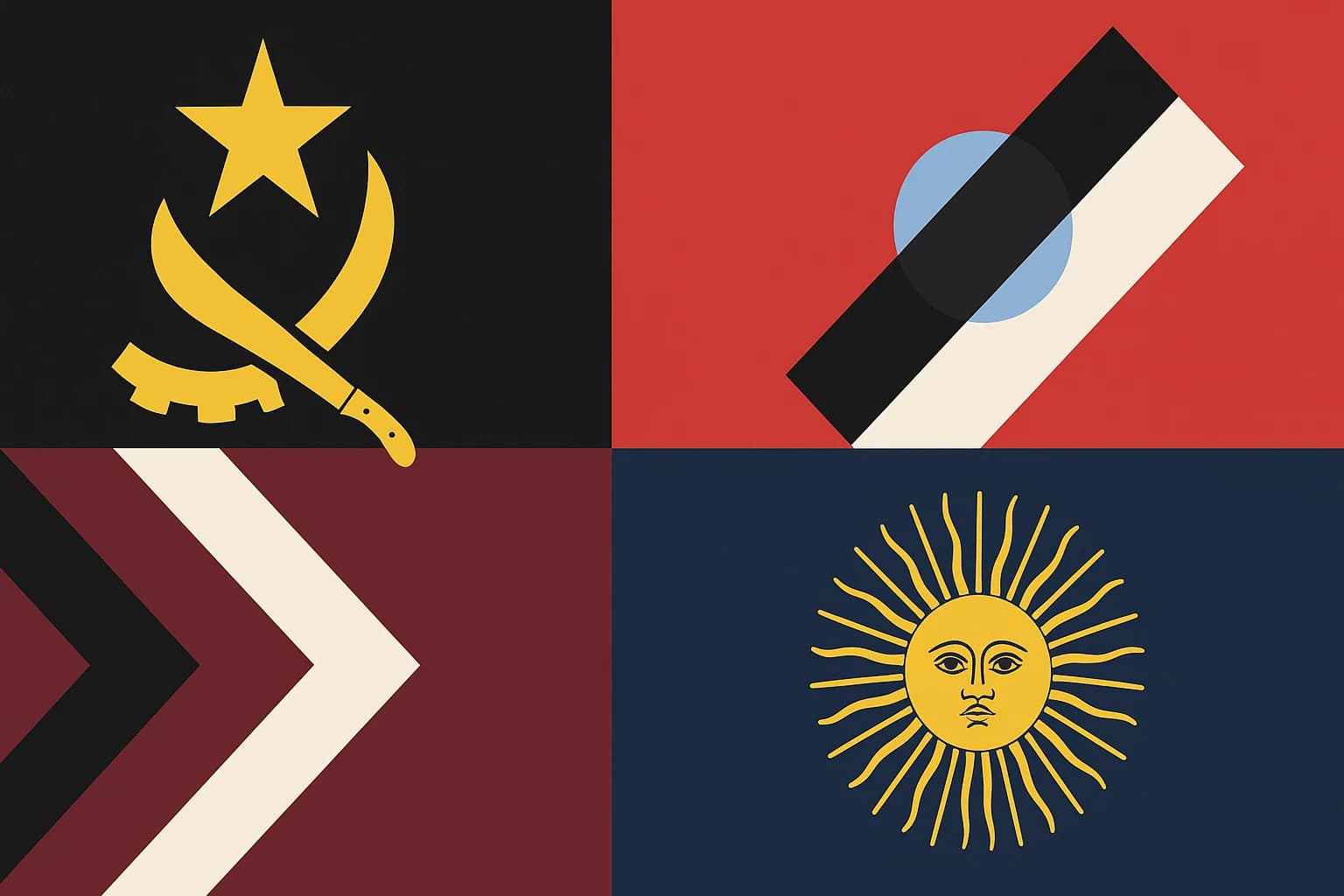
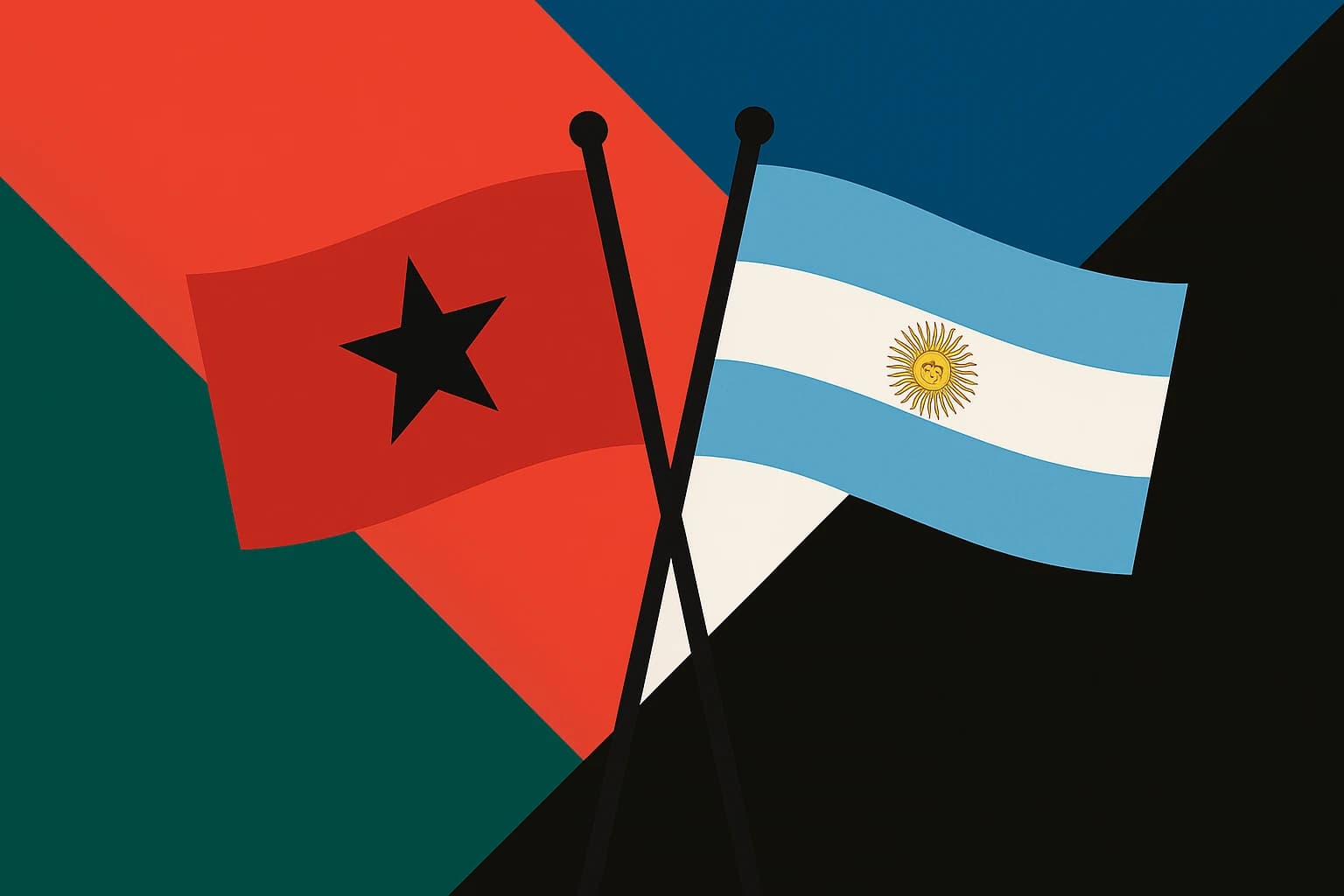
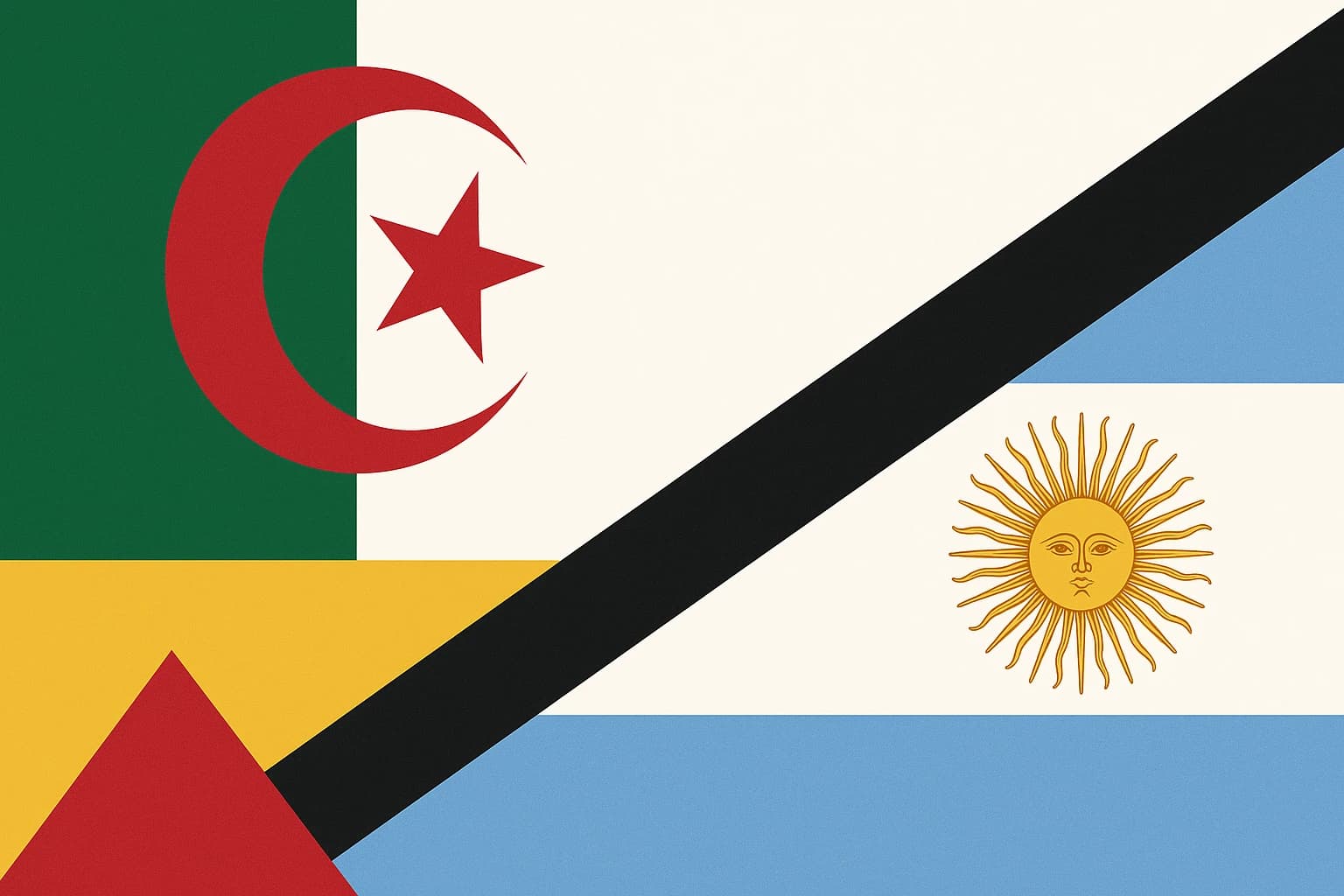
Algeria and Argentina had almost nothing in common in how they became independent, and their flags show it. One was designed in the middle of a war ag...

Most people can identify perhaps thirty flags. The rest of the world's territories are flying designs that almost nobody outside them can read, and so...

Animals turn up on national flags and emblems far more often than you would expect from pure design logic. An animal is harder to draw than a stripe a...

Vexillology, and where flags come from Flags began as battle standards and heraldic banners, which is to say they began as a way of telling friend fro...

Colonial history, written into cloth Flags carry a country's history whether or not the designers meant them to, and vexillology, the study of flags, ...

Red carries more weight in flag design than any other color, and it has carried it for a long time. Historically it has been tied to power and rebelli...

Black, red, and green turn up together on national flags far more often than chance would explain, and the reasons are almost never decorative. Two fl...

Most flags in Africa were drawn either against a colonial power or in the first years after one left. That timing shows up in the designs: a small sha...

What a flag is for when things go wrong A flag spends most of its life as a routine object on a government building. Its real function shows up in a c...

Most countries have an official account of what their flag's colors mean. Those accounts are worth reading, partly for the meanings themselves and par...

Stripes are the most common thing on a flag, and the most easily overlooked. They are simple to sew, clear at a distance, and hard to mistake for anyt...

What vexillology is for Vexillology is the study of flags, and most of it comes down to reading choices that were made deliberately. Colors get assign...

Three rules that most good flags follow Vexillology covers the design as well as the history, and the design side comes down to a short list. Keep it ...

How flags say things Vexillology is the study of flags, and much of it comes down to a small vocabulary. Color, shape, and icon are all a flag has to ...

Vexillology is the study of flags, and a fair share of it comes down to shapes. Squares tend to read as stable, circles as whole and self-contained, a...

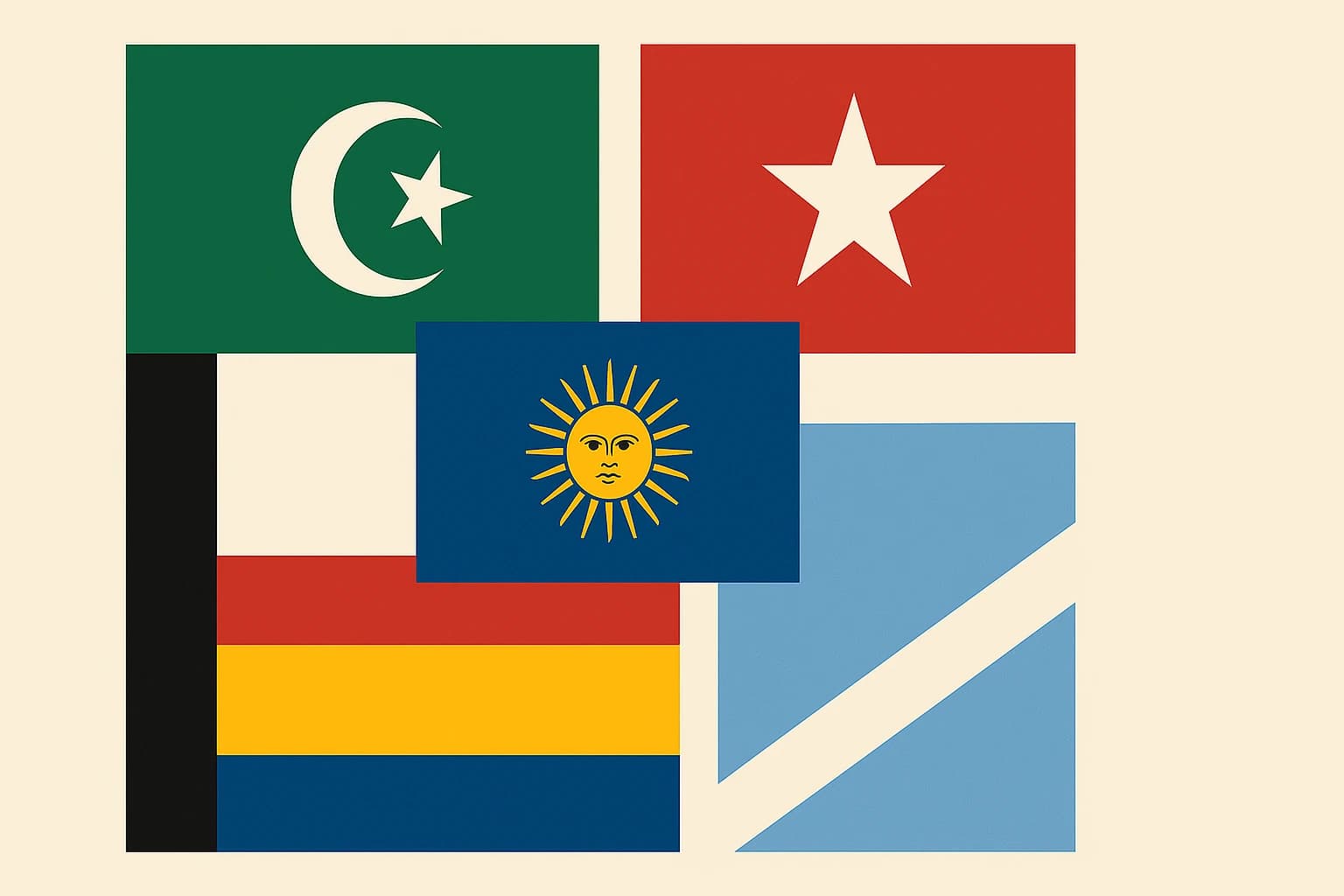
Three flags, three completely different jobs. Afghanistan's records a hard century. Argentina's records the weather and a church. Albania's records on...

What flags are asked to carry Vexillology is the study of flags, and one of its recurring findings is how much information countries try to pack into ...

Enough people treat a flag as a stand-in for the country itself that whole festivals have grown up around them, some noisy with parades, some quiet an...

Revolutions need something to march behind. A flag gives a crowd a way to recognize itself, and it gives everyone watching a way to recognize the crow...

Flags carry arguments Vexillology is the study of flags, and most of what it turns up is political. A flag has to do two contradictory things at once:...

A national flag is the loudest thing most countries say about themselves in a single image. Identity, culture, and values get compressed into a rectan...