Flags started as practical objects. They rallied armies, marked territory, and signaled alliances, and the colors on them were chosen because they carried a message someone wanted read at a distance. That practical origin is still visible in the palette most countries use.
Red tends to read as bravery or revolution. Blue tends to read as calm or loyalty. Those associations are not accidents, and they are not universal either.
The colors that turn up everywhere
Five colors dominate the world's flags. Red is the most common, covering everything from bloodshed to courage. White usually acts as peace or purity, often as the field the other colors sit on. Blue points to sky or water, and sometimes to freedom. Green attaches to land and hope, and shows up disproportionately in countries with a lot of it. Yellow suggests wealth or sunlight.
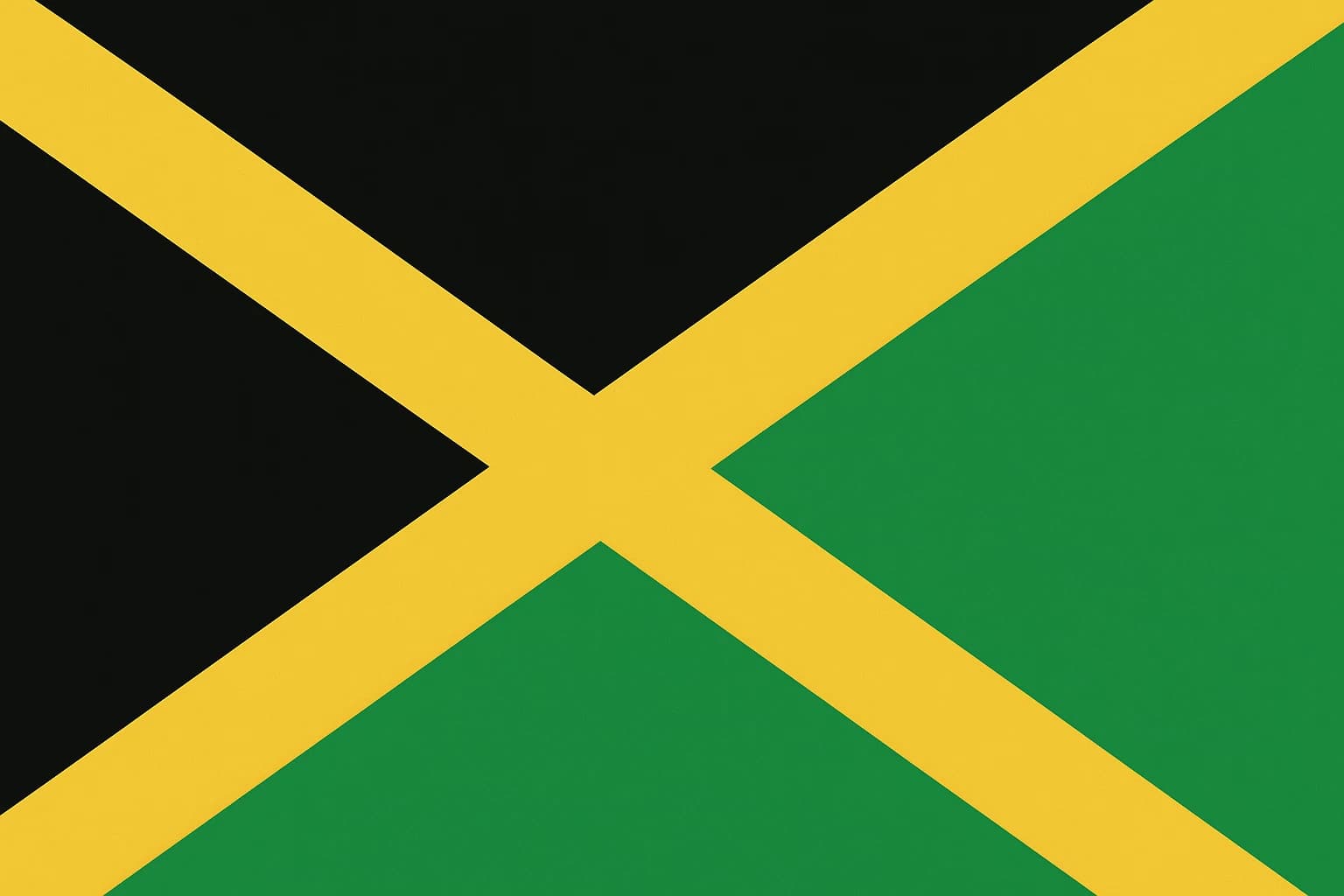
A few countries do more with less. Denmark and Japan both work with red and white alone, and both flags are unmistakable because of it. Jamaica goes the other way, using black, green, and yellow to stake out territory nobody else occupies.
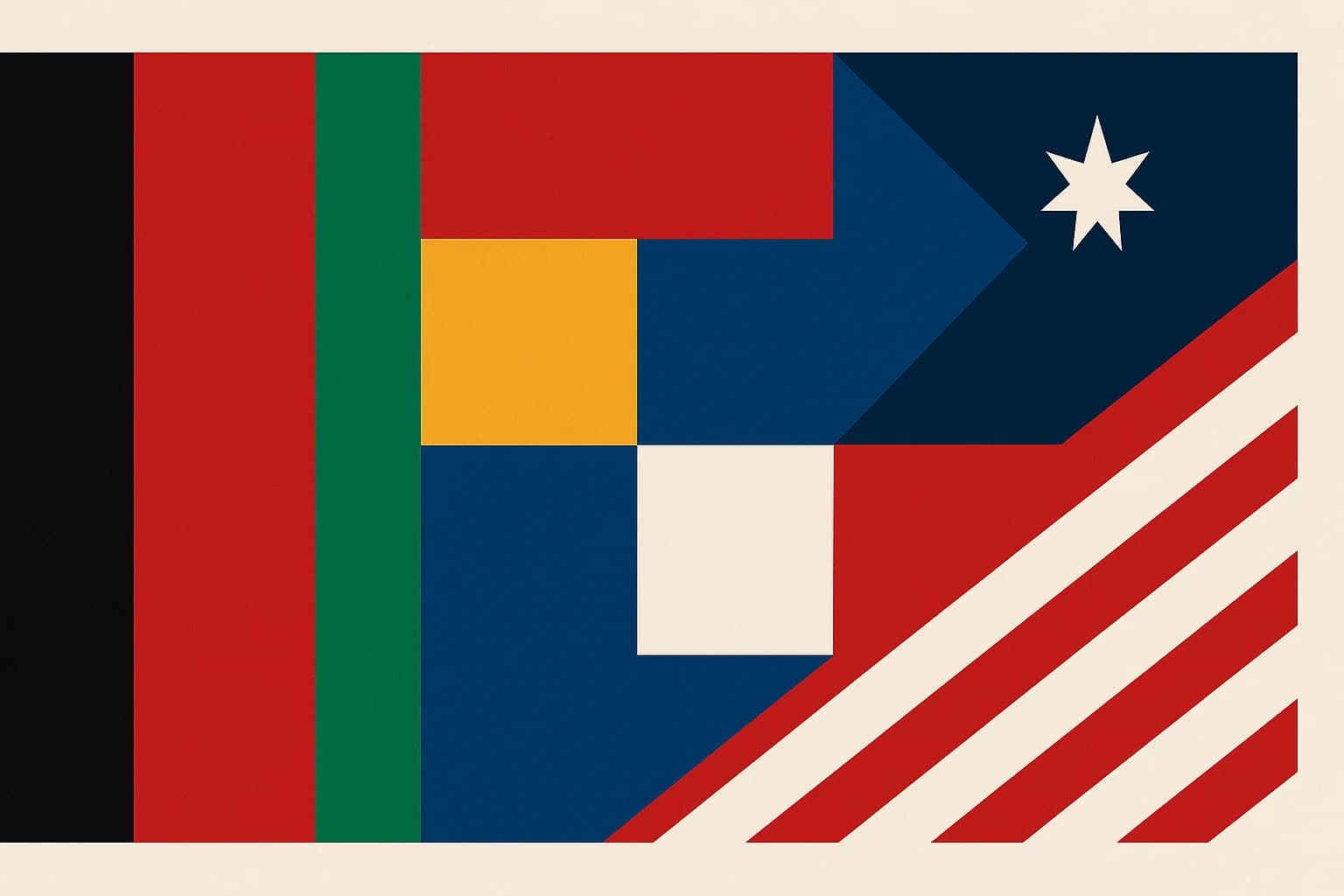
Afghanistan
Black, red, and green. The black represents oppression, a reference to the country's history. Red stands for the blood shed in battles for independence. Green signifies hope and development.
Afghanistan's flag has changed repeatedly, tracking shifts in governance, which makes the current design as much a record of instability as of any single set of values.
Australia
Blue, red, and white. The blue reflects the oceans around the country. White carries peace. Red is read as a reference to Indigenous heritage.
The Union Jack in the canton ties Australia to its colonial past, and it is the element that keeps the flag politically live. Arguments about representation on the flag surface regularly.
Three more worth reading
Brazil combines green, yellow, and blue for its forests and the wealth in them.
Jamaica's diagonal cross was designed as a declaration of independence.
Italy uses green, white, and red, a nod to hope, faith, and charity.
How flag colors change
Flags shift with politics. The French Revolution set off the tricolor trend across Europe, and the format spread because it was legible as a statement about liberty before anyone read the specific colors.
A change of government usually brings a change of flag, with hues and symbols adjusted to fit the new ideology. What survives those changes tends to be whatever the population already recognizes.