Flags: Symbols of National Identity
Flags are more than just pieces of fabric flapping in the wind. They're vibrant emblems of a nation's identity, history, and aspirations. By examining the stories behind national flags, particularly those of Algeria and Angola, we uncover how these symbols have evolved through independence struggles. They reveal themes of power, identity, and resilience. Fascinating, isn’t it?
The Power Behind the Fabric
Flags visually represent nations, fostering unity and national pride. Throughout history, they've played crucial roles in revolutionary contexts.
Think of a flag as a country’s identity card. It tells stories of who its people are and where they came from. In times of revolution, flags become even more significant. They unify and inspire citizens in their struggle for freedom.
Algeria: Revolution Embodied in Fabric
The Algerian flag is a symbol born from struggle. Its design is packed with meaning, echoing Algeria's journey to independence from French colonial rule. The green represents Islam, the dominant religion. The white signifies purity, while the star and crescent reflect the unity of the nation under Islam.
During the Algerian War of Independence, this flag was more than a symbol. It was a beacon of hope and resistance.
The Flag of Algeria
View Flag →Angola: An Emblem of Liberation
Angola's fight for liberation from Portuguese rule was long and arduous. The Angolan flag reflects this journey with powerful symbolism. The red and black represent the bloodshed for independence and Africa’s rich soil. The machete and gear symbolize agricultural workers and industry, essential elements in shaping the country's future.
This flag served not just as a symbol of resistance but also as a unifier of diverse ethnic groups within the nation, promoting national pride.
The Flag of Angola
View Flag →Comparing Design Stories
When we put Algeria and Angola side by side, similarities and differences in their flag designs become evident. Both bear elements reflecting their colonial pasts and aspirations for identity. Yet, each tells a distinct cultural story.
Flags often embody a struggle against colonialism. While Algeria's uses color for symbolism linked to faith and purity, Angola emphasizes its economic aspirations and collective identity.
Flags in Modern Times
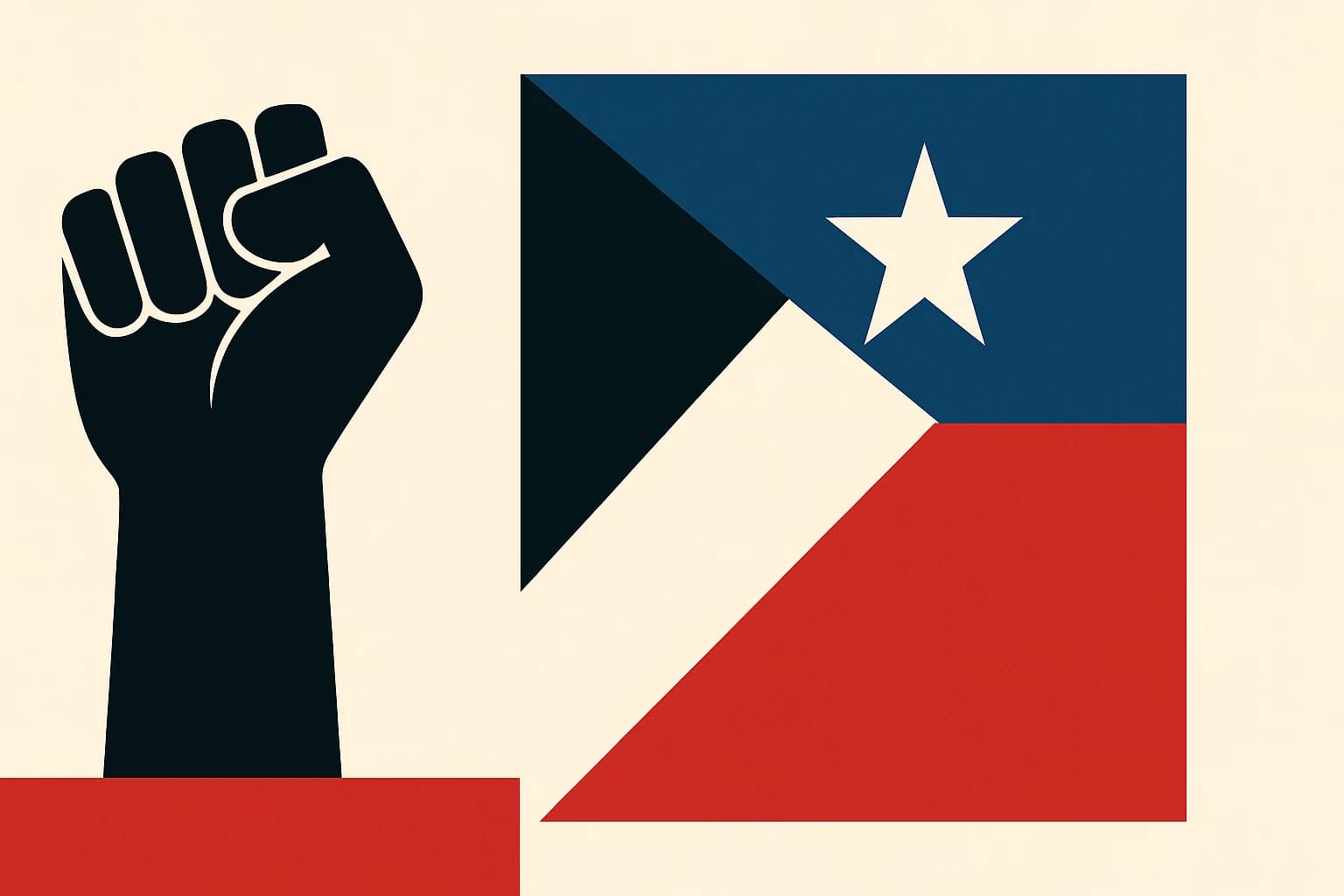
In today's interconnected world, flags serve as tools for diplomacy and international recognition. They continue to evolve, adapting to modern movements for social justice and independence. Have you noticed how they're used in protests and international events?
Even global movements incorporate flags, signifying the ongoing relevance of these symbols.
Looking Ahead: The Next Chapter for Flags
What does the future hold for national symbols? Trends suggest shifting designs and symbolism reflecting public sentiment. Future generations might reinterpret traditional flags, forging new identities.
New designs may incorporate technology or environmental elements. Imagine a flag with digital features or one made entirely from sustainable materials.
Conclusion
National flags capture a nation's journey toward independence and identity. By exploring Algeria and Angola's flags, we understand stories of struggle and hope. These symbols remain vital in shaping national consciousness. As we look forward, flags will continue to reflect countries' evolving values and aspirations. They remind us where we've been and where we're going, grounding us amid the changes and challenges of an ever-shifting world.