Political upheaval leaves marks on more than the history books. When a regime falls, one of the first things to change is the flag. Afghanistan and Algeria show the two ways this tends to go: a flag that changes with every government, and a flag forged in a single war and left alone ever since.
What a flag is doing
Vexillology, the study of flags, treats them as compressed political arguments. Colors and shapes are conventional rather than natural. Red can mean resilience or revolution. A star can mean freedom or aspiration. Which one it means depends on who put it there and when. So when a new government wants to redefine or reaffirm the national story, redrawing the flag is the cheapest and most visible way to do it.
Afghanistan: a flag for every regime
Afghanistan's flag has changed more often than almost any other in the world.
Monarchy, republic, communist rule, Taliban governance: each brought its own design. These were not decorative changes. Each new flag declared the ideology that had just taken power, and each one asked citizens to recognize a different version of their own country.
Algeria: one flag, one war
Algeria's flag came out of the War of Independence and has stayed put.
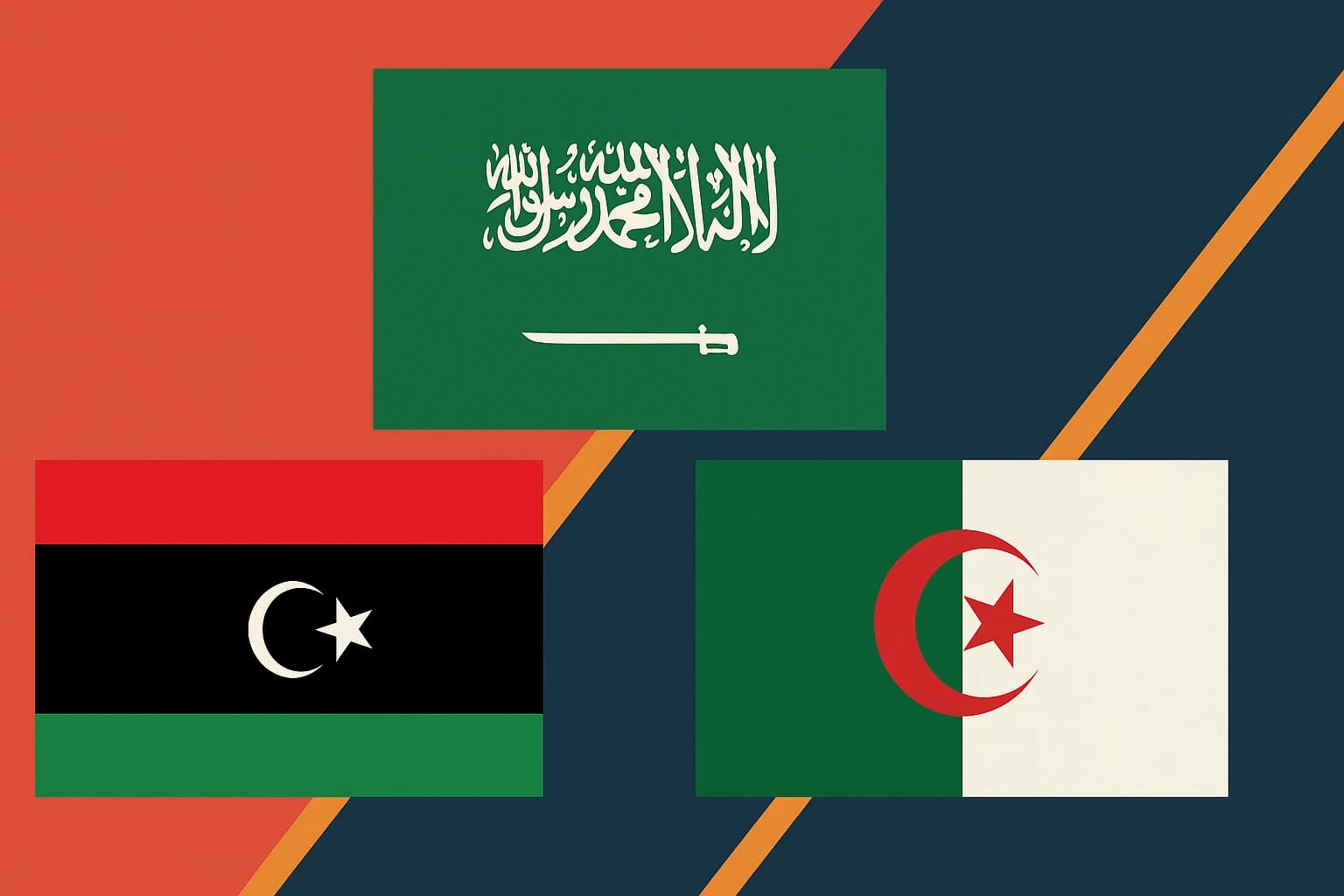
Before independence, the flags flown over Algeria reflected colonial rule. The current design does the opposite: green for Islam, white for peace, and a red star and crescent for the blood of those who fought. It fixes a single moment rather than tracking the governments that came after it.
Three other paths
Iraq redrew its flag several times as its politics shifted.
France kept the tricolor from the revolution onward, though what it stood for shifted as the country moved between monarchy and republic.
South Africa adopted an entirely new flag in 1994, after apartheid.
How a new flag actually gets made
Redesigning a national flag usually runs through four stages: historical and cultural research, a round of proposed designs, public consultation, and formal adoption. The third stage is the one that has grown. Recent redesigns have given citizens far more say than earlier ones did, which makes the process slower and the result much harder to argue with afterward.