The colors on a national flag are rarely arbitrary. They usually come from a historical motif, a religious tradition, or a value the founding generation wanted on record, and the official explanations that accompany them are worth reading closely, because they tell you what a state wants to be seen believing.
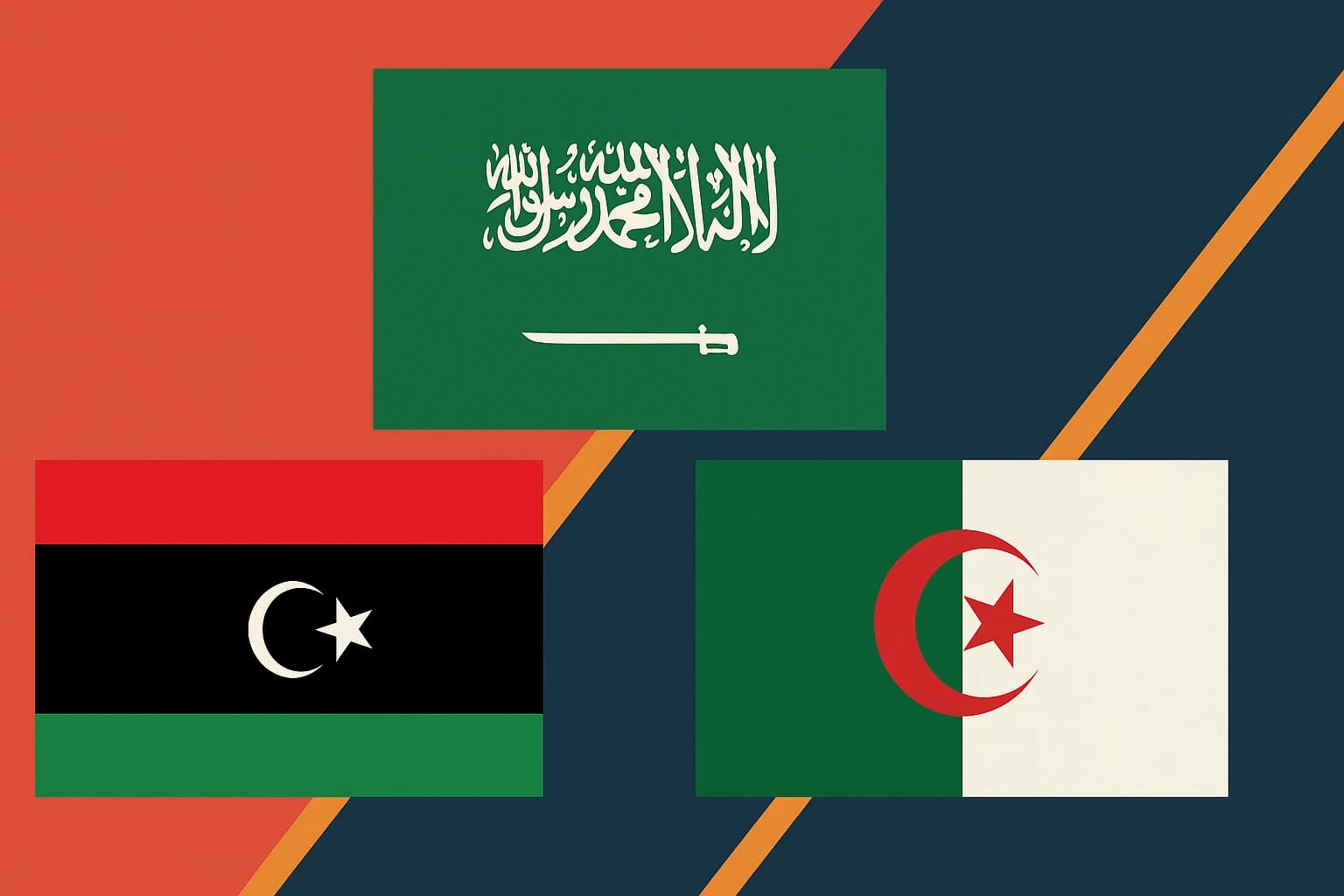
Algeria: green and white
Algeria's flag runs on two colors, each with a stated meaning.
Green represents Islam and stands for prosperity and hope. The color is revered across Islamic cultures for its association with paradise. White stands for peace and purity, a reading tied to Algeria's long struggle for independence.
Argentina: sky blue and white
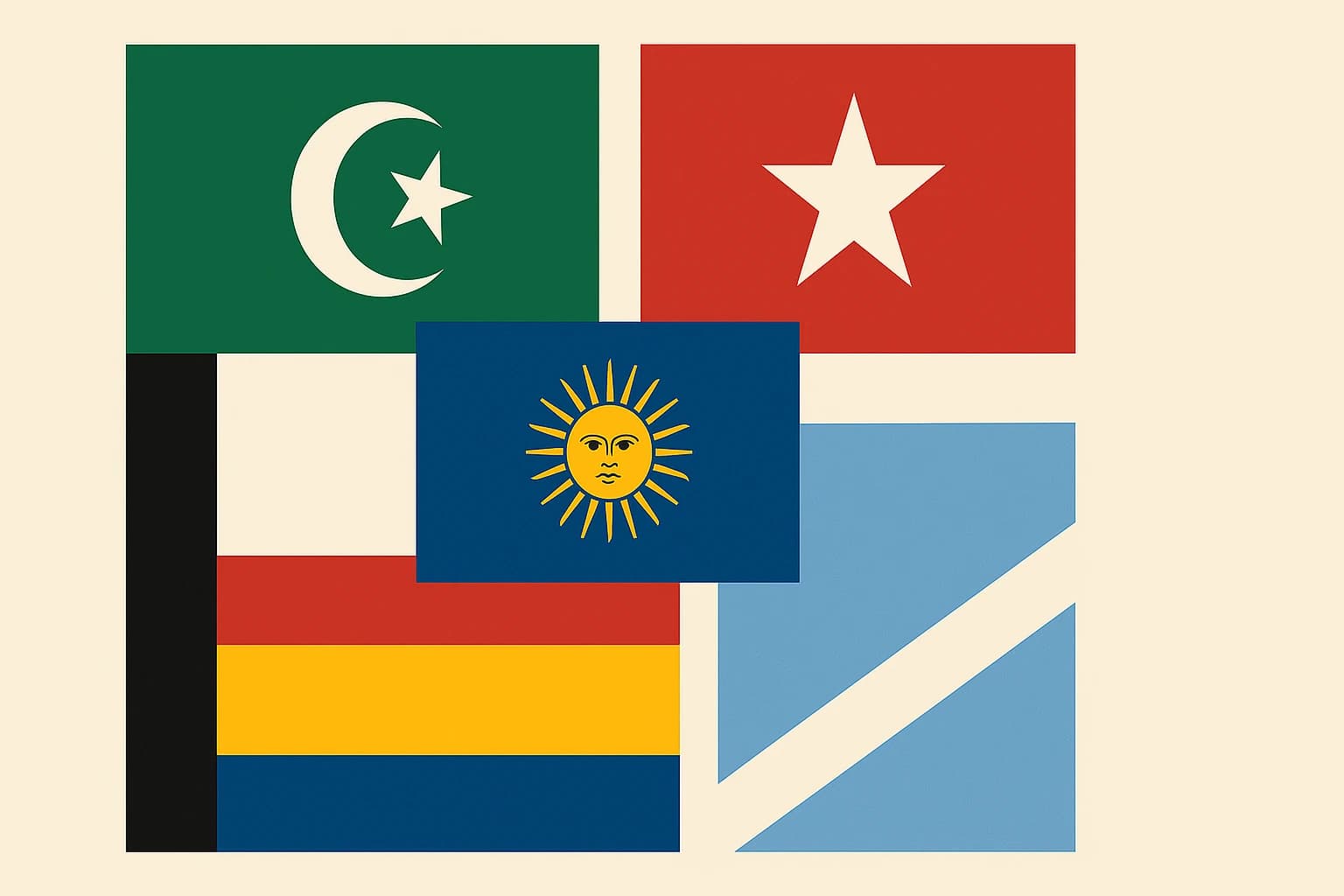
Argentina's palette comes from the natural world rather than from religion. The sky blue and white represent the sky and clouds, and the official reading attaches hope and freedom to them.
The Sun of May at the center gestures toward Incan mythology, carrying meanings of liberty and the divine. The combination connects present aspirations to older roots without spelling either out.
Three more from the region
Morocco pairs red and green for royalty and Islam.
Chile draws on the clear blue sky and the Andes for its star and band design, with glory and courage as the stated values.
Paraguay is the outlier, using a dual-sided design that carries symbols of the treasury on one face and liberty on the other.
What vexillology adds
Vexillology, the study of flags, examines design and symbolism together. Much of the field's critical work asks whether a flag actually communicates a clear identity, or whether the design is doing less than the official explanation claims.
Globalization and cultural exchange have influenced flag design in recent decades, and several countries have updated their flags to reflect that. Those changes tend to provoke arguments about cultural identity and tradition, which is a reasonable sign that the colors were never decorative in the first place.