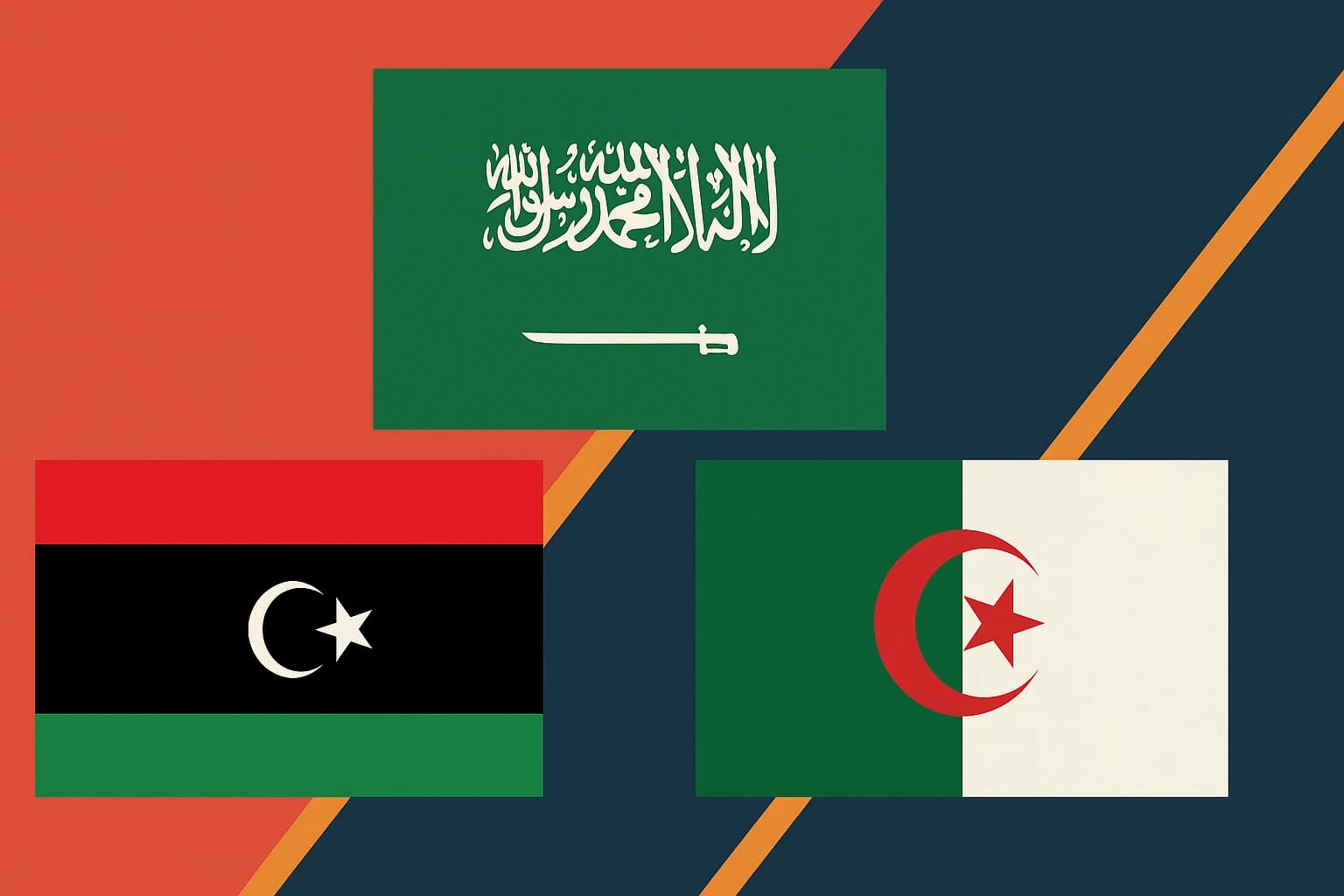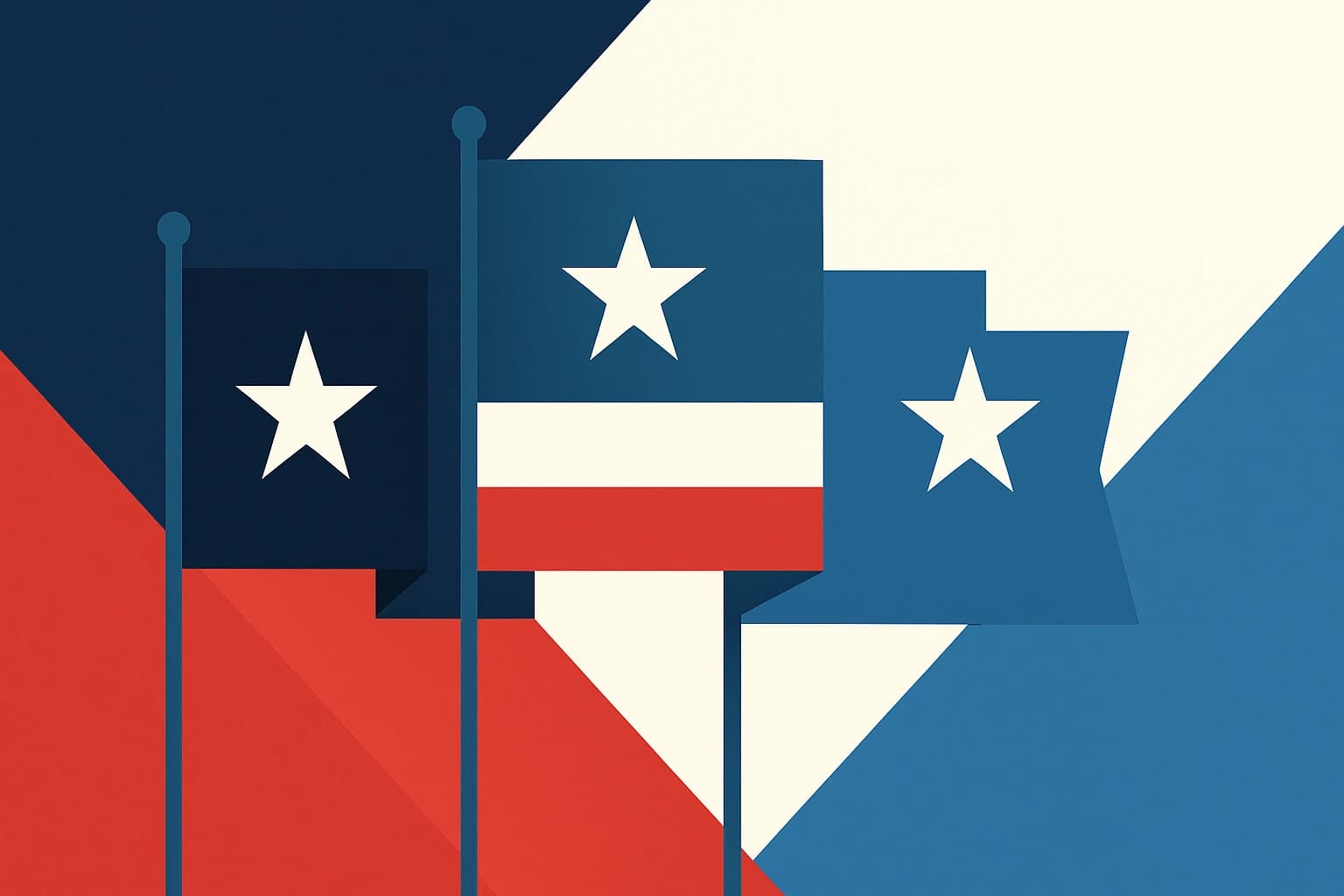
Flags change when countries do. Wars, revolutions and independence movements all leave marks on the design, because a change in who holds power is usually followed by a change in what the state wants to look like. New countries especially: a fresh flag is one of the first things a new government produces, and it has to assert an identity that may only be a few weeks old.
Afghanistan and Chile show two versions of that process, one turbulent and one comparatively settled.
Why the design matters
A flag is the visual form of national identity, which is why it shows up wherever a country has to represent itself to others. The Olympics, diplomatic meetings, treaty signings: in each case the flag stands in for the state, and everyone present reads it the same way.
That reliability is exactly what makes redesigning one difficult.
Afghanistan
Afghanistan's flag has passed through many forms, from royal emblems to the current design. The Soviet invasion and the period of Taliban rule both drove changes, and each phase left colors or symbols behind.
The present flag uses black, red and green stripes with the national emblem. Read against that history, it is less a statement of confidence than a record of what the country has come through.
Chile
Chile's flag moved from colonial emblems to a design tied to independence. The War of Independence and the civil wars that followed shaped what it became.
The star is read as guidance and honor. The red, white and blue are read as sacrifice, peace and the sky. It is a simple flag with a complicated origin, which is the usual arrangement.
Elsewhere
South Africa's post-apartheid flag was designed to hold a divided country's history in one image. The Stars and Stripes changed shape repeatedly as the union grew, with the star count following the map. Plenty of other flags carry similar records of a specific upheaval.
Reading flags as evidence
Vexillology treats these changes as source material. Comparing successive versions of a flag shows which symbols a government wanted to keep, which it dropped, and how quickly, and that often maps onto political history more precisely than an official account does.
Now
Flag design is still political. Movements push for redesigns, public opinion shifts about what an existing flag represents, and countries periodically reopen the question of whether their emblem still describes them.