When a government falls, the flag usually goes with it. That is the simplest rule in vexillology and it holds across wildly different circumstances: revolutions, independence wars, negotiated transitions. Algeria and Afghanistan are useful opposite cases, one flag that has barely moved since independence and one that has been redrawn again and again.
What a flag is doing in the first place
A flag is a country's signature. It gets waved at football matches by people who spend the rest of the game shouting at each other, which is roughly the point: it names something larger than the argument in progress. The colors and patterns usually encode a specific historical moment, a revolution or an independence, rather than a general mood. Vexillology, the study of flags, is mostly the work of decoding which moment.
Algeria
France ruled Algeria for over a century. The Algerian War of Independence, from 1954 to 1962, ended that, and the flag comes out of the war.
The colors are assigned: green for Islam and for the country's agricultural wealth, white for peace, red for the blood of those who fought. Since independence the flag has stayed essentially unchanged, which is itself a statement. The founding moment has not been revised.
Afghanistan
Afghanistan has had the opposite experience. Its history runs through tribal kingdoms, foreign invasions and repeated regime change, and the flag has been redesigned more often than almost any other.
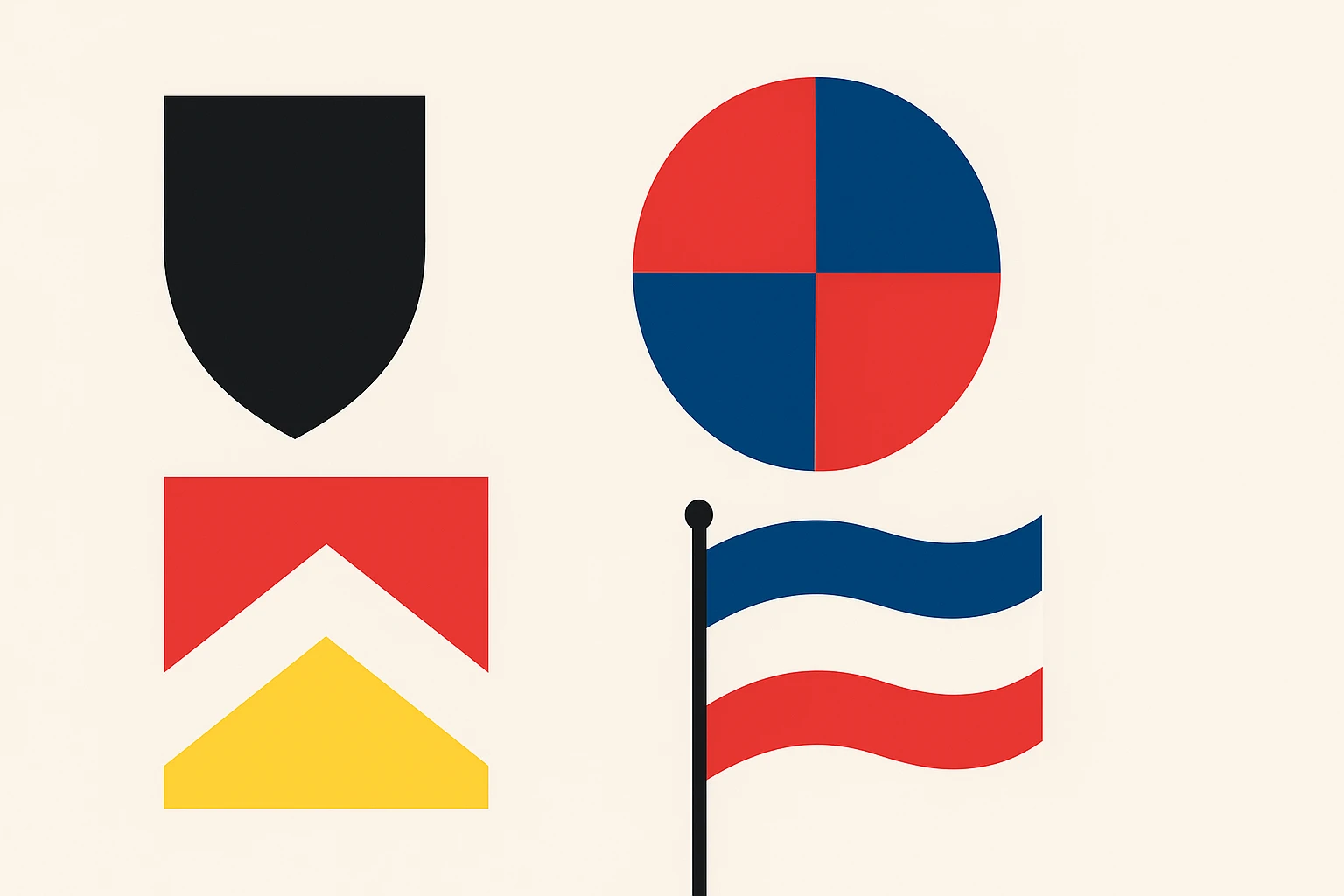
The versions track the political sequence: monarchy, republic, communist rule, Islamic state. The current design uses black for the past, red for the blood of martyrs, and green for hope and prosperity.
Redesign as political signal
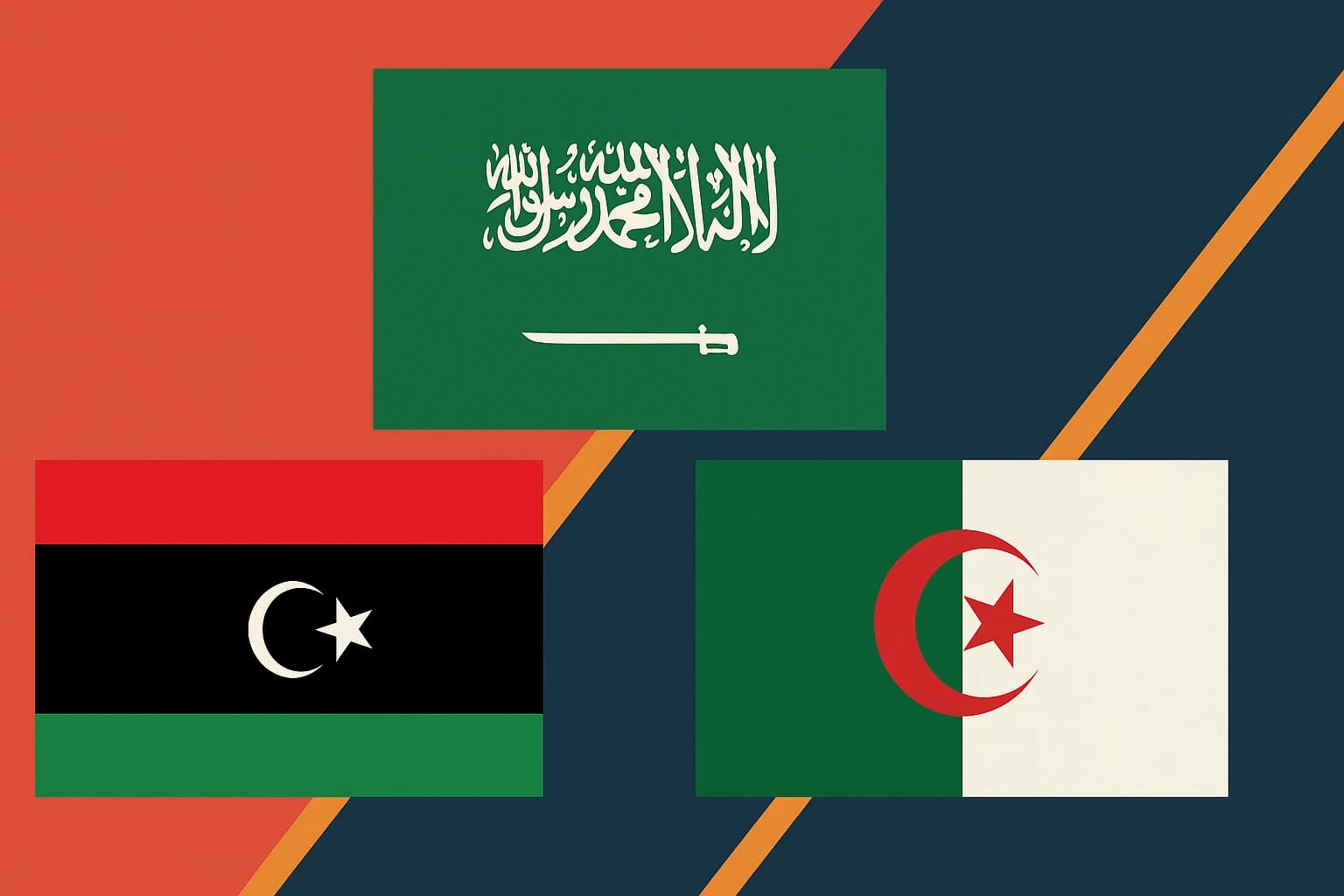
Flags change when leadership does, and the change is usually the message. Libya reverted to its pre-Gaddafi flag after the 2011 revolution, using an older design to say that the intervening decades were the aberration.
South Africa took the other route and designed something new after apartheid, a flag meant to work for reconciliation rather than to restore a previous order.
Neither approach is obviously better. Restoring an old flag claims continuity with something that was interrupted. Designing a new one admits that nothing usable survived.
Why people argue about it
Flags carry more feeling than their design warrants, which is why redesigns get resisted. The same flag can rally a country and split it, depending on who is holding it. Protest movements have always understood this, and a flag turning up at a demonstration can signal either support for the state or a claim that the state has forfeited it.