Fierce Colors: The Psychological Impact of Flag Colors Across Cultures

Fierce Colors: The Psychological Impact of Flag Colors Across Cultures

Adam Kusama
|
|
3 min read

Introduction

Flags aren't mere pieces of fabric fluttering in the wind; they are powerful symbols imbued with colors that convey stories, emotions, and identities. Throughout various cultures, the colors on flags have psychological implications that go beyond aesthetic choices. Why is red so bold in places like Algeria and Afghanistan? What do the tranquil blues of the Bahamas and Belize whisper to the world? Understanding these vibrant palettes enriches our appreciation for vexillology and cultural symbolism.

The Psychology of Color in Flag Design

Color psychology is big in design because colors influence our emotions, perceptions, and actions. Bold hues like red and blue aren't random; they are chosen for their ability to evoke specific feelings. Across cultures, these colors play unique roles in shaping identity and representation.

For nations, selecting colors isn’t just about aesthetics but about conveying a shared sense of identity.

Bold Reds: Passion and Power

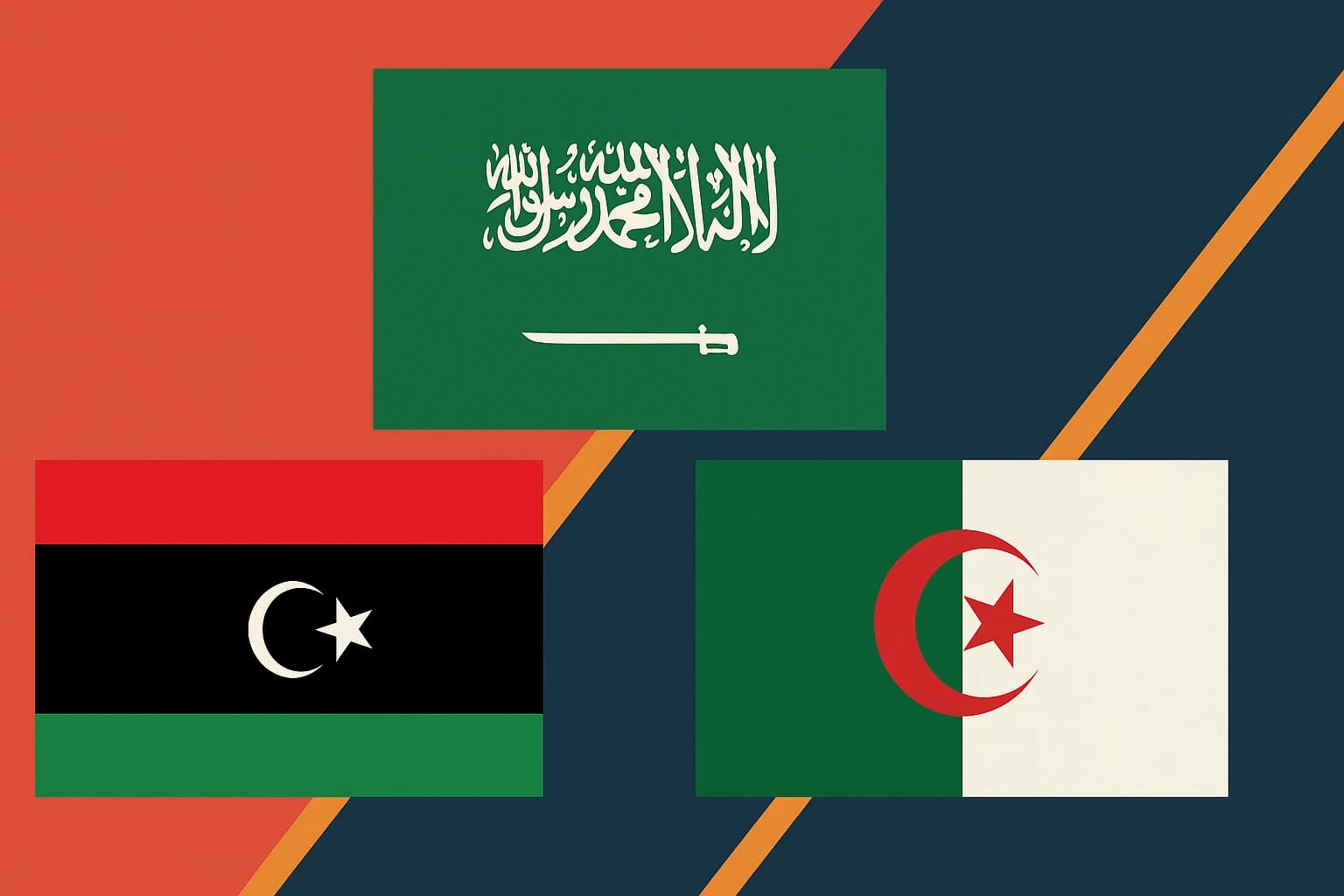
When you see the color red, think of energy, bravery, and resilience. Look at Algeria and Afghanistan, where red takes center stage:

The Flag of Algeria
The Flag of Algeria
View Flag
The Flag of Afghanistan
View Flag

In these flags, red represents courage and sacrifice. Take China's flag as another example, where red embodies revolution and unity.

The Flag of China
The Flag of China
View Flag

Canada also uses red as a symbol of sacrifice and historical ties.

The Flag of Canada
The Flag of Canada
View Flag

Calming Blues: Peace and Stability

Blue flags bring a sense of serenity. The Bahamas and Belize fly flags that radiate peace and trust.

The Flag of the Bahamas
View Flag
The Flag of Belize
The Flag of Belize
View Flag

Think about how these shades soothe and calm. Contrast that with Ukraine, where blue symbolizes freedom and the sky, or Argentina's flag where it signifies the sky and the ritual of hope.

The Flag of Ukraine
The Flag of Ukraine
View Flag
The Flag of Argentina
View Flag

The Power of Yellow and Green: Optimism and Growth

Yellow, found in Brazil and Germany’s flags, often signifies wealth and energy.

The Flag of Brazil
The Flag of Brazil
View Flag
The Flag of Germany
The Flag of Germany
View Flag

Green, on the other hand, pulls in ideas of nature and hope. Look at Mexico and Libya:

The Flag of Mexico
The Flag of Mexico
View Flag
The Flag of Libya
The Flag of Libya
View Flag

These colors add balance to the more intense hues, contributing to a unified representation.

Cultural Variations in Color Interpretation

Did you know color perceptions vary widely across cultures? In Japan, white embodies purity and truth, while to Western cultures, it often symbolizes peace or surrender. Historical events and traditions heavily influence these perceptions.

The Emotional Connection: Flags in National Identity

Flags stir national pride and collective memory. Colors evoke shared histories and strengthen unity. Think of how colors like red and blue have rallied people in movements, fostering identity even across diverse cultures.

Future Trends in Flag Design: Creating Meaningful Symbols

Modern theories in color are reshaping flag design. New trends favor minimalistic and meaningful color choices that will continue echoing psychological principles. Who knows what future flags might look like?

Conclusion

Flags and their colors tell stories of courage, peace, nature, and hope. They are powerful symbols that unite people and relay cultural narratives. As we journey forward, blending tradition with new design insights, flags continue to speak the vibrant language of colors, forging connections across the globe.

A

About the Author

Adam Kusama is a contributor to FlagDB, sharing knowledge and insights about flags from around the world.

Continue Reading

View All Articles