The Symbolism Behind the Flags of Northern Africa: A Closer Look at Algeria, Morocco, and Tunisia

The Symbolism Behind the Flags of Northern Africa: A Closer Look at Algeria, Morocco, and Tunisia

Adam Kusama
|
|
4 min read

Introduction

The flags of Algeria, Morocco, and Tunisia flutter with a blend of colors, symbols, and designs that narrate historical tales and showcase cultural pride. These flags are more than fabric; they are rich stories of identity that reveal a glimpse into the vibrant heritage of Northern Africa. Let's explore the fascinating stories of these flags and the deep meanings they carry.

The Flag of Algeria: A Blend of History and Identity

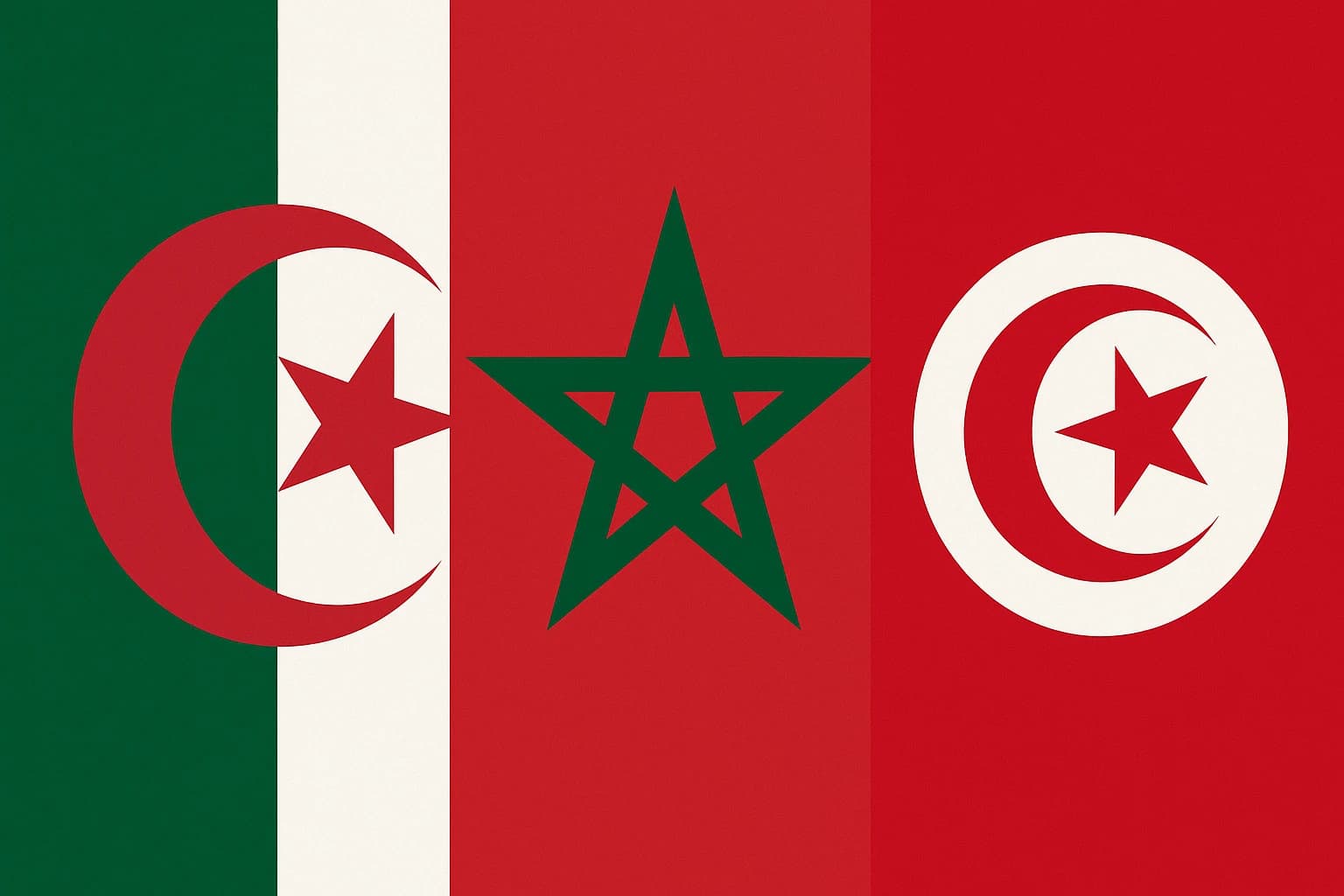
Algeria's flag is a masterpiece of symbolism, featuring green, white, red, and a crescent with a star.

The Flag of Algeria
The Flag of Algeria
View Flag
  • Colors and Symbols: The green represents Islam, the dominant religion, while the white stands for peace and purity. The red color symbolizes the sacrifices made during the struggle for independence.
  • Historical Context: The impact of French colonization is felt deeply in Algeria, and it plays a critical role in the flag's creation. The influence of independence is evident in every stitch, embroiled with the hope for a brighter future.
  • Islamic and Berber Heritage: The crescent and star are traditional symbols of Islam, embodying a connection to the faith. Meanwhile, the colors also nod to the Berber community, whose rich history adds to Algeria's diverse identity.

Exploring Morocco’s Flag: A Tale of Unity and Tradition

Morocco’s flag is a striking display of rich red and a solitary green star.

The Flag of Morocco
The Flag of Morocco
View Flag
  • Significance of Colors and Symbols: Red symbolizes strength and bravery, while the green star represents love, wisdom, and peace, intertwined with a connection to the ancient Alaouite dynasty.
  • Royal History: The flag's colors are deeply tied to Morocco’s royal heritage, with the monarchy playing a vital role in shaping the country's identity.
  • Cultural Resonance: Within Moroccan society, the flag's elements resonate strongly, reflecting unity and a commitment to tradition. It’s a symbol that’s cherished, representing a collective cultural ethos.

Tunisia’s National Flag: A Symbol of Change and Resilience

Tunisia's flag, with its dynamic red and white design, tells a story of struggle and triumph.

The Flag of Tunisia
The Flag of Tunisia
View Flag
  • Design and Meaning: Red reflects the blood of martyrs who fought for freedom, while white symbolizes peace. The flag’s crescent and star, icons of Islamic culture, reflect Tunisia’s deep-seated religious identity.
  • Historical Influence: Independence and the Tunisian Revolution have left indelible marks on this flag, capturing the spirit of resilience and change.

Common Themes and Distinctions: Flags of Northern Africa Compared

Northern Africa’s flags often share colors and themes but remain uniquely distinct.

  • Shared Colors: Red and green permeate the flags, hinting at the significance of Islam and nationalism in the region.
  • Unique Elements: Each flag captivates with unique symbols, reflecting distinct historical paths, whether through royal lineage or post-colonial identities.
  • Historical Paths: From Algeria’s battle for independence to Morocco’s royal heritage, these flags offer a canvas depicting varied journeys of struggle and aspiration.

The Cultural Importance of Flags in National Identity

Flags are more than symbols; they're part of the cultural ceremony.

  • Unity and Pride: Flags foster unity, inviting citizens to share a sense of national pride. In Algeria, Morocco, and Tunisia, flags are integral to cultural events.
  • Wider Regional Identities: These flags don’t just represent nations; they reflect broader regional identities, connecting Northern Africa within the African continent.

Vexillology and the Study of Flags: Why It Matters

Vexillology—the study of flags—offers insight beyond mere design.

  • Importance: Understanding flags enriches our grasp of international relations and cultural symbols.
  • Cultural Symbols: By studying flags, we enhance our understanding of what makes cultures unique and what binds them together.

Conclusion

The flags of Algeria, Morocco, and Tunisia are not mere decorations—each is woven with threads of history, culture, and identity. Understanding their symbolism offers insights into the narratives shaping these nations. By engaging with these flags, we embrace their powerful stories of courage, resilience, and pride—stories that continue to fly high, inspiring generations.

A

About the Author

Adam Kusama is a contributor to FlagDB, sharing knowledge and insights about flags from around the world.

Continue Reading

View All Articles