The Flag of Afghanistan
Islamic Republic of Afghanistan
The flag of Afghanistan features three vertical stripes of black, red, and green, from the hoist side to the fly side, with a national emblem in the center. The black color represents its troubled 19th-century history as a protectorate, red symbolizes the blood shed for independence, and green signifies hope and prosperity. The central emblem includes elements such as a mosque with its mihrab facing Mecca, sheaves of wheat, and the date of the Afghan Declaration of Independence in the Solar Hijri calendar.
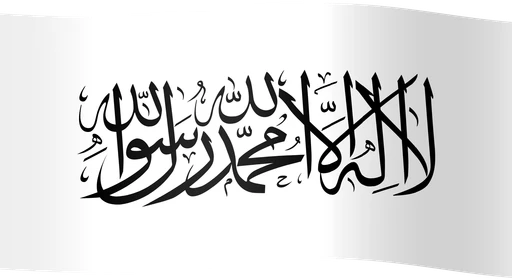
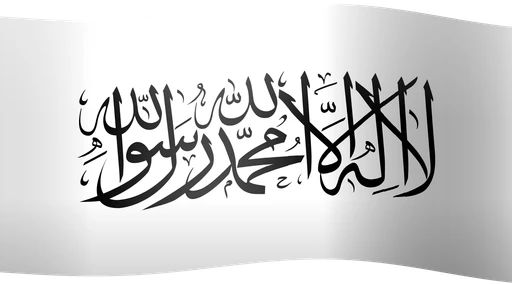
No other country has changed its flag as often as Afghanistan. Since the early twentieth century it has cycled through more than twenty national flags, a visual record of coups, invasions, civil wars, and competing ideas about what the country should be. Which flag counts as the current one depends on whom you ask. The Taliban's white banner flies over Kabul, while the black, red, and green tricolor with the national emblem at its center persists in diaspora communities, resistance movements, and some international forums. Even describing "the" flag of Afghanistan requires qualification, because which flag flies, and who claims it, is still a contested political question inside the country.
The most changed flag on earth
Afghanistan has had more than twenty distinct national flags since 1901, more changes than any other sovereign state in the same period. Every regime change brought a new one: monarchy to republic, Soviet occupation to mujahideen rule, Taliban emirate to US-backed republic and back again. The banner has worked as an unusually precise political barometer, shifting with every upheaval in Afghan governance.
A quick tour through the eras. Habibullah Khan's reign opened the twentieth century under a simple black standard, a color long associated with Afghan rulers. His son Amanullah Khan introduced the first tricolor around 1928, after winning full independence from British control. King Zahir Shah stabilized the now-familiar black-red-green vertical scheme beginning in 1930, and it lasted through decades of relative calm. Daoud Khan's republican coup in 1973 brought a new emblem by 1974. Then came the communist era, when Soviet-aligned governments cycled through several redesigns between 1978 and 1992, each one scrubbing or altering Islamic elements. The mujahideen factions that followed flew competing banners from 1992 to 1996. The Taliban's first rule replaced everything with a plain white flag bearing the shahada in black script. After their ouster in 2001 the Islamic Republic restored the tricolor, formalizing it in the 2004 constitution. In August 2021 the white flag returned to Kabul.
The frequency of these changes is itself the story. It reflects the absence of a stable, continuous central state rather than any interest in modernizing the design. Other countries redesign flags to rebrand. Afghanistan's flags change because the state keeps breaking apart and being reassembled by different hands.
Black, red, and green: colors forged in independence
Of all the elements that have come and gone, the vertical tricolor of black, red, and green has proved the most durable. It appears in the majority of Afghanistan's flags since Amanullah Khan introduced it, and it survived under monarchists, communists, and Islamists alike, which suggests it carries a resonance that outlasts any one ideology.
Each color arrived with its own meaning. Black recalled the period of foreign domination and echoed the plain black standards flown by Afghan rulers for generations. Red stood for blood shed for independence, particularly in the wars against British influence, and also connected to older traditions of royal authority. Green spoke to hope, prosperity, Islam, and agriculture, all of them resonant in a country whose identity is tied to its land and fertile valleys.
The timing of the tricolor's birth matters. King Amanullah introduced it after the 1919 Treaty of Rawalpindi, which gave Afghanistan full sovereignty over its foreign affairs. The flag was an explicit declaration that the country now governed itself. That origin gave the color scheme a legitimacy later regimes found difficult to discard, and even the Soviet-backed governments kept some version of it. Only the Taliban, in both periods of rule, abandoned it completely, which was itself a statement about what kind of state they intended to build.
The emblem at the center: mosque, wheat, and the shahada
At the center of the tricolor sits the national emblem. It has been redesigned repeatedly, but it keeps returning to a few core elements: a mosque with a mihrab and pulpit, sheaves of wheat, and the shahada.
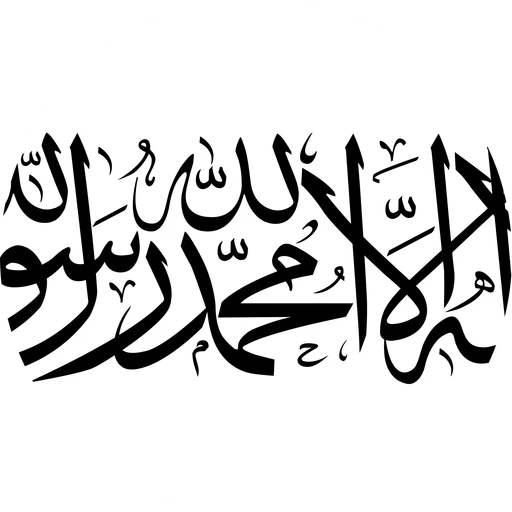
The mosque is the anchor. It usually shows a mehrab, the prayer niche indicating the direction of Mecca, a reminder of Islam's central place in Afghan national identity regardless of which faction holds power. Flanking the mosque, sheaves of wheat stand for agriculture and the river-fed valleys that have supported Afghan life for centuries. Above it all sits the shahada: "There is no god but God, and Muhammad is the messenger of God." It has crowned the emblem in nearly every version since 1919.
One detail that appears often is the year 1298 in the Solar Hijri calendar, corresponding to 1919 CE, the year of independence from British influence.
Different regimes have added or removed elements to suit their politics, which makes the emblem the most reliable way to date any given flag. The communist-era People's Democratic Party replaced the mosque with a red star and an open book, a departure that alienated much of the population. Mujahideen-era versions added crossed swords and adjusted the calligraphy. Read the emblem's details carefully and you can identify which government produced the flag you are looking at, sometimes down to the year.
Two flags, one country: the post-2021 dispute
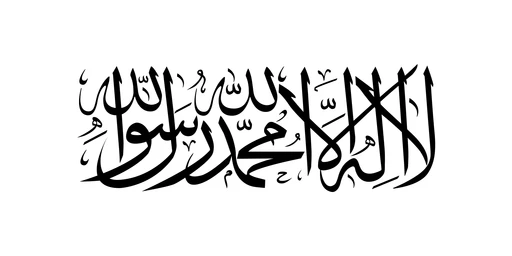
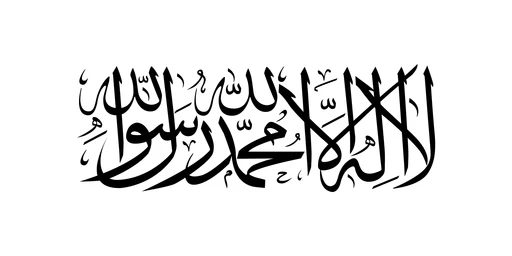
When the Taliban retook Kabul in August 2021, they replaced the tricolor with their white banner bearing the shahada in black script, the same design they had used during their first rule from 1996 to 2001. The swap was immediate and deliberate, a visual claim to total authority.
The tricolor did not disappear. It became a symbol of resistance. Afghan diaspora communities around the world kept flying it. The National Resistance Front in the Panjshir Valley raised it as their standard. Some Afghan embassies abroad, in countries that have not recognized the Taliban government, still display it. The United Nations and many foreign governments have withheld formal recognition, creating an unusual situation where the tricolor appears in certain international contexts while the white flag flies in the capital.
That split mirrors a deeper legitimacy crisis. Which Afghanistan does "the flag of Afghanistan" represent? There is a historical parallel in the mujahideen era of 1992 to 1996, when competing factions flew different banners from different parts of the country. Afghanistan has been here before, divided not only by territory and politics but by the symbol meant to unify it.
Cultural weight: more than cloth
For the Afghan diaspora, one of the world's largest refugee populations, the tricolor carries real emotional weight. It appears at international sporting events, protest marches, weddings, and cultural gatherings as an assertion of identity distinct from Taliban rule. Afghan athletes competing internationally have draped themselves in it, and its colors are everywhere on social media profiles.
Inside Afghanistan, displaying the tricolor has at times been an act of defiance carrying personal risk under Taliban governance. Reports of beatings and arrests for carrying the flag surfaced in the weeks after the 2021 takeover.
Afghan flag imagery also turns up in traditional textiles, in war rugs (a distinctive Afghan art form depicting conflict scenes, woven by hand), and in digital art shared across platforms. Its contested status makes it one of the few national banners that functions as a state symbol and a protest symbol at the same time, depending on who flies it and where.
Comparative context and vexillological notes
The black-red-green palette is shared with very few other national flags, which makes Afghanistan's banner relatively distinctive. Some scholars have drawn connections to pan-Islamic color traditions, where black, green, red, and white each carry religious and historical associations traceable to early Islamic dynasties.
Afghanistan is one of a small number of countries, alongside Saudi Arabia, whose flag prominently features the shahada. That raises specific protocol considerations: like the Saudi flag, the Afghan flag should not touch the ground or be printed on disposable items, out of respect for the sacred text it bears. The vertical tricolor format itself echoes European flag design, reflecting Amanullah Khan's broader modernizing ambitions in the 1920s, when he looked westward for models of statehood.
Among vexillologists, Afghanistan's flag history is the standard example of how political instability shows up in national symbols. No other country's flag archive tells you so much about the fractures within the state.
References
[1] Smith, Whitney. Flags Through the Ages and Across the World. McGraw-Hill, 1975. Comprehensive vexillological reference with historical Afghan flag documentation.
[2] Flags of the World (FOTW), Afghanistan page. fotw.info/flags/af.html. Peer-reviewed online vexillological database maintained by the world's largest flag research community.
[3] Constitution of Afghanistan (2004), Chapter 1, Article 19. Official legal specification of the flag's design and colors.
[4] Barfield, Thomas. Afghanistan: A Cultural and Political History. Princeton University Press, 2010. Political context for regime changes and their symbolic expressions.
[5] Dupree, Louis. Afghanistan. Princeton University Press, 1973. Classic reference on Afghan history and national symbols through the monarchy era.
[6] Crampton, William. The Complete Guide to Flags. Smithmark Publishers, 1992. General flag reference covering Afghan flag evolution.
[7] United Nations Protocol Manual, entries on Afghanistan's flag status and diplomatic usage post-2021.
Common questions
- Why has Afghanistan changed its flag so many times?
- Afghanistan has gone through more than twenty flags since 1901, which is more than any other country. Every time a new regime took power, they brought a new flag with them. Monarchies, republics, Soviet-backed governments, mujahideen factions, the Taliban, they all wanted their own design. It's less about rebranding and more about deep political instability and constant clashes over what the country should be.
- What is the current flag of Afghanistan?
- That depends on who you ask. Since the Taliban retook Kabul in August 2021, their white flag with the shahada in black script has flown over the capital. But the black-red-green tricolor with the national emblem is still used by diaspora communities, resistance movements, many Afghan embassies, and at the UN. Both sides claim theirs is the legitimate one.
- What do the colors black, red, and green represent on the Afghan flag?
- Black recalls the dark past of foreign domination and ties back to older Afghan royal standards. Red honors the blood shed for independence, especially in wars against British influence. Green represents hope, prosperity, Islam, and agriculture. The tricolor first appeared after Afghanistan won full sovereignty from Britain in 1919.
- Why is the Afghan tricolor considered a symbol of resistance?
- When the Taliban replaced it with their white banner in 2021, the black-red-green tricolor took on new meaning. Diaspora communities fly it worldwide, Afghan athletes drape themselves in it, and resistance fighters raise it in opposition to Taliban rule. Displaying it inside Afghanistan has come with real consequences, including reports of beatings and arrests.
- What is the emblem in the center of the Afghan flag?
- It shows a mosque with a mihrab (a prayer niche that points toward Mecca), sheaves of wheat for agriculture, and the shahada (the Islamic declaration of faith). It often includes the year 1298 in the Solar Hijri calendar, which is 1919 CE, marking independence from British control. The emblem's been redesigned many times, so each version basically marks a specific political era.
Featured in these articles
- The Other National Symbol: What Emblems Say That Flags Can't, from Oman's Dagger to North Korea's Dam
- Guilty by Association: How Libya, Saudi Arabia, and Algeria Put Sacred Text on Their Flags, and Why Almost No One Else Dared
- The Lotus, the Angkor, and the Nation: Why Cambodia Put a Building on Its Flag and Never Took It Off
- The Gospel on the Flag: Why the Dominican Republic Put an Open Bible at the Center of Its National Identity
Download this flag
Free in 12 styles, from 32px icons up to 2000px, as SVG, PNG, WebP and JPG.