Introduction
Flags are more than just colorful pieces of fabric. In Africa, they carry the weight of history, culture, and the dreams of peoples striving for freedom. Each color tells a story, reflecting significant narratives that have shaped national identities across the continent. By exploring these hues, we embark on a journey to understand how African flags, beyond their role as symbols of nations, encapsulate the struggles and triumphs of the African people.
The Historical Context of African Flags
The history of African flags is intricately linked to the continent’s fight for independence. During the colonial era, flags often mirrored the emblems of colonial rulers, a reminder of foreign domination and the suppression of native cultures. But the march towards independence in the mid-20th century saw a transformation. New flags emerged as powerful symbols of sovereignty and national pride, representing the dawning of a new era.
In countries like Ghana and Nigeria, the transition from colonial insignias to symbols of national identity became a poignant step in rejecting colonial power and asserting self-determination. Flags became an emblem of these nations' rebirth.
Color Symbolism in African Flags: An Overview
Understanding African flags involves a bit of vexillology, the study of flag symbolism. You'll find common colors like red, green, black, yellow, and blue frequently waving across the continent. Each conveys specific meanings and reflects the cultural, political, and historical contexts.
Take a moment to consider the flags of Algeria, Kenya, and South Africa. Each includes variations of these colors with unique interpretations that capture the spirit and journey of their people.
Red: The Blood of Martyrs and Struggle for Independence
Red is often associated with the bloodshed and sacrifice of those who fought for independence. It symbolizes resilience in the face of adversity. Ethiopia’s flag, for instance, incorporates red as an enduring symbol of sacrifice and courage.
The Flag of Ethiopia
View Flag →Likewise, Ghana’s flag embraces this color, paying tribute to those who stood firm against colonial rule. The use of red thus remains a testament to the unyielding spirit of African nations.
The Flag of Ghana
View Flag →Green: The Rich Land and Hope for the Future
Green frequently represents Africa’s lush landscapes and agricultural bounty. It's a hope for prosperity and growth. In Nigeria’s flag, green reflects the country's agricultural wealth and natural resources.
The Flag of Nigeria
View Flag →Libya also prominently features green, a color deeply entwined with renewal and fertility — a symbol of a fertile land.
The Flag of Libya
View Flag →Black: The Identity of the African People
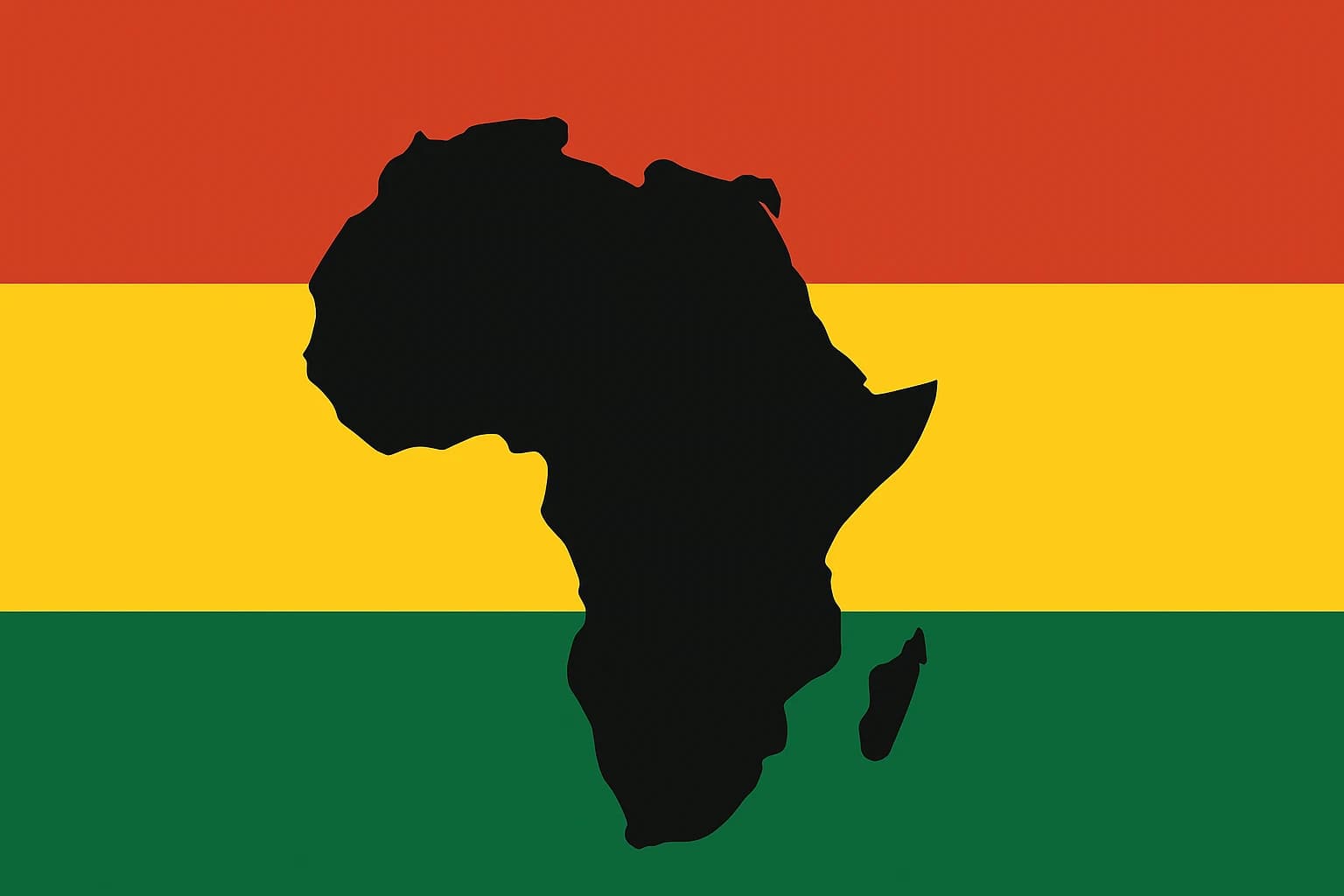
Black stands as a powerful symbol of the African people themselves. It highlights identity and unity, often reflecting solidarity against oppression. The Pan-African flag uniquely marries black with red and green to convey a message of unity and heritage.
The Pan-African Flag
View Flag →Kenya’s flag features black prominently, symbolizing the rich heritage and the grit of the Kenyan people in their pursuit of freedom and equality.
The Flag of Kenya
View Flag →Yellow and Other Colors: Prosperity and Unity
Yellow frequently symbolizes wealth and optimism, representing natural riches like gold. Senegal’s flag incorporates yellow as a tribute to prosperity and harmony.
The Flag of Senegal
View Flag →In Cameroon, yellow shines as a beacon of hope and a commitment to unity and wealth shared among its people.
The Flag of Cameroon
View Flag →Other colors appear in various flags, each with meanings that contribute to the overall narrative of the nation’s identity.
Modern Interpretations and Revisions of Flag Colors
In an evolving world, flags continue to adapt. Recent changes often include colors and symbols that reflect ongoing social and political shifts. South Sudan introduced a new flag after its independence, symbolizing peace, prosperity, and hope.
The Flag of South Sudan
View Flag →Flags in contemporary Africa play crucial roles in nation-building and identity affirmation, conversations that resonate with public sentiment and pride.
Reflections on the Colors of Freedom
The colors in African flags tell stories of resilience, hope, identity, and tradition. Each flag stands not just as a symbol of pride but also as a reminder of past struggles and ongoing aspirations. By digging deeper into their symbolism, we gain insights into the rich tapestries that shaped African nations and their journeys toward freedom and unity.