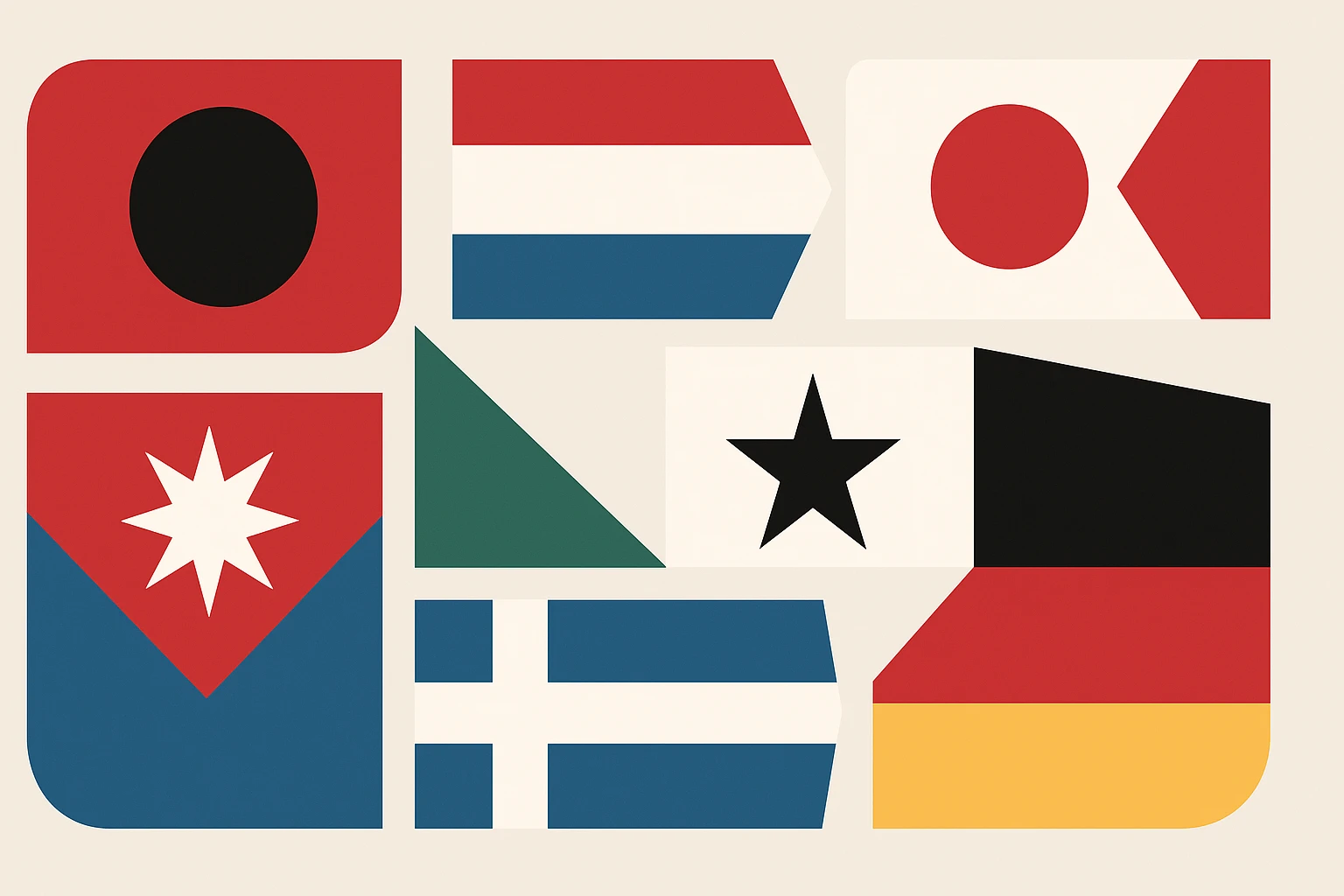
The Flags of Afghanistan, Argentina and Australia, and How They Got That Way
Julio Song · · 2 min read
Vexillology, briefly
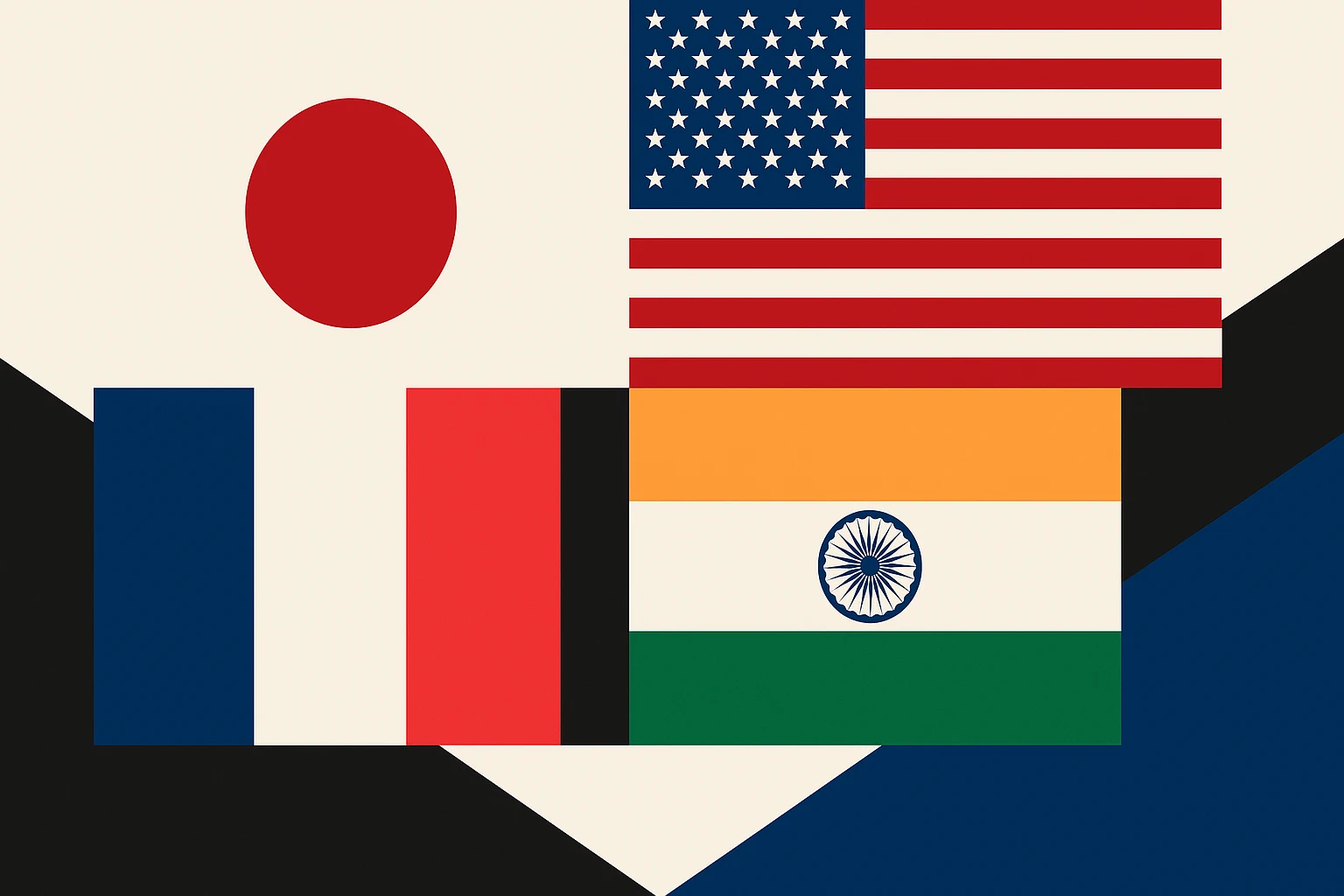
Ever looked at a national flag and wondered about its backstory? That question is the whole of vexillology, the study of flags. It turns out to be less about colors and patterns than about identity, history and unity. Flags mark political boundaries and national pride, and their designs usually carry meanings pulled from historical events and cultural traditions.
The flag of Afghanistan: a story of transformation
Afghanistan's flag has seen more makeovers than a reality TV star. Monarchies, republics, and everything in between: each regime brought its own version.
In the current flag, the black, red and green stand for struggle, bloodshed and prosperity, and the mosque points to the country's cultural heritage. The design carries a lot of Afghan history for one piece of fabric.
The flag of Argentina: colors of revolution and democracy
Argentina's flag came out of revolutionary roots and changed as the country moved from colonial rule to democracy.
The sun and its radiant face stand for the nation's aspirations. The blue and white go back to liberation and national identity. Interpretations are still debated, but the flag remains a beloved emblem of Argentinian identity.
The flag of Australia: heritage and the future
Australia's flag originally mirrored British colonial ties, and it is not without its controversies.
Today it grapples with calls to incorporate indigenous symbols. Past referendums show a nation in flux, and Australians are still arguing about what their flag should represent going forward.
What's the color story?
Red shows up so often because it reads as courage and sacrifice. Blue tends to mean peace and stability. Beyond that, historical and geographical influences do most of the work in conveying a nation's ethos.
What's next for flags?
Flags are adapting to the digital age. Minimalist designs are gaining ground, inspired by sleek modern aesthetics, and globalization is reshaping how flags represent nations. Proposed redesigns reliably cause arguments. Flags might yet take on digital features or shift toward environmentally friendly materials.
Julio Song
Writer
Julio is a staff writer at FlagDB. He studied Mathematics at the University of Madrid and has a passion for vexillology.
More from Julio Song →