Countries change their flags less often than you might expect, and when they do it is rarely about aesthetics. A redesign is usually the visible end of an argument about who the country belongs to. This is a look at a few of those arguments and how they were settled.
What makes a flag work
Vexillology is the study of flags: their history, their symbolism, and how they are used. Most of its practical advice comes down to a few rules. A flag should be simple enough to recognize at a distance. Its colors and symbols should connect to something real about the place. And the palette does a lot of the work on its own, with red for bravery or courage, white for peace, green for growth, blue for justice.
The elements matter less individually than in combination. Stars, crescents, and local plants and animals all show up constantly; what changes is what they are doing next to each other.
Redesigns follow politics
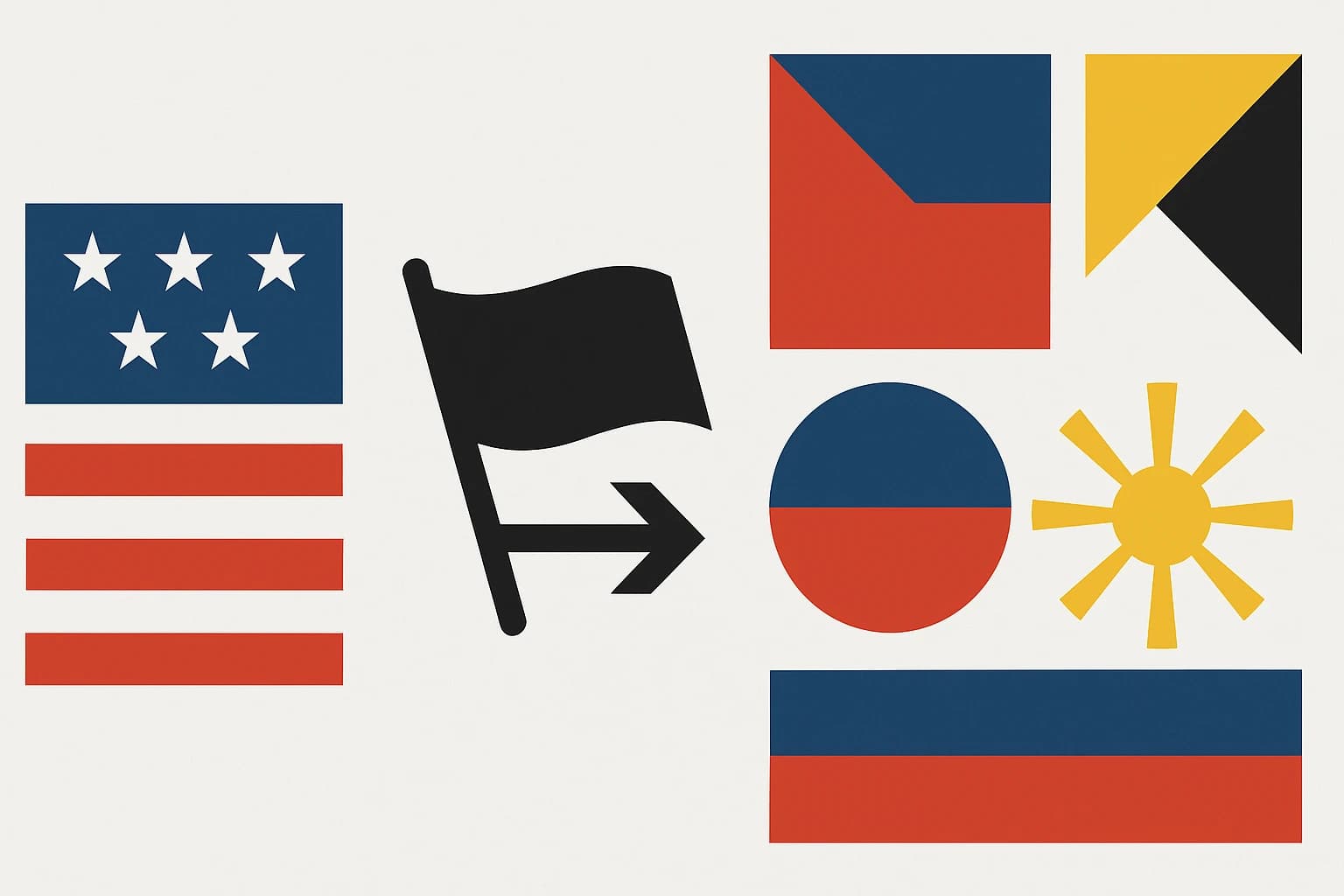
Flags track political change. Revolutions, independence, and unification all tend to produce new cloth, because the old design has become an argument the new government does not want to keep making. Put a Weimar Republic flag next to the German flag of today and you can read the intervening history in the colors.
Four that changed
Germany's black, red, and gold tricolor stands for democracy and freedom.
Canada flew a flag carrying the Union Jack until 1965. The maple leaf that replaced it was a declaration of an identity separate from British colonial ties.
Mississippi held out much longer. In 2020 voters approved a new design and dropped the Confederate imagery the old flag had carried, replacing it with a magnolia flower.
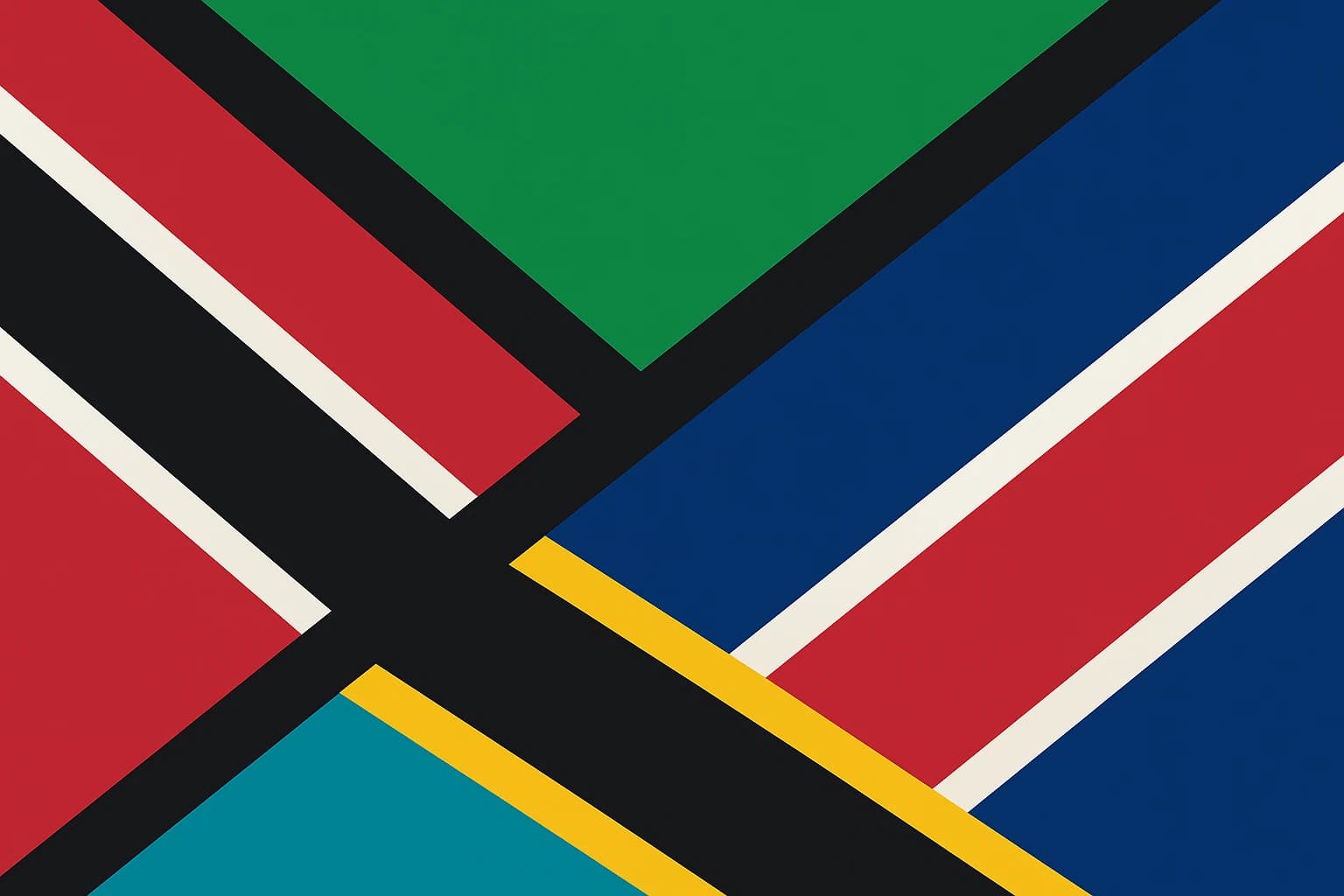
South Africa's 1994 flag arrived with the end of apartheid, built to represent a country that had just changed hands.
How people take it
People notice when a flag changes. Some redesigns are received as a matter of national pride, others start a fight, and public opinion generally decides which. Mississippi's change went to a referendum, so the argument was settled in the open.
That is the awkward thing about flags: they become emotional anchors precisely when a country is least settled, which is also when someone proposes changing them. Even the disagreement has a use, since arguing about a flag forces a country to say out loud what it thinks it stands for.
What might change next
Guessing at future designs is a mug's game, but the pressures are visible. Globalization pulls one way and local identity the other, and there is talk of flags incorporating environmental symbols or digital elements. Whether a national flag could ever be dynamic or interactive, and whether anyone would want to salute something that updates, is a more interesting question than it sounds.