Algeria, Angola and Botswana: Three African Flags, One Overlapping Palette
Julio Song · · 2 min read
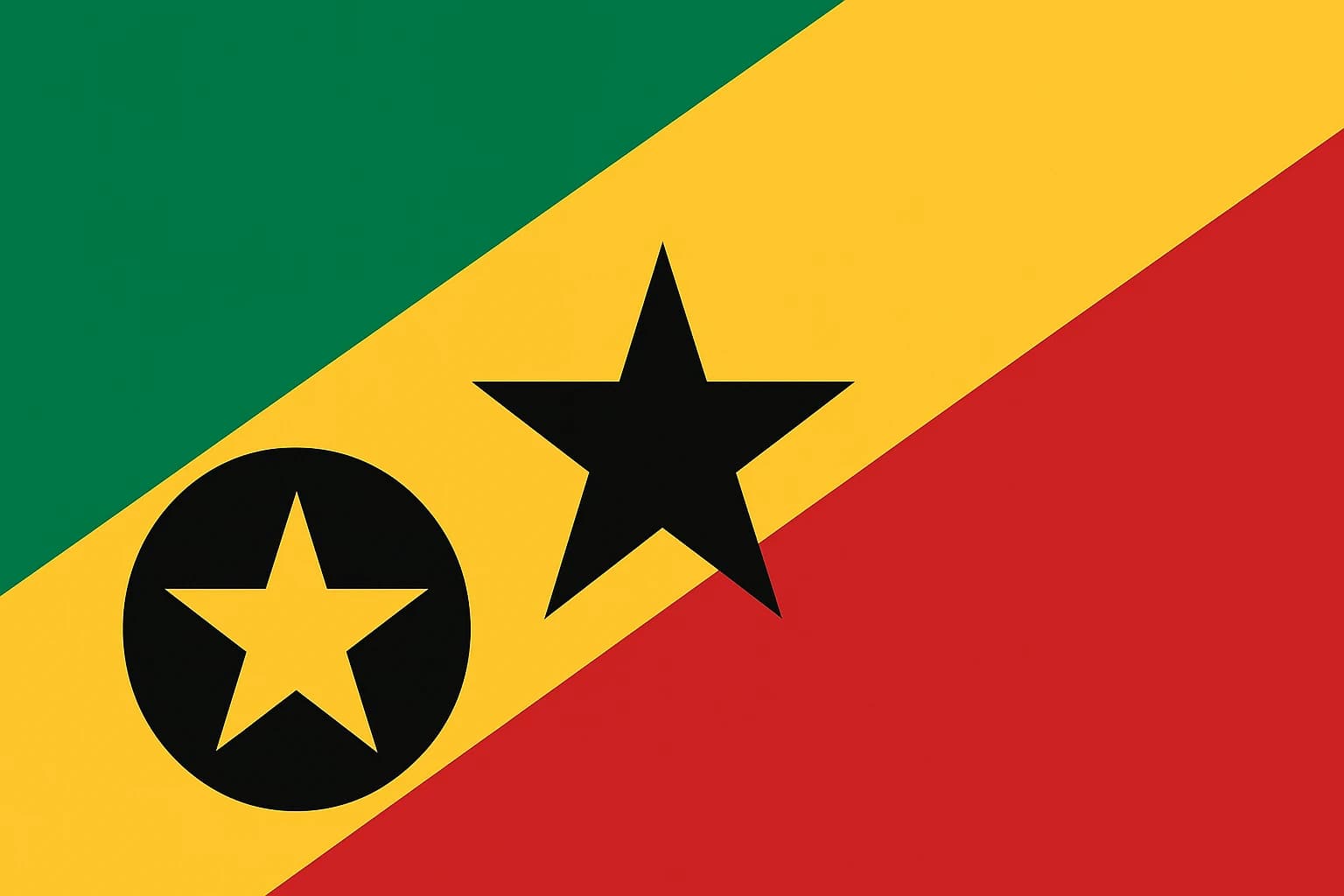
African national flags carry a lot of specific history in a small space. The flags of Algeria, Angola, and Botswana are three good examples, and they arrive at very different answers using an overlapping set of colors.
Vexillology, the study of flags, is worth a few minutes here because the choices are rarely aesthetic. A flag records what a country wanted to say about itself at the moment it became able to say anything at all.
Algeria
Green, white, and red. Green represents Islam, a central part of Algerian identity. White stands for peace. Red honors the blood of the martyrs who fought in Algeria's war for independence.
The crescent and star are not decoration. They mark both Islam and Algerian nationhood.
Angola
Red over black, with a yellow emblem in the center. Red signifies the bloodshed during the struggle for independence. Black is a tribute to the African people. Yellow stands for the country's wealth and resources.
The emblem itself is a machete, a gear, and a star, standing for labor, progress, and optimism about the future.
Botswana
A light blue field crossed by black and white stripes. The light blue stands for water and peace, which in a country that depends on rain is a practical symbol as much as a poetic one. The black and white stripes stand for racial harmony.
Post-colonial identity and democracy are the themes running through it, and the design puts peace and unity ahead of anything else.
Shared themes
Certain patterns repeat across the continent. Green for land and hope, black for the African people, red for the blood of freedom fighters. Most of that traces back to Pan-Africanism, the movement for solidarity among African nations, and to the flags that movement produced.
Within those constraints, individual flags still diverge sharply, which is roughly the point. The shared colors record a shared history of colonization and independence, and the differences record everything else.
Where the flags actually appear
These designs get used at cultural events, national celebrations, and protests, which is where their meaning gets tested. Flag debates in African countries tend to be arguments about identity conducted in public, and they surface whenever a country's sense of itself is being renegotiated.
Julio Song
Writer
Julio is a staff writer at FlagDB. He studied Mathematics at the University of Madrid and has a passion for vexillology.
More from Julio Song →