The Flags of Conflict: Symbolism in Battle-Torn Nations
Julio Song · · 3 min read
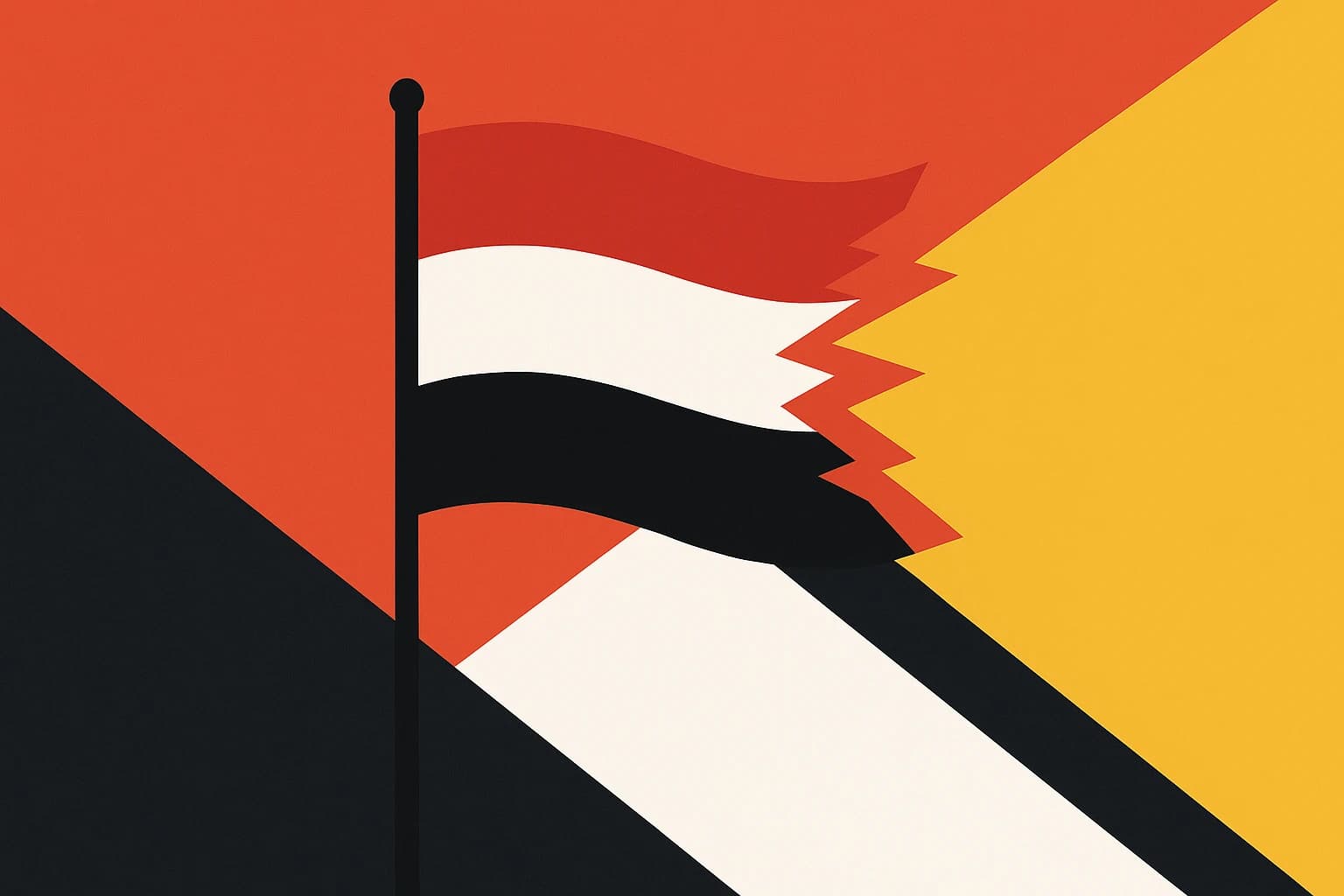
Afghanistan and Ethiopia have both spent long stretches at war, and both have flags that were built to carry that. Reading the symbols is a reasonable way into what each country has been through and what its people wanted next.
How national flags got to be national flags
Modern national flags descend from medieval banners, and the transition took centuries. What they inherited was the function: a single visual claim about who a group is. Vexillology, the study of flags, works out what individual emblems and colors are meant to do. People rally around flags at celebrations and in crises alike, which is why the same design can feel triumphant one year and defiant the next.
Afghanistan
Afghanistan's flag has changed many times, each version attached to a different phase of a turbulent history.
The current design has black, red and green stripes. Black is for the troubled history, red for the blood spilled in independence struggles, green for hope and prosperity. The emblem is a mosque with a mihrab facing Mecca, standing for faith and unity.
Through decades of conflict the flag has functioned as a resistance symbol against foreign invasion and internal fighting, which raises a question the design itself cannot answer: what does a national flag mean to people whose experience of the nation has been mostly war?
Ethiopia
Ethiopia's flag comes out of a much older tradition, also shaped by war.
Its green, yellow and red are the Pan-African colors and stand for peace, hope, and the blood of patriots. The central emblem, a star with rays of light, is meant for the country's diversity and unity. Ethiopia is one of the few African nations never colonized, and the flag makes that point.
It also carries the current strain. Ethiopia has internal ethnic tensions alongside calls for unity under a single national banner, and both readings attach to the same flag.
Elsewhere
Syria and Yemen have flags that carry similar weight.
In both cases the flag signals unity and resistance while the state it represents is in crisis. That is a common pattern: the flag holds the idea of the country together while the country itself is not.
Why flags cut both ways
Flags run hot during conflict. They anchor protests and become rallying points for change, and the same design can unite one part of a population while marking the other as opposition. During civil conflicts especially, the flag is often what the fighting is about.
What comes next
More of this happens online now. Flags circulate as images and profile decorations, which changes what displaying one costs and what it signals. Whether that pushes them toward reconciliation or entrenchment is not clear yet, and it probably varies by country.
Julio Song
Writer
Julio is a staff writer at FlagDB. He studied Mathematics at the University of Madrid and has a passion for vexillology.
More from Julio Song →