What Algeria and Afghanistan Chose to Look Like After Colonial Rule
Julio Song · · 2 min read
A country that has just thrown off colonial rule has to decide what it looks like, and the flag is the first place that decision becomes public. Algeria and Afghanistan both made that decision under pressure, and both flags still carry the marks of it.
Independence shows up in the design
The move from colonial rule to independence usually leaves a trace in the flag. Sometimes it is a rejection of the ruler's colors and heraldry, sometimes it is the adoption of symbols the colonial administration suppressed. Either way the design is doing two jobs at once: refusing what came before, and asserting a cultural identity that predates it.
The flag of Algeria
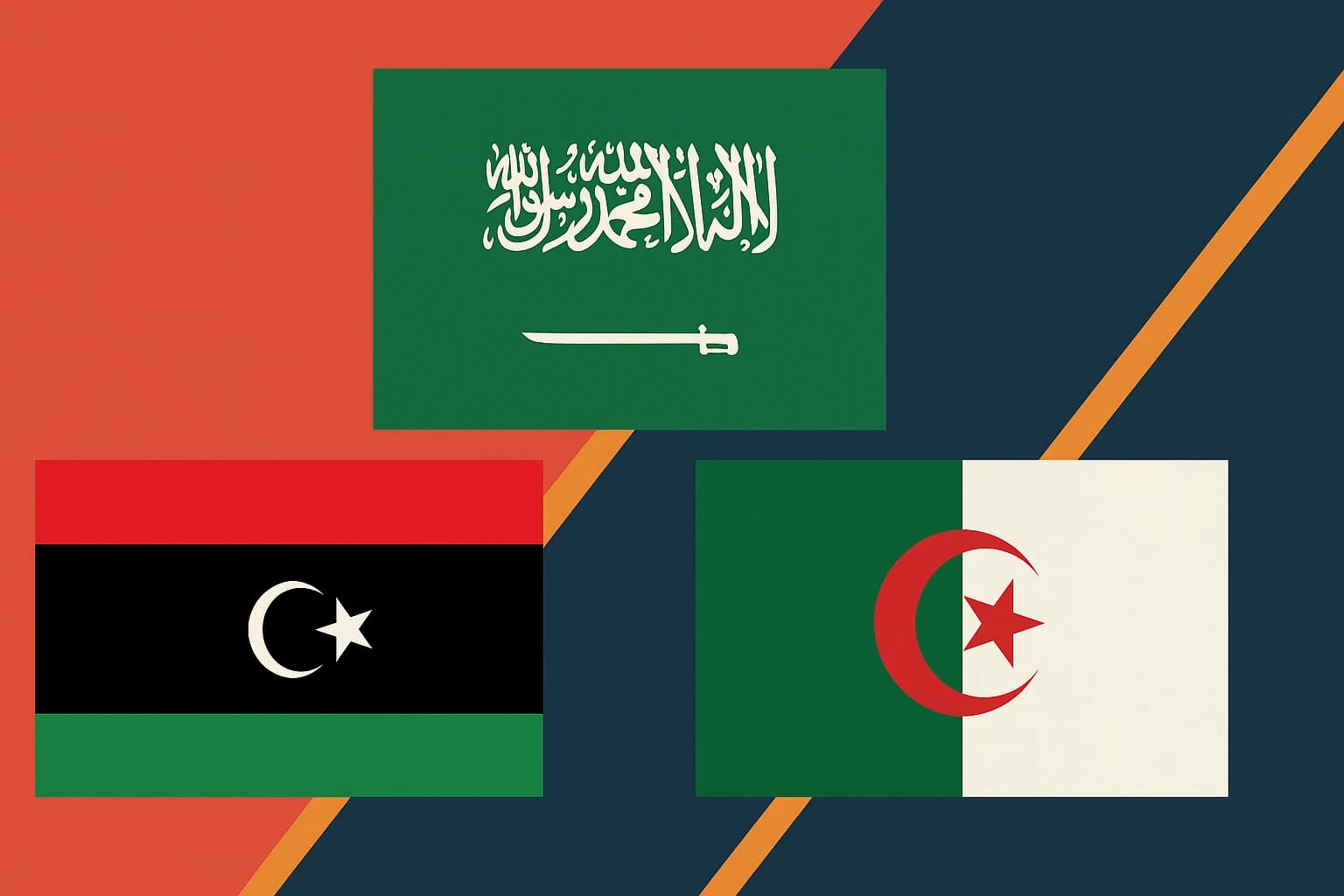
Algeria's flag came out of the fight against colonial rule, and every element on it is assigned a meaning.
Green stands for Islam and white for peace. The red star and crescent stand for sacrifice and for commitment to Islam. It is a flag with no ambiguity in it, which suits the circumstances it was adopted in.
The flag of Afghanistan
Afghanistan's flag reads as a summary of its recent history, with the colors doing the work in sequence.
Black stands for the troubled past, red for the blood that has been shed, green for hope and independence. The order runs from what happened to what is wanted, and the flag has stayed a marker of national unity through continuing conflict.
What post-colonial flags have in common
Traditional symbols and colors turn up repeatedly, drawn from cultures that colonial rule had pushed to the margins. Geometric designs and patterns are common too, carrying both historical reference and an existing artistic tradition. The effect is a flag that points backwards past the colonial period rather than starting the national story at independence.
Flags as diplomatic objects
These flags then go to work internationally, standing in for national values at summits and in international bodies. That is also why redesigns are so fraught. Changing a flag changes the claim a country is making about itself, and other governments read the change.
Julio Song
Writer
Julio is a staff writer at FlagDB. He studied Mathematics at the University of Madrid and has a passion for vexillology.
More from Julio Song →