Micronation Flags: Real Designs from Imaginary Countries
Julio Song · · 4 min read
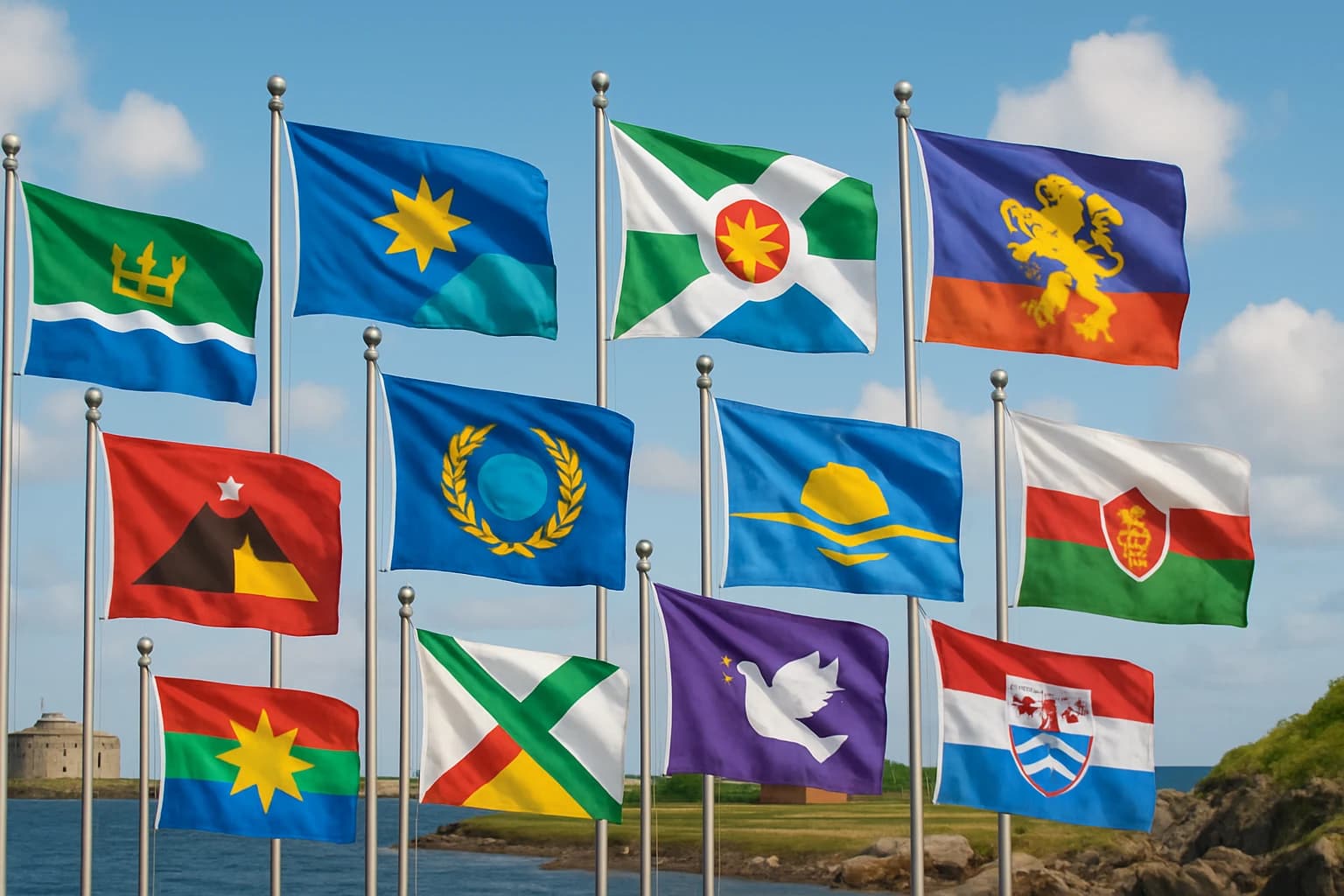
Why imaginary flags matter
Micronations are small sovereign fantasies. Some are just a website; others are an offshore platform. The Principality of Sealand staked its claim in 1967 on an abandoned sea fort, and that steel outpost still flies its flag today.
So why bother? What gives a piece of cloth the power to feel official without a U.N. seat behind it? Some of it is the color combination, some the emblem, some the backstory. On International Vexillology Day (the third Saturday in June), online forums fill up with designs, memes and arguments, which suggests our attachment to flags was never limited to recognized states.
A few of the better known banners
-
Sealand
Diagonal stripes of red, white and black, with a golden trident at the center. Maritime heritage meets DIY sovereignty. Picture it on that rust-scarred deck against a grey North Sea horizon.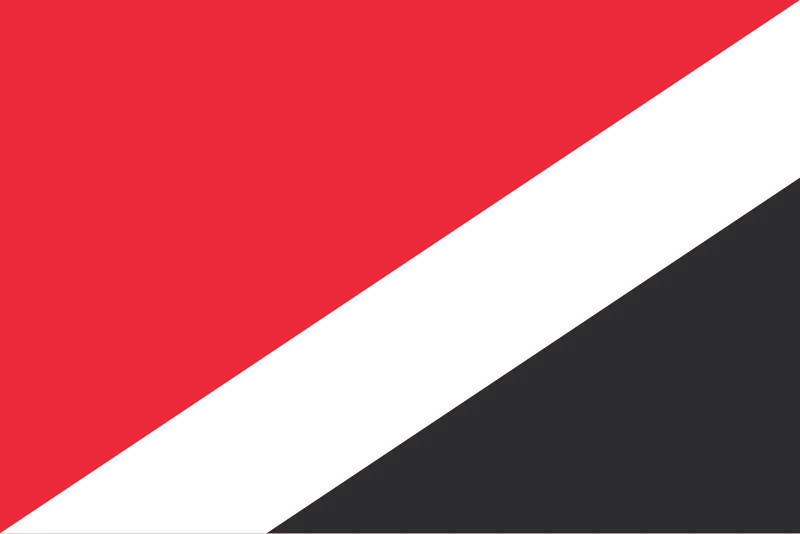
-
Principality of Hutt River
Two heraldic animals flank a Latin motto. It reads like medieval Europe done tongue-in-cheek, with crests and flourishes and more pomp than you would expect from a farm in Western Australia.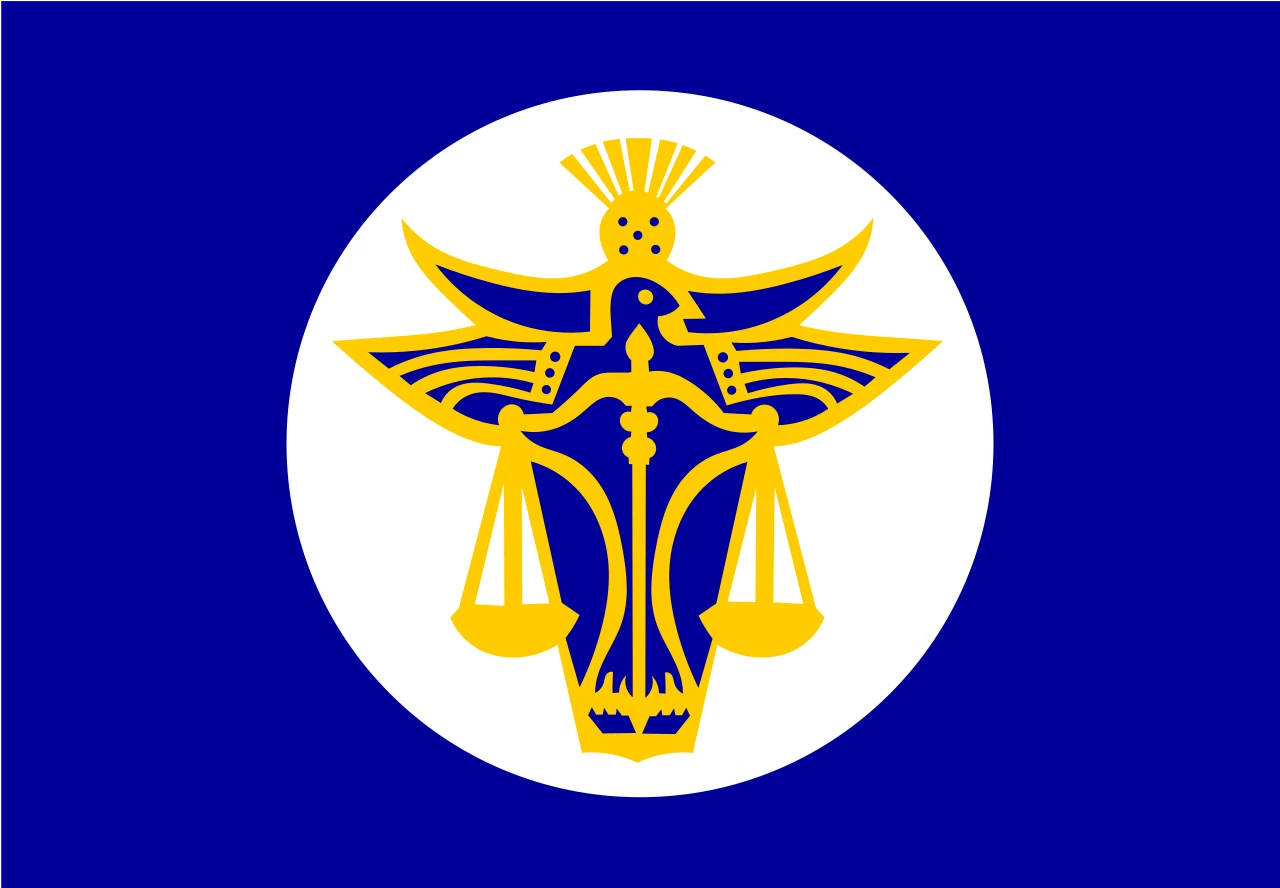
-
Republic of Molossia
A mint-green field with a crescent moon and a small hamster silhouette. Personal mythology at its finest: a local inside joke promoted to national standard.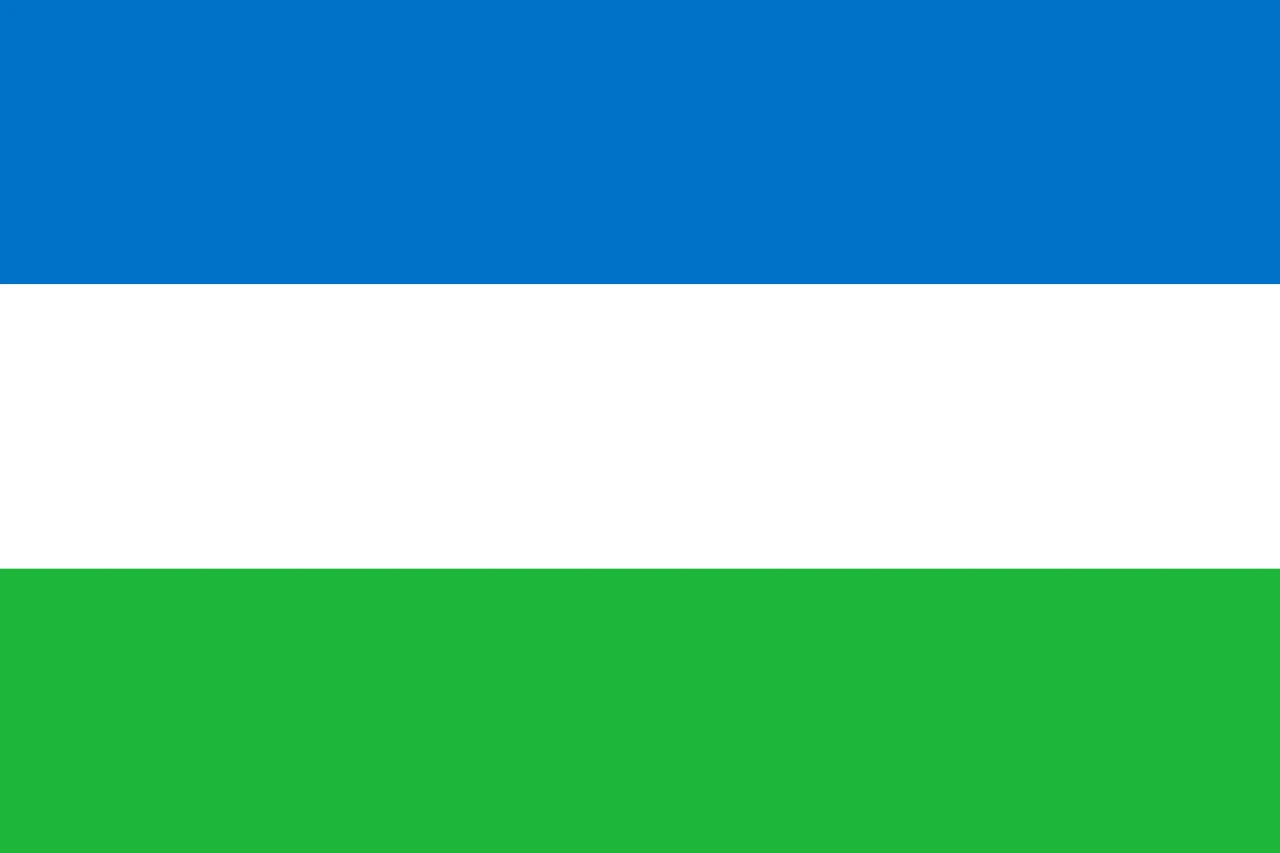
These read less like state banners and more like indie album covers. But underneath the flash, micronation flags borrow from classic symbolism and remix it. For more unusual standards, see Exploring Unusual and Unique Flags of the World.
Decoding the design
At first glance micronation flags break every textbook rule. Look closer and the old principles are still there:
- Simplicity: a child should be able to sketch it in the sand.
- Meaningful symbolism: red for valor, blue for freedom, a creature for heritage.
- A limited palette, two or three colors, so it reads at a glance.
- No text, since words fade where symbols carry across languages.
The rebel banners twist those guidelines. A bold crest sits on an ultra-minimalist field, or the aspect ratio is deliberately odd. Nordic crosses have started appearing on crypto-nation banners born in Discord channels, which raises the question of why a simple cross feels authoritative even when the country doesn't exist. It probably reads as history and stability by association.
Color does similar work. Neon lime and electric magenta pop on an Instagram feed because centuries of heraldry trained our eyes to notice high-contrast fields. Fringe flags borrow from the past and then overclock it.
What you can steal from the fringe
There is something here for anyone designing a logo, an event banner or their own micronation flag.
- Build a backstory. Give the design a founding myth, a motto, some local stamps of approval. Narratives stick.
- Experiment with materials. Weatherproof vinyl for a floating fort state, glow-in-the-dark ink for midnight ceremonies.
- Merge the flag with merchandise. At summer micronation festivals, flags become tote bags, enamel pins and short-run T-shirts.
- Look sideways. Indie video-game UI skins, NFT art drops and streetwear collabs all throw off usable motifs.
If someone can host an Arctic micronation on drifting ice, there is nothing stopping you from claiming a backyard patio.
Making your own
- Define your identity
Write down values, local lore and mood. Is your nation daring or serene? Red shouts courage, teal suggests calm, charcoal hints at mystery. - Sketch and iterate
Open Inkscape, Affinity Designer or a free online mockup tool. The napkin doodle counts. Draw, step away, revisit, repeat. - Test for scale and readability
Print tiny stickers. Drape a tea towel. Step back ten feet. Does it still read? Adjust line thickness and contrast. - Choose production options
- Print-on-demand through a service like Spoonflower, or a local banner shop.
- DIY with stencils and textile paints, which works well for summer solstice unveilings.
One practical tip: add a contrasting outline around your symbols. They hold up on grey days and in low winter light.
When imaginary meets real
Micronations run on creativity, but the play sometimes collides with reality. Territorial claims can bump into freedom-of-expression laws, and a cheeky design can attract legal letters. For a longer look at real flag disputes, see Flag Controversies, Debates and Changes Over the Years.
A flag is only as strong as the story behind it. It flies because someone believed in it enough to raise it.
Julio Song
Writer
Julio is a staff writer at FlagDB. He studied Mathematics at the University of Madrid and has a passion for vexillology.
More from Julio Song →