A state that most of the world declines to recognize still needs a flag, and arguably needs one more than a recognized state does. Where there is no seat at the UN and no widely accepted passport, the flag ends up carrying the claim on its own.
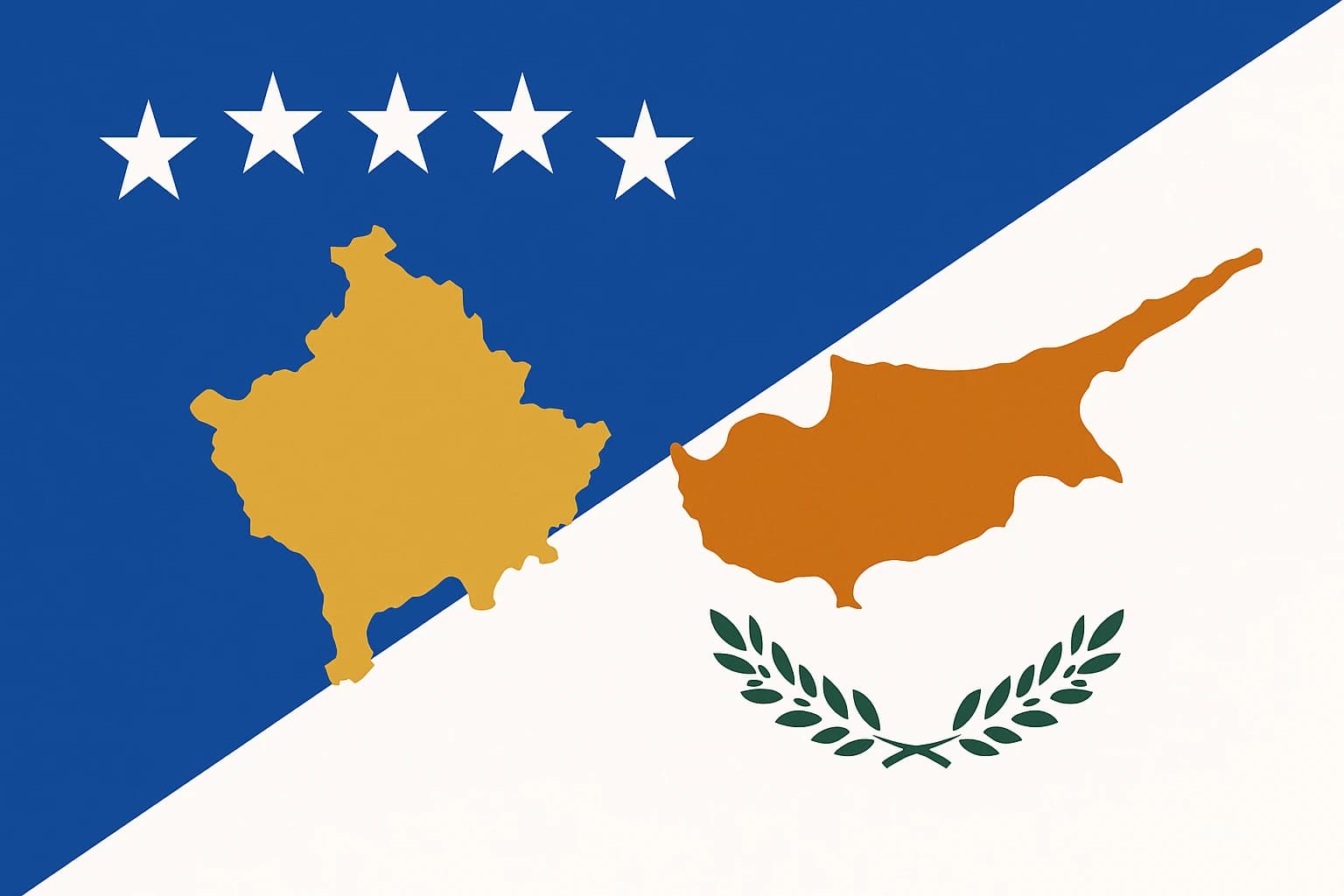
An unrecognized state is a territory that asserts independence without broad acknowledgment of it. Some are recognized by a handful of governments, some by none at all. Taiwan, Somaliland and Kosovo each sit at a different point on that scale, and each case forces the same awkward question about who gets to decide when a country exists.
Why the flag matters more here
For a recognized state, the flag is one item in a large kit of sovereignty: currency, embassies, membership of international bodies. Strip most of that away and the flag is what remains. It can be flown, printed, worn and photographed without anyone's permission, and it is legible to outsiders who could not name a single politician from the territory in question.
Taiwan
Taiwan's political status is contested, and its flag is caught up in the argument.
The red, white and blue design travels with the dispute into every venue where the question of Taiwan's status comes up, which means it is something to be negotiated over rather than simply flown. At home it is just the flag, used by people who are not waiting for a vote elsewhere to tell them what their country is called.
Somaliland
Somaliland has been pursuing recognition for a long time without securing it.
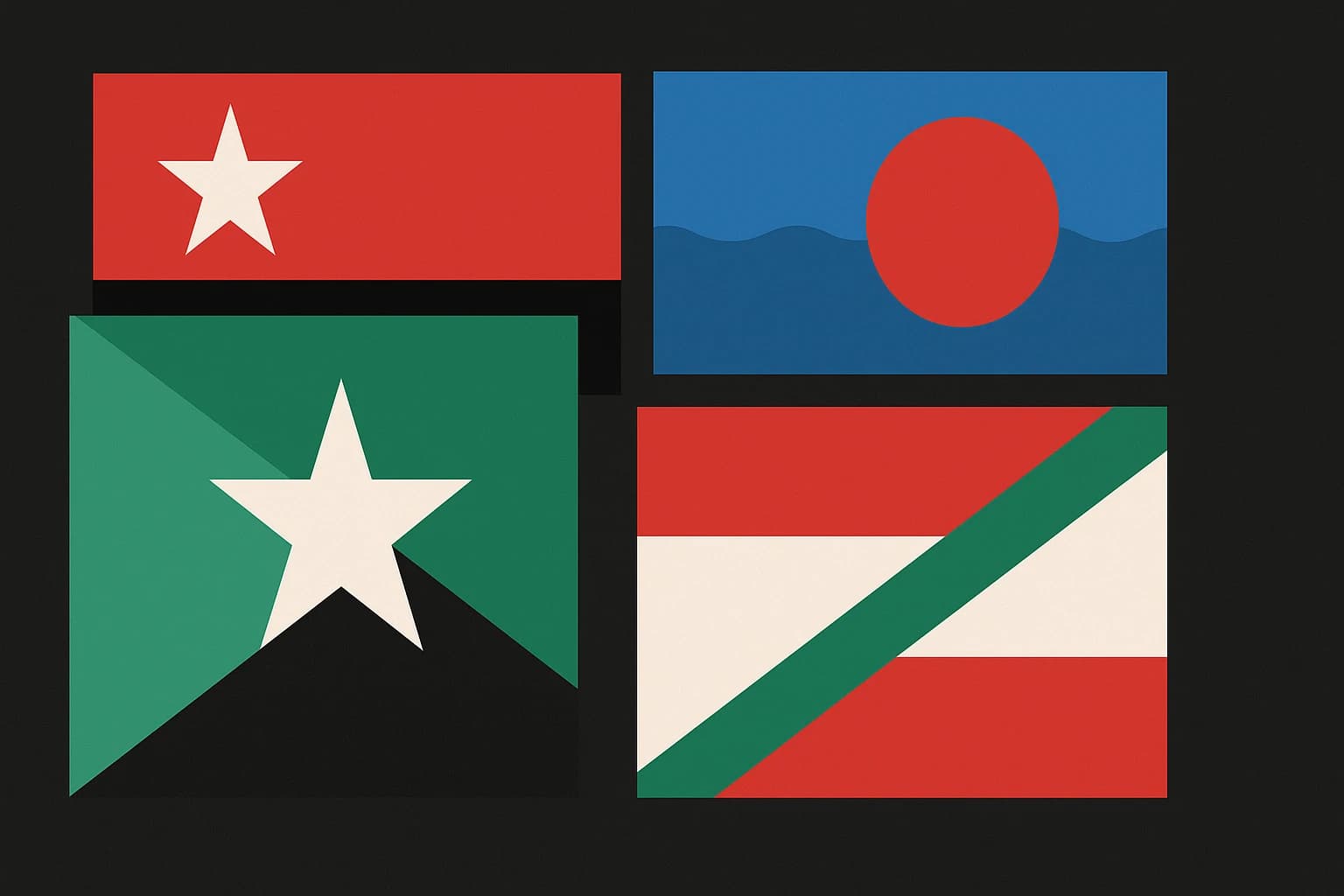
Its flag has green, white and red bars with a black star, read locally as peace, prosperity and hope. But the design is as much about difference as about symbolism: it is not the flag of the Somali Republic. For Somalilanders that distinction does a lot of work, and it does it every day, whether or not recognition ever arrives.
Western Sahara and Abkhazia
Other contested territories have gone the same route.
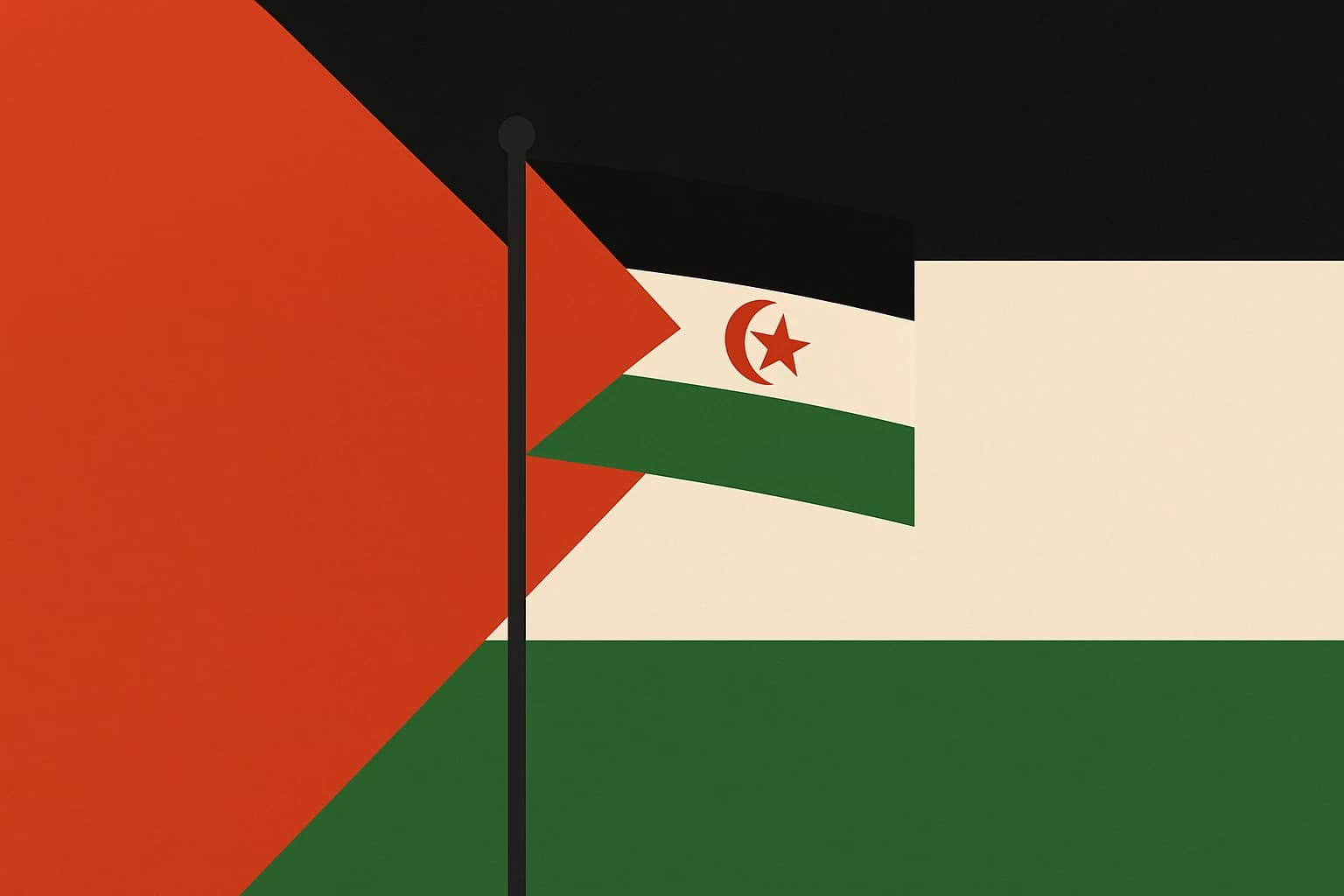
These flags face two directions at once. Inside the territory they hold a population together around a claim that has not been settled. Outside it they are the shorthand by which the claim gets recognized at all, on a protest banner or in a news photograph, long before any government makes a decision.
The politics of a piece of cloth
Flags of this kind sit awkwardly in diplomacy. Displaying one at an official event is a statement; refusing to display it is also a statement. Their meaning shifts as the politics shift, which is why negotiations over unrecognized states so often stall on questions of protocol rather than substance.
Whether these places are called states or, as some prefer, "non-states," a great many people live in them under those flags.