Flags get designed under specific circumstances, and a surprising number of them were designed during or immediately after a war. Afghanistan and Algeria both have flags that carry that origin openly.
Why flags matter in wartime
Nothing about a flag's colors or emblems is arbitrary. They are picked to stand for a country, and armies have carried them into battle as markers of unity and endurance for as long as there have been armies. The choices are cultural as much as military, which is why red so often means bravery and so rarely means anything else.
Afghanistan
Black, red and green stripes with a central emblem. Black is for the troubled past, red for the blood spilled fighting for freedom, green for hope and prosperity. The flag has changed repeatedly over the years, tracking the regimes and conflicts that produced each version, so the design is less a fixed symbol than a running record.
Algeria
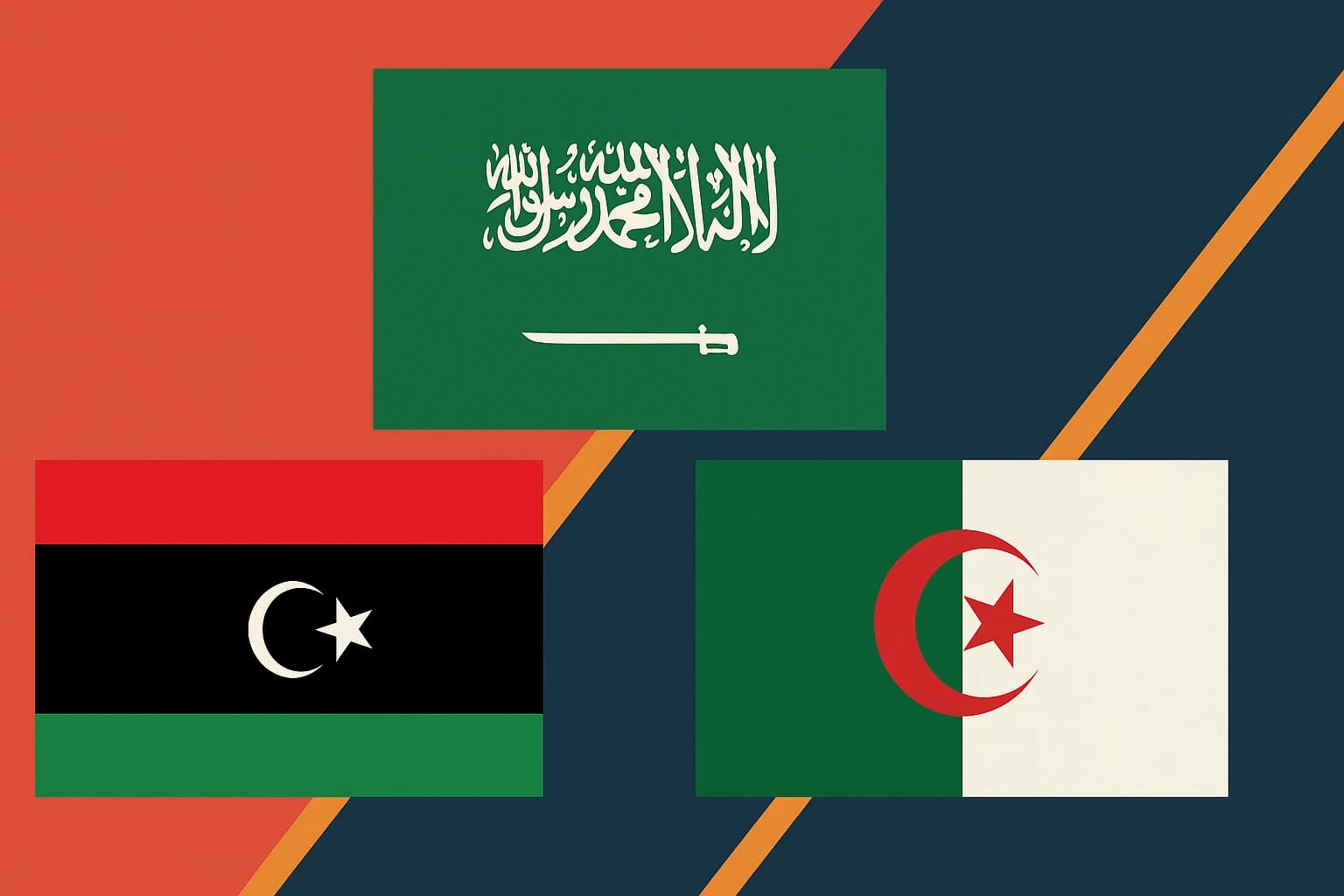
Two vertical bars, green and white, with a red crescent and star. The crescent and star stand for Islam and the red for the blood of martyrs. The design came out of Algeria's move from French colonial rule to independence.
What flags do after the fighting stops
A flag can unite a country and expose its divisions with the same piece of cloth. In wartime it rallies people, and in the aftermath it tends to show exactly where the fault lines run. Vietnam's flag carries a comparable history of struggle.
Post-conflict, flags often get repurposed. Countries redesign them to mark a fresh start, and flags have been part of peace processes, where they carry whatever hope of reconciliation is going.
Vexillology
Vexillology is the study of flags, and it exists because these questions do not answer themselves. There is an active community working through the histories encoded in flag design, and reading a flag properly usually means reading the war it came out of.